Stories of romance have always held a special place in human life. We find them in music, films, novels, and real-life stories of two people who support and strengthen one another. Yet, relationships built on mutual benefit also take place far from human sight – beneath the surface of the soil.
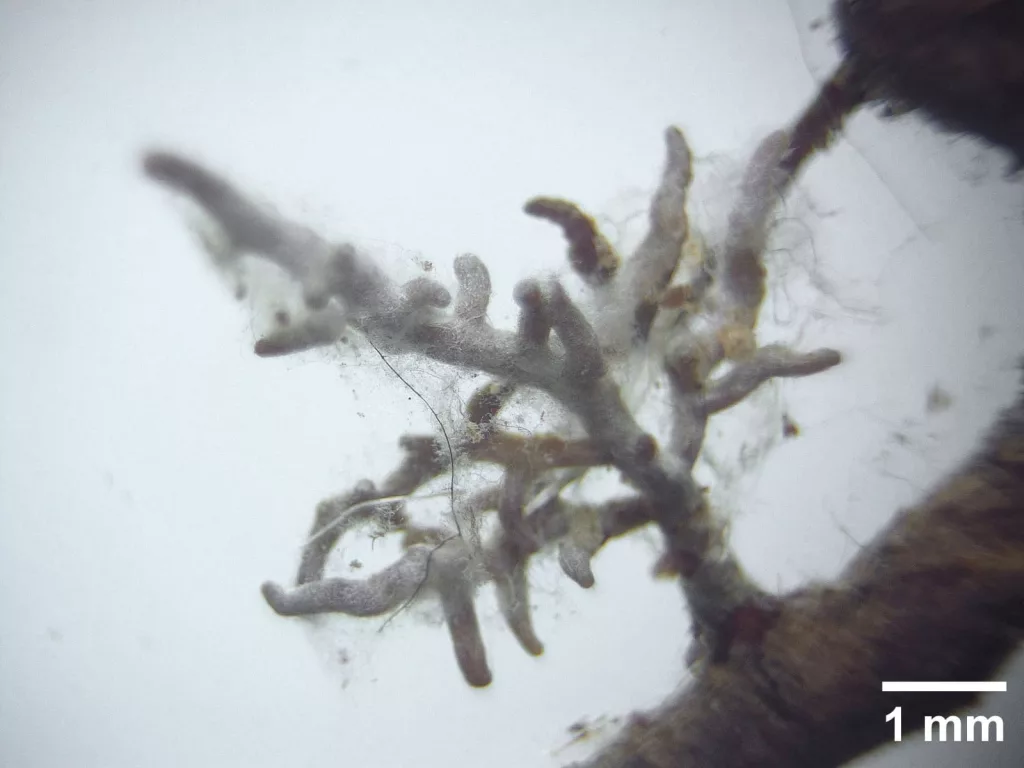
In the darkness underground, plant roots and fungi form a remarkable relationship. They recognise one another, communicate, and exchange resources. This relationship is known as mycorrhiza, a symbiotic association between fungi and plant roots that benefits both partners.
It Begins with a Signal
Plant roots play an important role in absorbing water and nutrients from the soil. However, roots cannot always reach all the resources available around them. The soil is also home to a wide range of organisms, including bacteria, fungi, protozoa, and other microorganisms.
Plants therefore have their own way of finding the right “partner”.
When plants need the assistance of mycorrhizal fungi, their roots release chemical compounds known as strigolactones. These compounds act as signals that can be detected by arbuscular mycorrhizal fungi around the roots.
The signal then triggers a response from the fungi. They produce compounds known as Myc factors, which help facilitate recognition between the fungi and the plant.
This exchange of signals marks the beginning of a closer relationship. It is almost like a silent conversation, conducted through a chemical language understood only by organisms living in the soil.
When Roots and Fungi Work Together
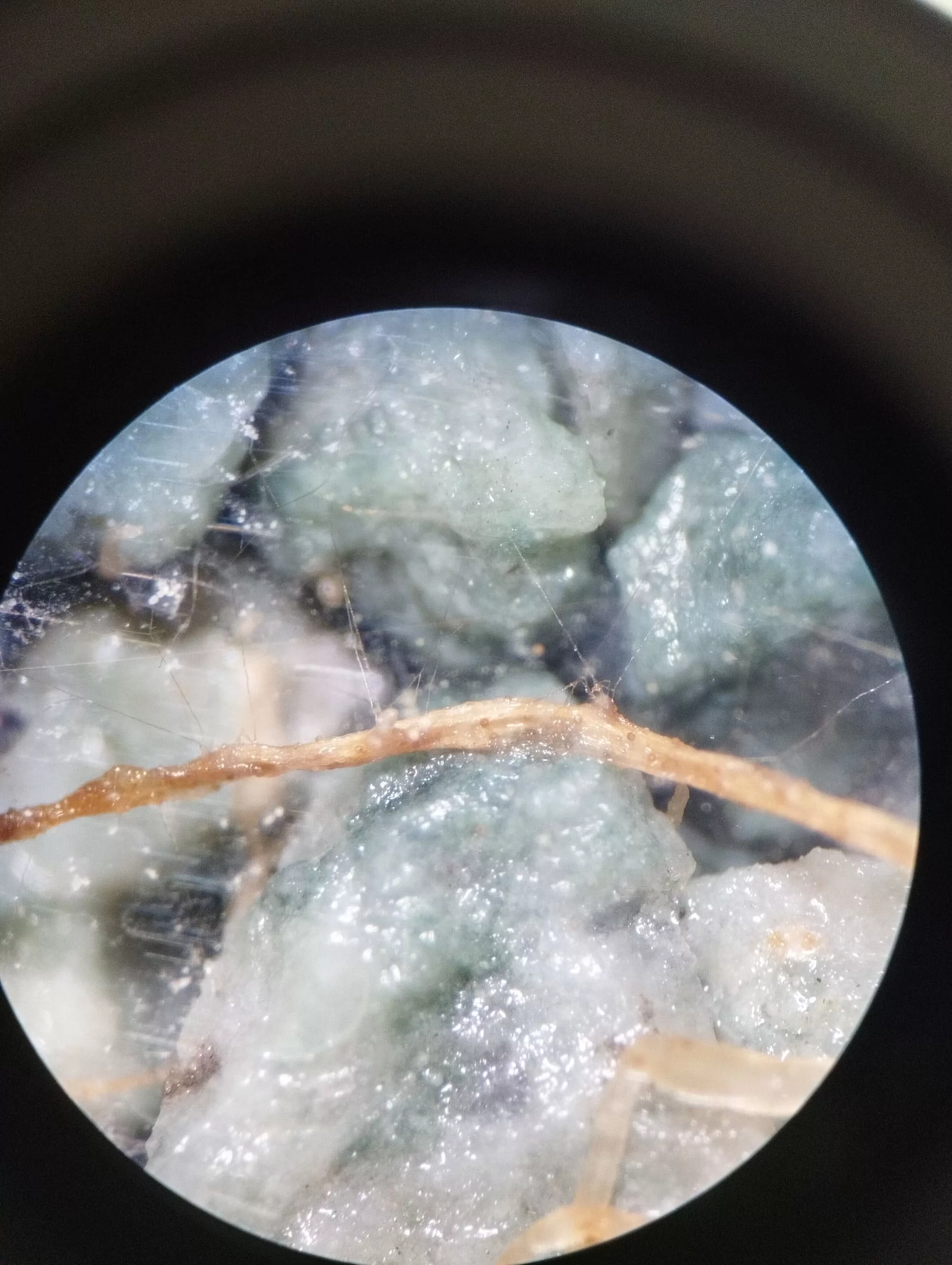
Once recognition has taken place, the fungi begin to move towards the plant roots. They form fine, thread-like structures called hyphae. These hyphae grow towards the roots and enter the root tissue through a process that allows the association to form without damaging the plant cells.
Inside the root cells, the hyphae form highly branched structures called arbuscules. These structures serve as one of the main sites where the exchange of resources between the plant and fungi takes place.
Fungi have an extensive network of fine hyphae that can reach areas of soil that are difficult for roots to access. Through this network, fungi help plants obtain water and nutrients, particularly phosphorus.In return, the plant provides the fungi with a portion of the products of photosynthesis.
Photosynthesis is the process by which plants use sunlight, water, and carbon dioxide to produce organic compounds that provide energy for growth. Some of these products are then allocated to the fungi, which help the plant obtain resources from the soil.
In other words, both partners provide what the other needs. The plant supplies carbon, while the fungi extend the plant’s ability to access resources in the soil.
A Small Conversation with a Big Impact
The relationship between plants and fungi does not end with the exchange of resources. Mycorrhiza also plays an important role in ecosystems, including supporting nutrient uptake by plants and contributing to the movement of carbon through the soil.
Plants absorb carbon dioxide (CO₂) from the atmosphere through photosynthesis. This carbon then becomes part of the organic compounds used by plants for growth. Some of it is also allocated to the roots and organisms associated with them, including mycorrhizal fungi.
This shows that soil is more than simply a place where plants anchor their roots. It is a living ecosystem where countless organisms interact and influence one another.
Beneath the seemingly quiet surface, a network of life is constantly at work. Roots send signals, fungi respond, hyphae explore, and nutrients and carbon move from one organism to another.
If human relationships are built through communication, trust, and mutual support, nature has its own language. Plants and fungi communicate through chemical signals and the exchange of resources.
Romance beneath the soil can be found in a simple relationship of recognising, giving, and strengthening one another.
From this hidden partnership, plants are able to grow and ecosystems can continue to thrive.