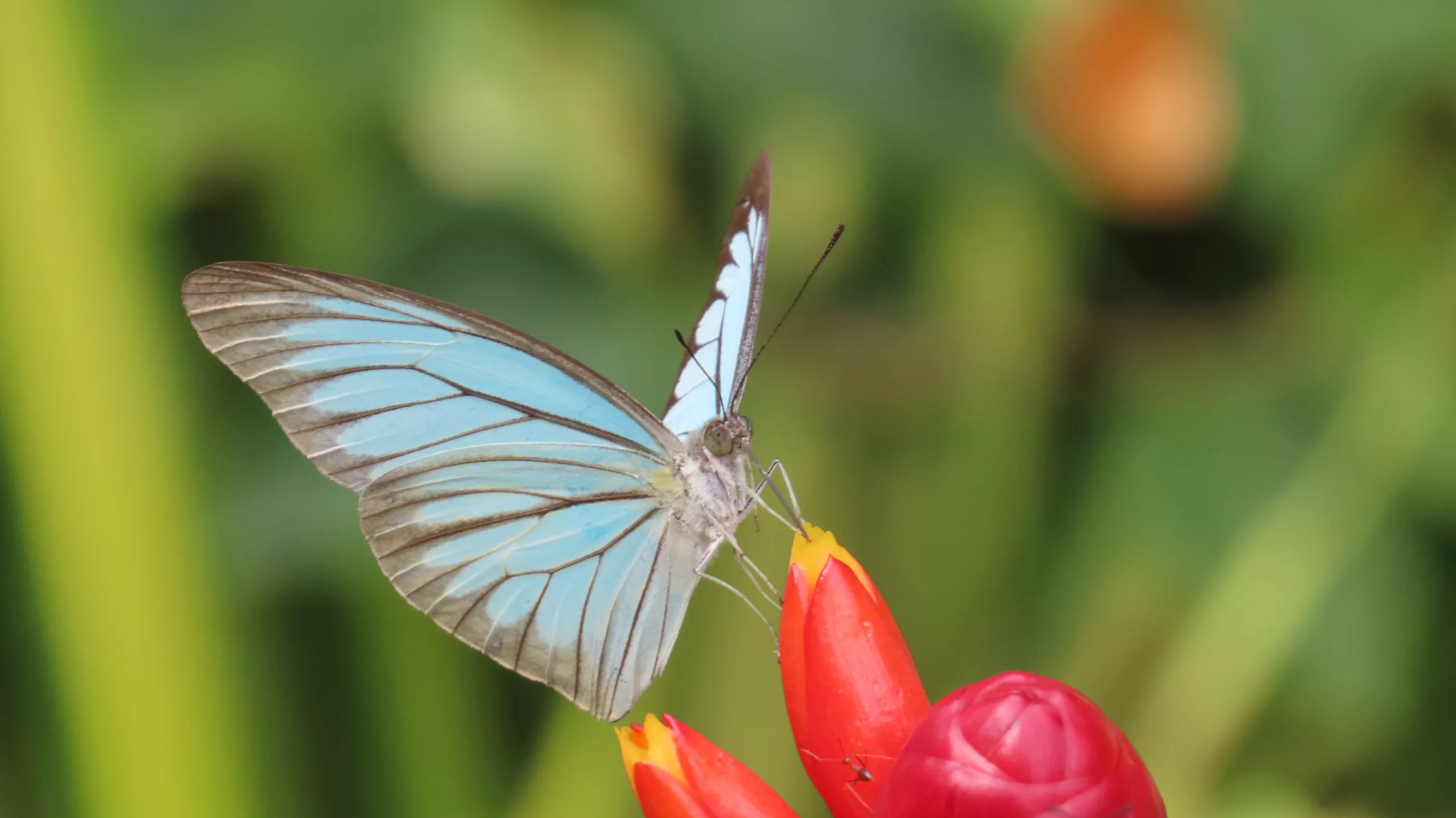
Insects play an important role in maintaining the balance of forest ecosystems. In addition to being part of the food chain, they contribute to plant pollination and the decomposition of organic matter. Their diversity and presence can also provide an indication of environmental conditions and overall ecosystem health.
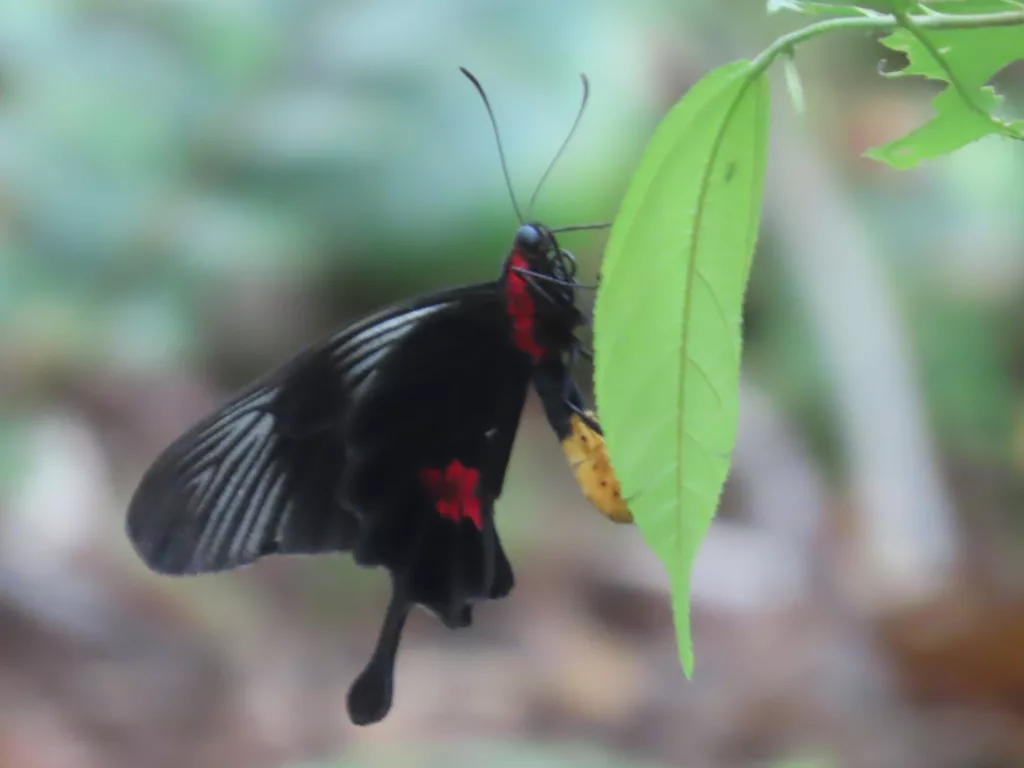
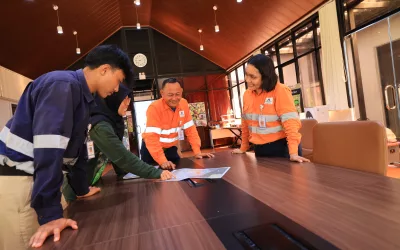
To monitor biodiversity trends, Agincourt Resources, through its Biodiversity team within the BESD Department, conducts regular wildlife monitoring in the Aek Pahu Conservation Area, which forms part of the preservation area of the Martabe Gold Mine. Monitoring is carried out monthly, covering various wildlife groups, including insects, through direct field observations.
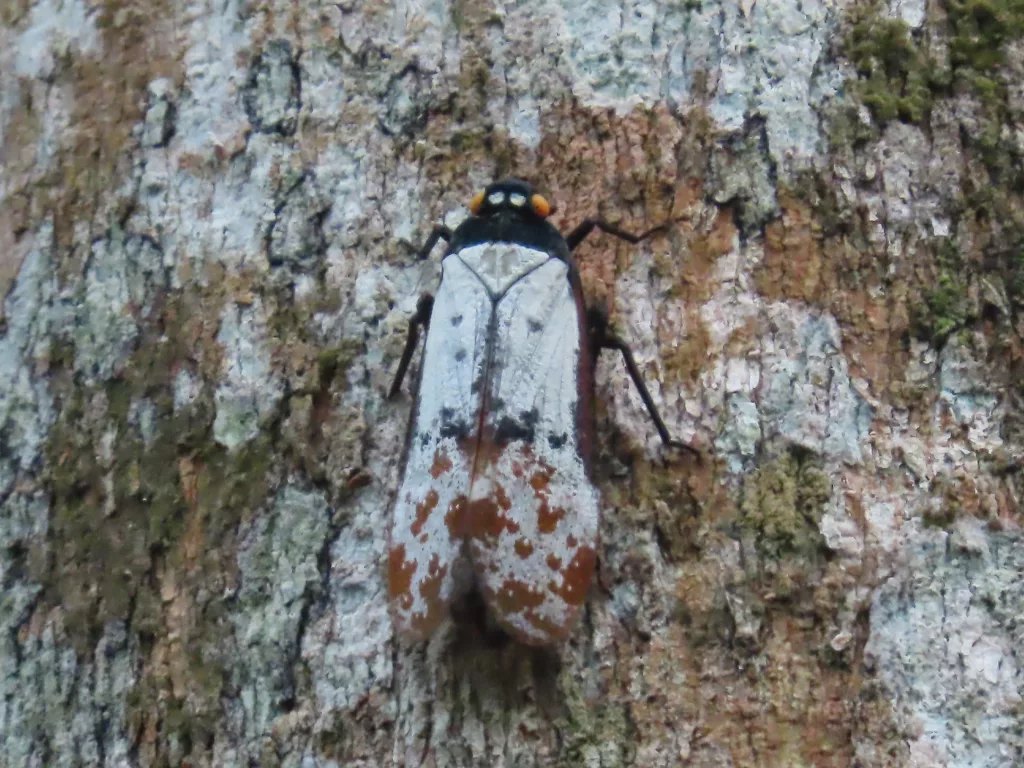
From May 2025 to October 2026, the team identified 247 insect species, comprising 165 lepidopteran species (butterflies and moths) and 82 non-lepidopteran species, including dragonflies, beetles, grasshoppers, crickets and flies. Observations were conducted using the visual encounter method, which involves surveying predetermined transect routes and monitoring plots (*grids*).
Monitoring results show an increase in the number of identified species in 2026 compared with 2025. Among lepidopterans, the number of species increased from 101 to 123, while non-lepidopteran species rose from 49 to 58. Monitoring records also show that lepidopteran encounters totalled 196 in 2025 and 320 in 2026. Meanwhile, non-lepidopteran encounters increased from 101 in 2025 to 143 in 2026.
The increase in recorded species is consistent with improvements in forest conditions, supported by planting activities, conservation efforts and forest monitoring to prevent illegal activities. Nevertheless, insect populations fluctuate throughout the year. Among lepidopterans, the highest numbers of species and encounters in 2026 were recorded in February and April, while the lowest figures occurred in August. In contrast, non-lepidopterans reached their highest numbers of species and encounters in September 2026.
These fluctuations indicate that insect populations are influenced by changing environmental conditions. For lepidopterans, the availability of flowering and fruit-bearing plants is one of the factors associated with the number of species and encounters recorded. However, variations in patterns across certain months suggest that other environmental factors may also play a role. Meanwhile, fluctuations among non-lepidopterans are also thought to be influenced by factors such as rainfall and temperature.
Insects contribute to various ecological functions, including plant pollination, the decomposition of organic matter and the recycling of soil nutrients. They also serve as a food source for birds, reptiles, amphibians and small mammals. Certain insect species are particularly sensitive to changes in temperature and humidity, meaning that shifts in their presence can provide early indications of changes in environmental conditions.
For Agincourt Resources, these monitoring results provide an important basis for supporting conservation policy decisions, understanding the condition of preservation areas and identifying locations that should be prioritised for restoration efforts. Year-on-year trends in insect diversity also serve as a means of evaluating the progress of conservation programmes, including planting, preservation and forest monitoring activities.
Through ongoing biodiversity monitoring, Agincourt Resources continues to strengthen its environmental management and conservation efforts around the Martabe Gold Mine. The data collected contribute to a better understanding of ecosystem dynamics and support the long-term sustainability of conservation programmes.