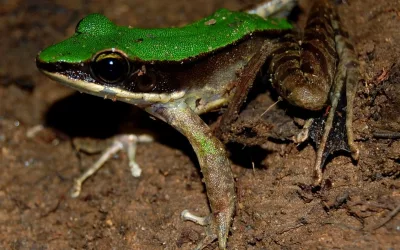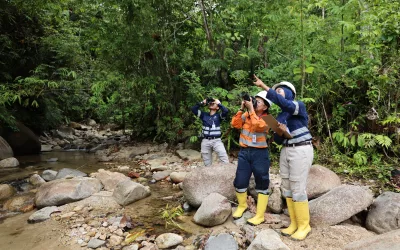
Mining areas are often located in regions rich in biodiversity. On one hand, mining activities support development and economic growth. On the other hand, such activities may affect surrounding ecosystems. Therefore, biodiversity monitoring is a crucial step in ensuring that operations are carried out in harmony with environmental conservation efforts.
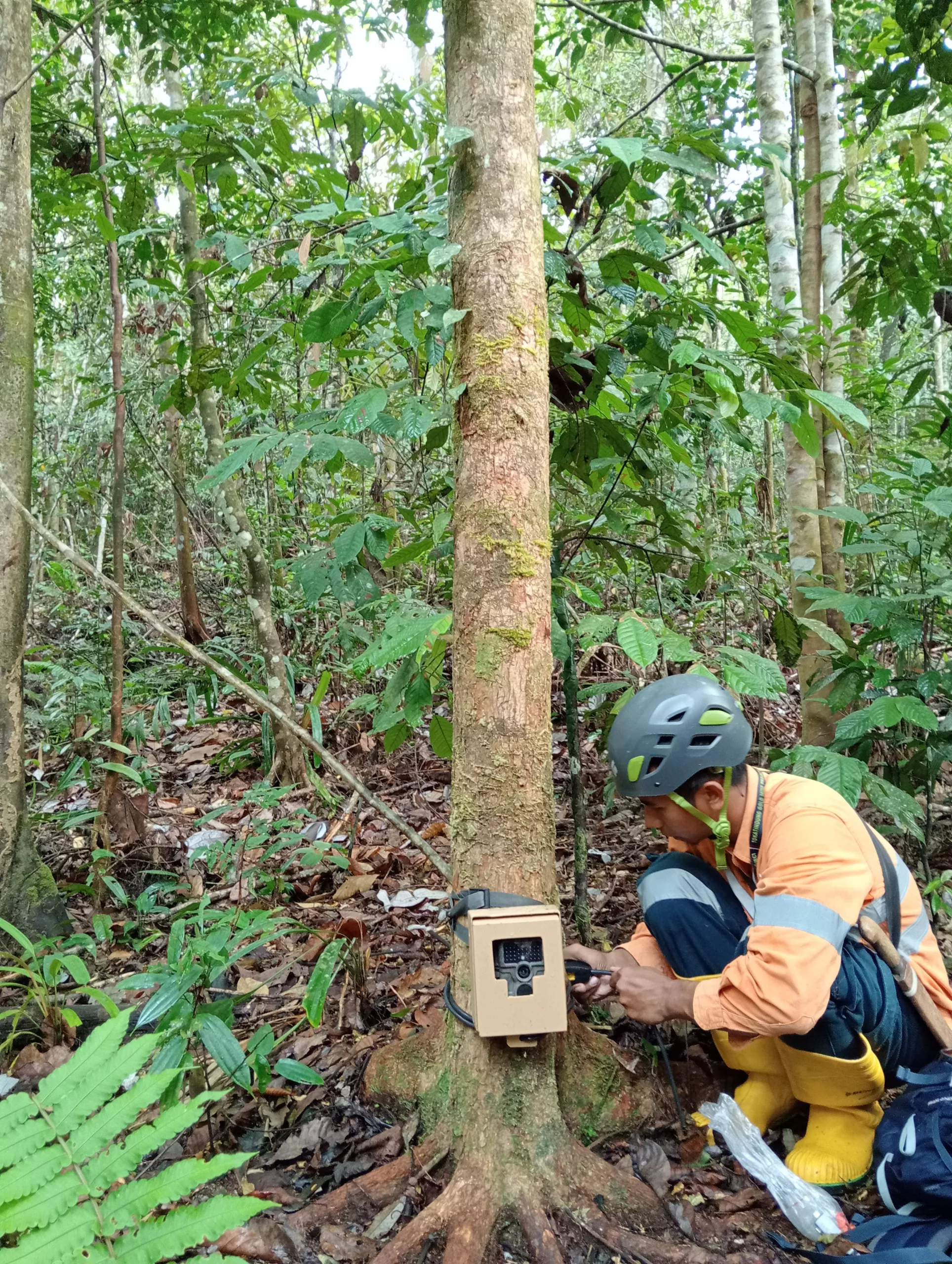
One method implemented is the installation of Camera Traps, automated monitoring devices equipped with motion and heat sensors. These cameras capture images or videos when detecting wildlife movement, including large mammals, birds, and smaller species. This technology enables effective monitoring without disturbing the natural habitats of wildlife.
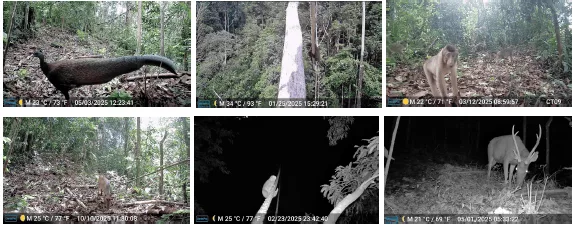
Through the installation of Camera Traps, mining operators can document species presence within operational areas, identify changes in population trends, and monitor wildlife movement over time. The data collected serves as an important basis for assessing the environmental impact of mining activities, while also assisting in the detection of rare or protected species.
Furthermore, information generated from camera traps supports environmental conservation and restoration programmes. If indications of population decline or changes in wildlife movement patterns are identified, mitigation measures such as habitat rehabilitation or the strengthening of wildlife corridors can be promptly planned.
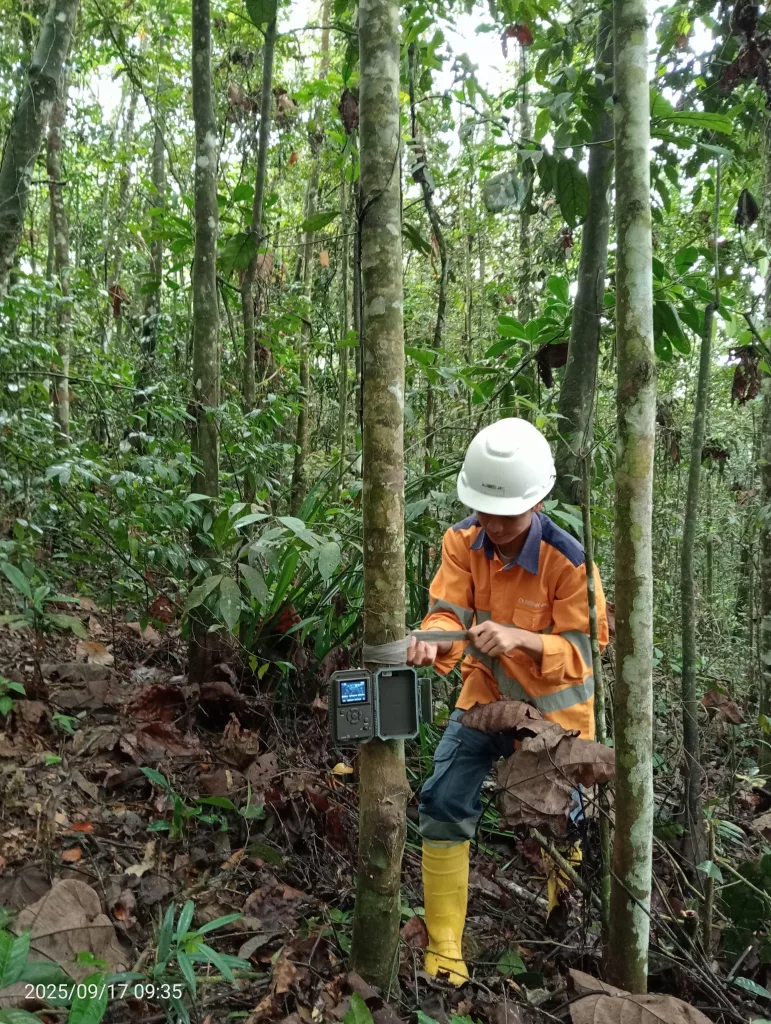
The utilisation of camera traps reflects a commitment to data-driven and sustainable environmental management. Through this approach, a balance between operational activities and biodiversity preservation can be maintained, ensuring that mining areas remain a shared and harmonious space for both people and nature.