Indonesia’s tropical rainforests are widely recognised as some of the most biodiverse regions in the world. However, behind this natural wealth, forests are facing increasing pressure due to land-use change and habitat degradation. These conditions threaten not only trees, but also the survival of wildlife that depend on forests for food and shelter. One forest plant that plays an important role in maintaining this ecological balance is the forest rambutan (Nephelium cuspidatum).
Forest rambutan is a native fruit tree that grows naturally in the tropical rainforests of Sumatra and Kalimantan. It is commonly found in lowland forests and hilly areas that remain relatively well preserved. Because its presence is closely linked to healthy environmental conditions, forest rambutan is often used as a natural indicator of forest ecosystem health. The greater the diversity of natural food trees, the higher the chances for wildlife to survive.
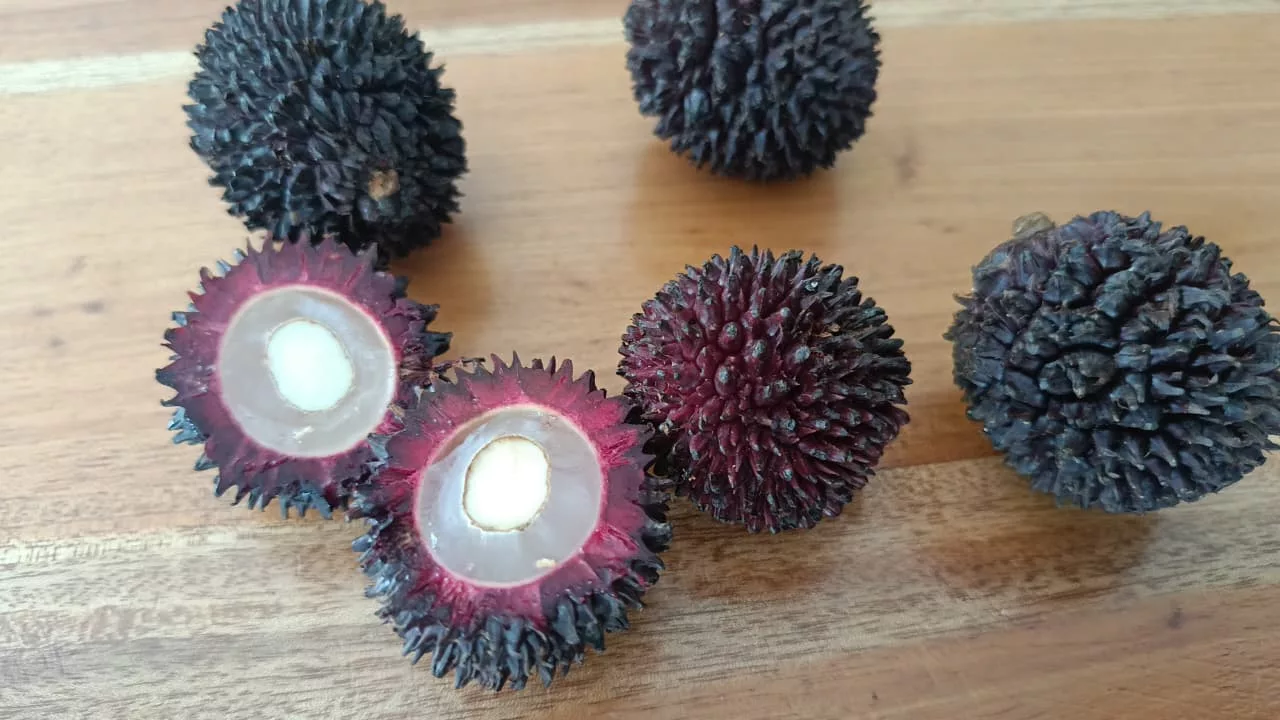
In appearance, forest rambutan differs from cultivated rambutan commonly found in markets. Its flesh is thinner, yet it still contains the energy and water required by wildlife. During the fruiting season, forest rambutan becomes an important food source for a wide range of animals, including birds, fruit-eating bats, primates, and other tree-dwelling mammals.
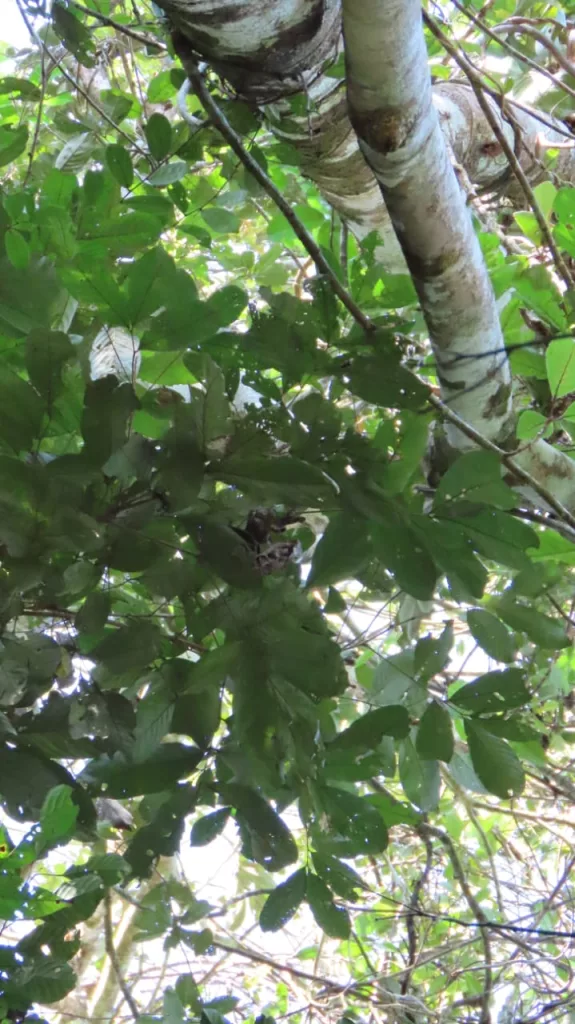
These animals play a vital role not only as consumers of the fruit, but also as natural seed dispersers. Forest rambutan seeds that are carried and dropped away from the parent tree have the opportunity to grow into new trees. This natural process supports forest regeneration and helps maintain ecosystem structure and balance over the long term.
For orangutans (Pongo), forest rambutan is considered a valuable food source, particularly during periods of abundant fruit availability. Orangutans consume the fruit flesh as a source of carbohydrates and fluids to meet their daily energy needs. The remaining seeds are then discarded in different locations, contributing to effective and natural seed dispersal.
Beyond its role as a food source, the forest rambutan tree is also an important component of orangutan habitat. Its relatively dense canopy and strong branches support orangutan activities, as these animals spend most of their lives moving and living in the trees. The presence of large trees such as forest rambutan allows orangutans to travel safely from one tree to another without descending to the ground.
As part of its commitment to environmental and wildlife conservation, Agincourt Resources cultivates forest rambutan (Nephelium cuspidatum) at the company’s nursery facilities. The seedlings produced are used to support habitat rehabilitation and restoration activities, particularly in areas that have experienced disturbance.
This effort aims to ensure the long-term availability of natural food trees for orangutans and other wildlife. In addition, replanting forest rambutan helps strengthen the ecological functions of the landscape surrounding the company’s operational areas, ensuring that it continues to support environmental balance.
The conservation of forest rambutan is an integral part of ecosystem-based wildlife conservation efforts. The loss of food trees due to forest damage can have a direct impact on wildlife survival. Therefore, the protection of natural forests, the restoration of degraded areas, and the replanting of native food tree species such as forest rambutan must continue to be promoted as a collective effort to safeguard the future of Indonesia’s tropical forests.