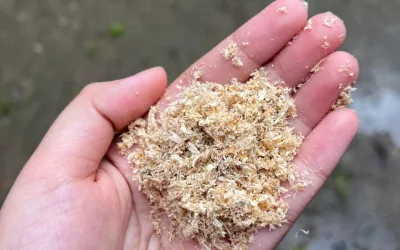
Tiny plastic particles known as microplastics are now found across ecosystems worldwide from the deepest oceans to the air we breathe. Several studies even indicate that microplastics have entered the food chain and may accumulate in the human body.
Microplastics are formed when larger plastic materials break down into increasingly smaller fragments due to heat exposure, friction, and other natural processes. These particles can originate from various sources, including plastic packaging, vehicle tyres, and polymer-based materials that gradually fragment over time.
For industrial operations, including those at the Martabe Gold Mine, this issue serves as an important reminder of the need for responsible material and waste management. Operational activities such as the use of heavy vehicle tyres, polymer pipes, and plastic packaging in working areas may potentially generate secondary microplastics if not properly managed.
For this reason, environmental management remains an integral part of operations at the Martabe Gold Mine. Waste control, water quality monitoring, and proper waste management procedures are implemented to ensure that operational activities continue in harmony with environmental protection, including the Batang Toru River ecosystem, which is an important resource for surrounding communities.
Simple actions taken by every employee can also make a meaningful contribution. Reducing the use of single-use plastics, reusing containers whenever possible, and ensuring waste is managed according to procedures are practical steps that help protect the environment. The issue of microplastics reminds us that something seemingly small can have significant environmental impacts. Through collective awareness, responsible operations, and more mindful daily habits, we can continue to safeguard environmental sustainability around the Martabe Gold Mine.