
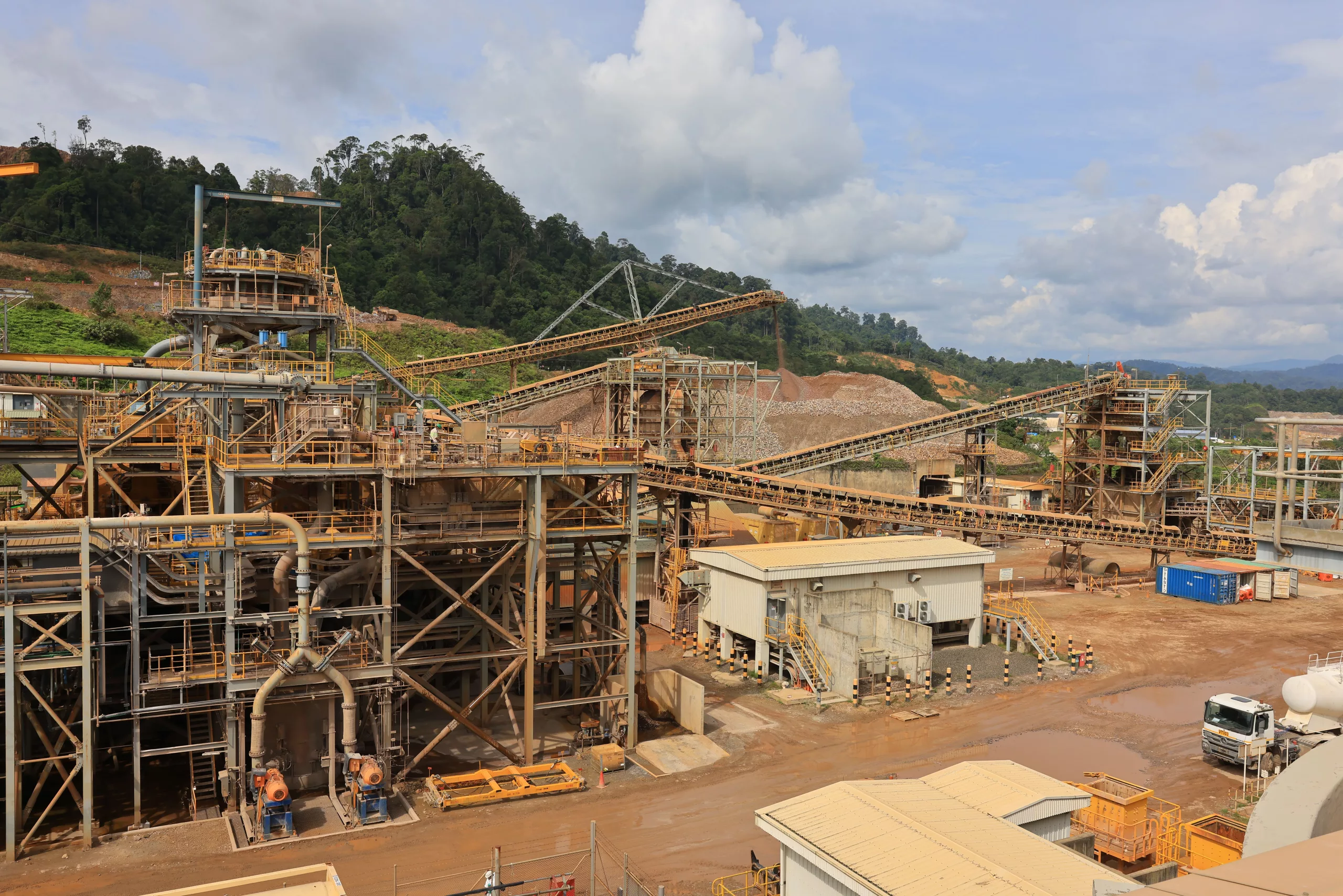
Every activity that relies on fossil fuels — from industrial processes and transportation to electricity generation — produces carbon emissions that are released into the atmosphere. These emissions contribute to climate change, declining air quality, and various other environmental impacts. For many years, the environmental costs associated with these impacts were often not reflected in the cost of production or consumption. To address this issue, many countries have begun implementing carbon taxes as a key instrument for emissions control.
What Is a Carbon Tax?
A carbon tax is a policy that imposes a charge on each unit of carbon dioxide (CO₂) emissions generated by specific activities. Under a carbon tax system, emissions are no longer treated as a negligible by-product but as a cost that must be considered in economic decision-making.
The primary objective of a carbon tax is to encourage businesses and individuals to reduce emissions, improve energy efficiency, and transition to cleaner technologies and energy sources. Through this approach, governments seek to balance economic growth with environmental protection.
How Does a Carbon Tax Work?
In simple terms, a carbon tax places a financial cost on emissions. This mechanism encourages companies to reduce their emissions in order to maintain operational efficiency and manage costs effectively.
1. Government Sets a Carbon Price
The government establishes a specific rate for each tonne of carbon emissions produced.
2. Emissions Are Measured and Reported
Companies measure and report the emissions generated from their operations
3. Tax Is Charged Based on Emissions Levels
The higher the emissions produced, the greater the tax liability.
4. Encourages Efficiency and Innovation
The additional cost associated with emissions motivates companies to pursue more efficient solutions, such as reducing energy consumption, improving equipment performance, optimising production processes, and adopting low-emission technologies.
5. Rewards Low-Emission Businesses
Companies that have already implemented environmentally responsible operational practices can benefit from relatively lower carbon tax costs.
6. Supports Environmental Programmes and Energy Transition
Revenue generated from carbon taxes can be used to support environmental initiatives, renewable energy development, energy efficiency improvements, and programmes that facilitate the transition to a low-carbon economy.
Will a Carbon Tax Increase Costs for the Public?
This is a common question whenever a carbon tax policy is introduced. In practice, many countries implement carbon taxes gradually, initially focusing on sectors that generate significant emissions, such as power generation and certain industrial activities. This phased approach allows businesses and communities time to adapt.
In addition, carbon tax revenues are often reinvested into programmes that benefit society, including clean energy development, more sustainable transport systems, and social initiatives designed to help vulnerable groups manage the impacts of the energy transition.
Over the long term, the benefits can help reduce the economic costs associated with climate change, minimise the health impacts of air pollution, and lower the risks of losses caused by extreme weather events and climate-related disasters.
Protecting the Environment for Future Generations
Carbon taxation forms part of a broader global effort to achieve sustainable development. Through this policy, businesses, governments, and communities can work together to reduce emissions, protect environmental quality, and leave a healthier, more liveable planet for future generations.