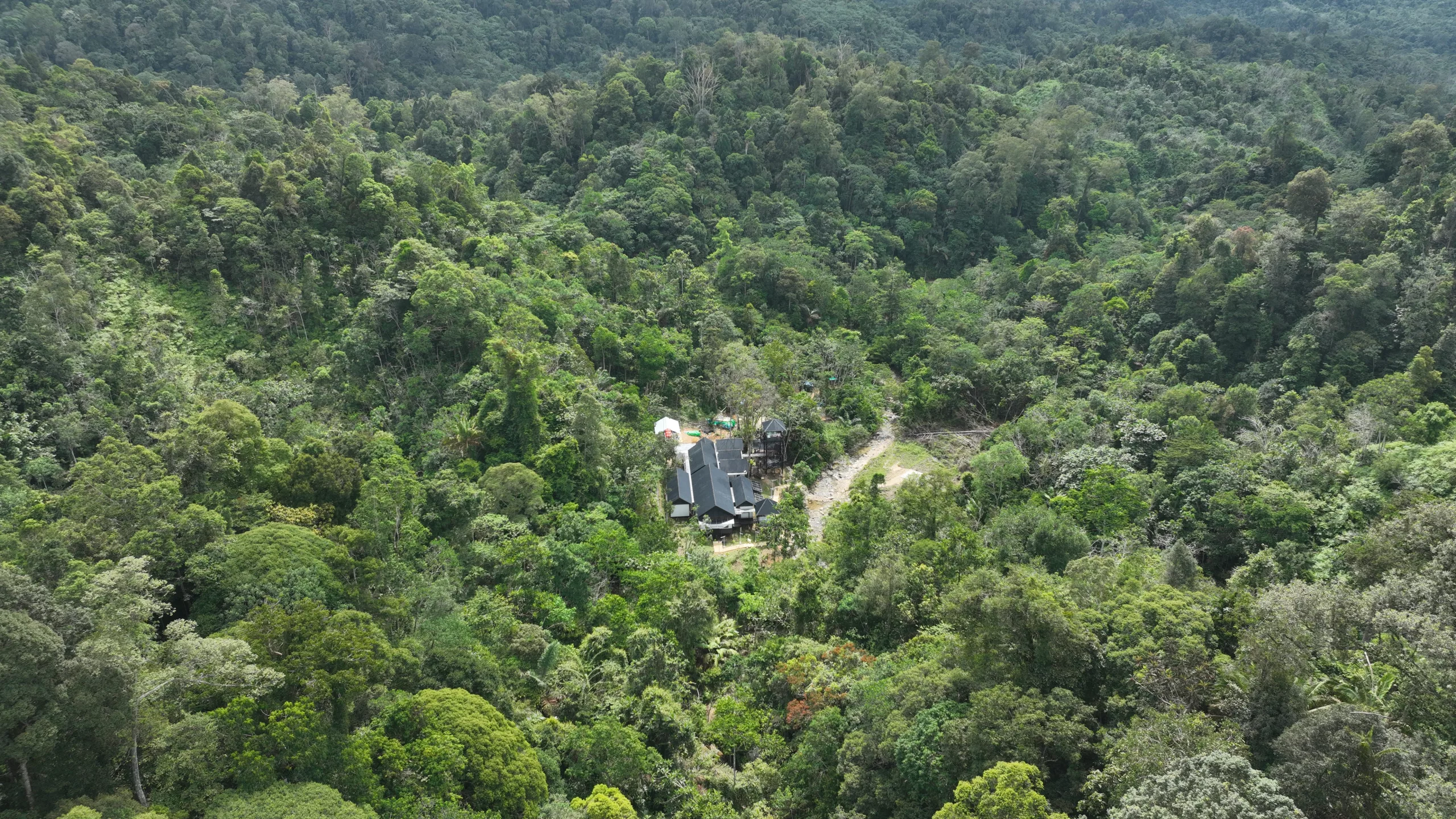
Forests play a vital role in maintaining environmental balance and global climate stability. In addition to providing habitat for a wide range of flora and fauna, forests serve as natural carbon sinks that help reduce the concentration of greenhouse gases in the atmosphere. Owing to this critical function, forests are often regarded as one of the planet’s strongest defences against climate change.
However, human activities such as land clearing for agriculture, plantations, settlements, and industrial development have led to widespread deforestation, resulting in the permanent loss of forest cover. This phenomenon has become one of the most pressing global environmental challenges due to its far-reaching impacts on ecosystems and human well-being.
In simple terms, deforestation refers to the clearing of forests for conversion to other land uses. When forests are cut down or cleared, the carbon that has been stored in trees and soil is released back into the atmosphere in the form of greenhouse gases, particularly carbon dioxide (CO₂). At the same time, the reduction in forest cover diminishes nature’s ability to absorb carbon from the air.
This process contributes to higher concentrations of greenhouse gases, accelerating global warming. The consequences extend beyond rising global temperatures, affecting various environmental systems, including changing weather patterns, increasing frequency of extreme weather events, and disruptions to the water cycle.
Forests also play a crucial role in maintaining the hydrological cycle. Through the process of transpiration, trees release water vapour into the atmosphere, contributing to cloud formation and rainfall. When forest cover is reduced, the balance of the water cycle can be disrupted, increasing the risk of drought in some regions while contributing to flooding in others.
In addition, deforestation poses a significant threat to biodiversity. Forests provide habitat for thousands of plant and animal species that are essential to maintaining ecosystem balance. The loss of these habitats can lead to declining populations and, in some cases, the extinction of species.
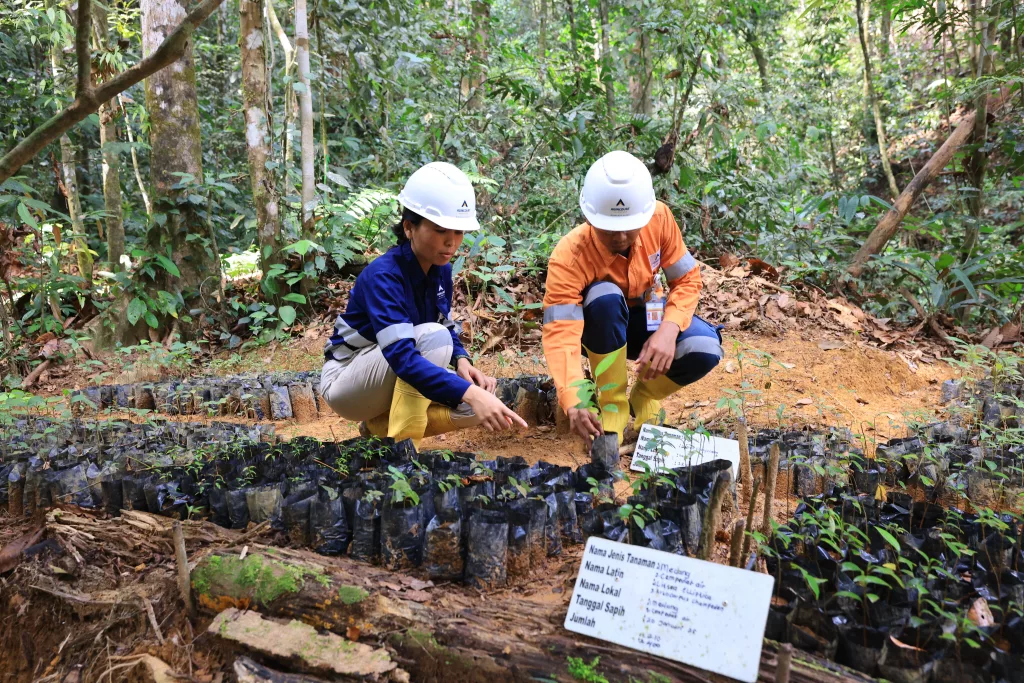
Around the world, various initiatives are being undertaken to reduce the impacts of deforestation, including forest rehabilitation programmes, reforestation efforts, the adoption of sustainable land management practices, and the strengthening of conservation area protection. These measures play an important role in preserving forests’ function as carbon sinks while safeguarding biodiversity.
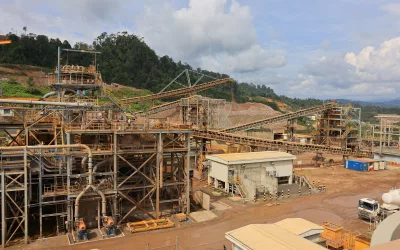
For Agincourt Resources, environmental protection and biodiversity conservation form an integral part of the Company’s sustainability commitment. Through various conservation programmes, land rehabilitation initiatives, biodiversity monitoring activities, and responsible environmental management practices, the Company continues to support a balance between operational activities and environmental stewardship.
Protecting forests is not only about preserving trees; it is about maintaining climate stability, sustaining ecosystems, and safeguarding the quality of life for future generations. Every effort made to protect and restore forests represents an important investment in a more sustainable future.