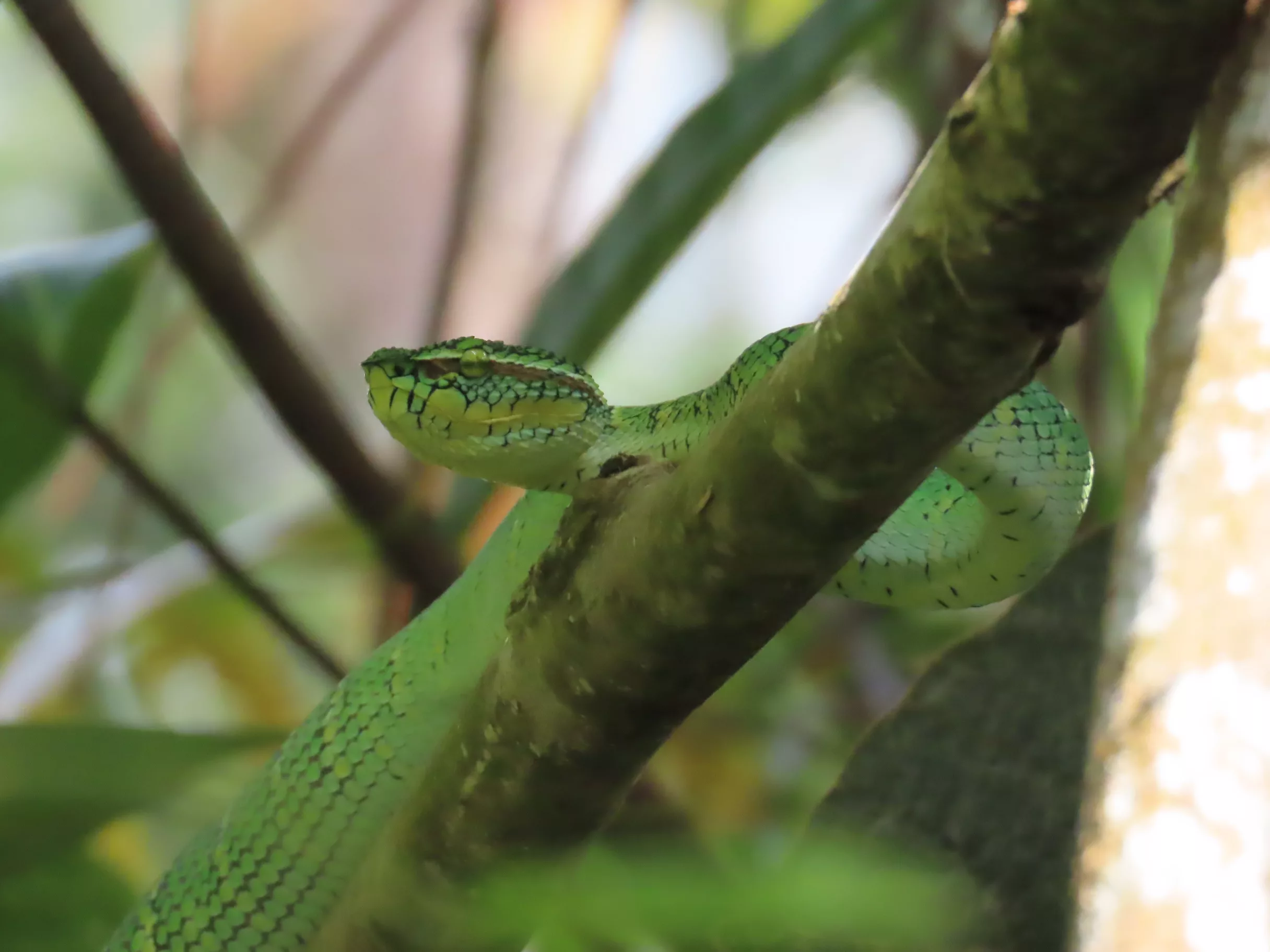
Lying still behind bushes, hiding among leaf litter, or moving slowly through the trees. This is how snakes live in the wild. Although they are often considered frightening when they appear near people, snakes generally prefer to avoid humans rather than confront them.
Snakes are part of forest ecosystems and play a role in maintaining the balance of nature. Each species has different habitats, behaviours and food sources. Some live on the forest floor, while others inhabit trees, bushes or areas close to water.
Different Species, Different Roles
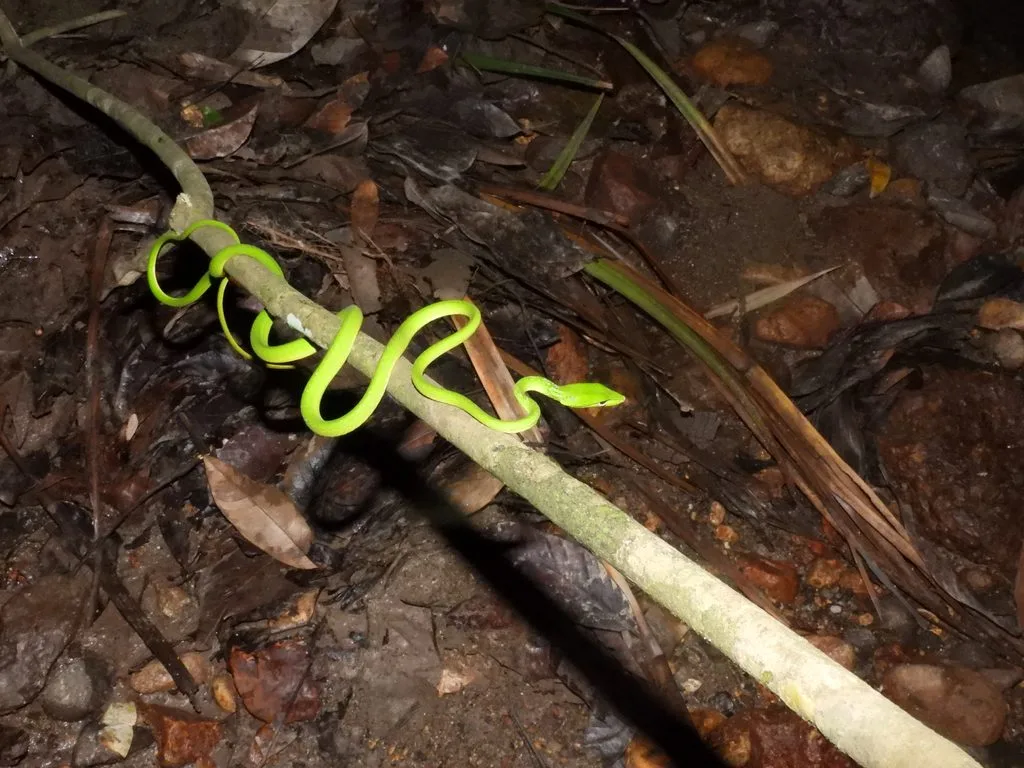
Snakes come in a wide variety of species and characteristics. Several species recorded in environments close to human activities include Ptyas mucosa, Naja naja and Lycodon aulicus. These species are known to make use of modified environments when suitable food sources and shelter are available.
Meanwhile, Bungarus candidus, also known as the Malayan krait, has also been observed using areas close to buildings within human-dominated landscapes. The presence of these species shows that the boundaries between natural habitats and human environments are not always completely separate for wildlife.
Differences between species also mean differences in behaviour. Some snakes are active during the day, while others are more active at night. Their prey also varies, ranging from rats, frogs and lizards to birds and other snakes.
They Do Not Seek Out Humans
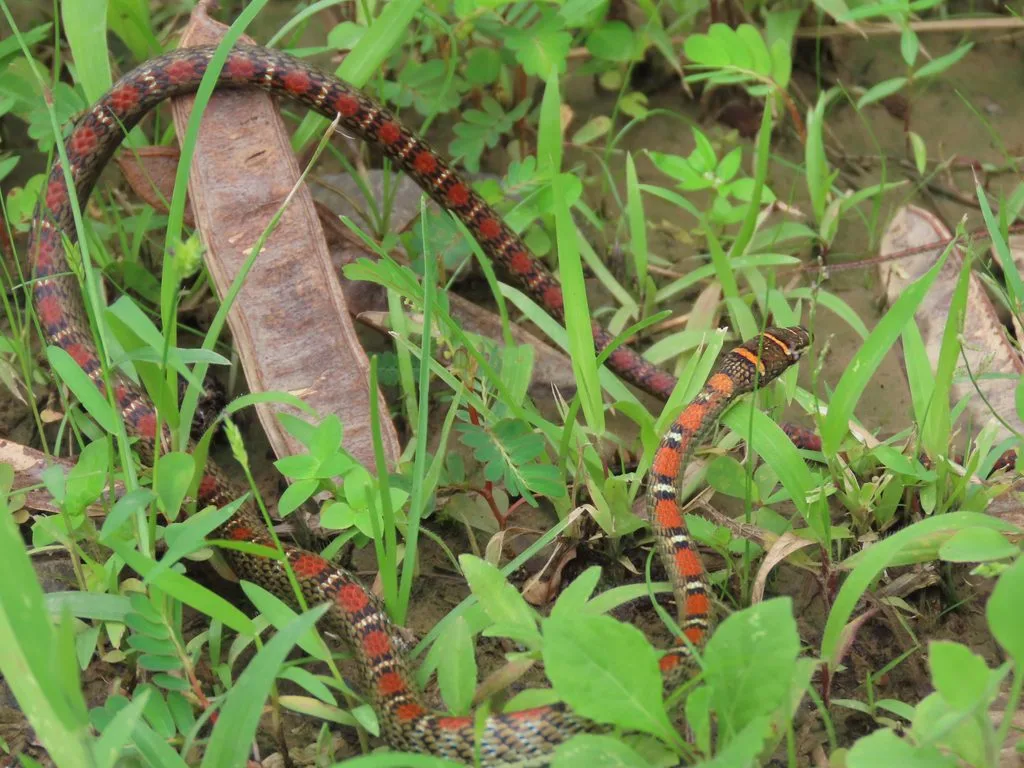
Humans are not part of a snake’s natural diet. When they become aware of human presence, snakes generally choose to hide, escape or remain still, relying on their ability to camouflage themselves.
Defensive behaviour may occur when a snake feels threatened, startled or cornered. Under such circumstances, some species may hiss, raise their heads or display certain movements as a warning for the perceived threat to move away.
However, avoiding humans does not mean that snakes never occur around people. The availability of food is one reason why snakes may be found in human environments. Rats, for example, are commonly found around settlements and buildings and can serve as prey for several snake species.
Therefore, the appearance of a snake near a building does not necessarily mean that it is looking for humans. The surrounding environment may simply provide suitable food or shelter.
Part of the Web of Life
As predators, snakes help regulate the populations of the animals they prey upon. At the same time, snakes are also a food source for other animals. These relationships make snakes part of the food chain that supports the balance of ecosystems.
Not all snakes are venomous. Even among venomous species, characteristics and levels of risk can vary. As identifying a snake is not always easy, an unfamiliar snake should not be touched, chased or captured independently.
Understanding snake species and behaviour is therefore important so that encounters with these animals can be handled calmly and appropriately.
Handled Safely in Operational Areas
Encounters with wildlife, including snakes, may occur in operational areas located close to natural habitats. At Agincourt Resources, snake handling takes into account both human safety and wildlife conservation.
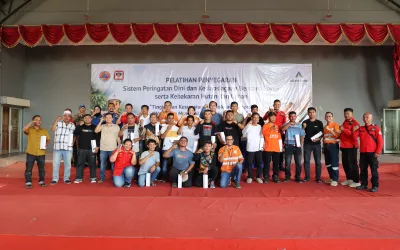
When a snake is found in an operational or office area, the report is followed up by the Emergency Response Team (ERT), whose members have received training in snake handling. The capture process is carried out using complete personal protective equipment (PPE) and in accordance with the company’s standard operating procedures (SOPs).
Snakes that have been safely secured are then handed over to the Biodiversity & Environmental Strategic Development (BESD) Department for further handling. Where their condition allows, the snakes are released back into forest areas or other suitable habitats.
This approach forms part of efforts to protect human safety while also giving wildlife the opportunity to return to its natural habitat and continue playing its role in the ecosystem.
Understanding to Protect
Feeling afraid when encountering a snake is perfectly natural. However, understanding its behaviour can help us respond more appropriately.
When a snake is found, keeping a safe distance and avoiding disturbance are important first steps. Its presence should then be reported to authorised personnel so that it can be handled safely.
Understanding snakes is not simply about learning more about an animal that is often perceived as frightening. More importantly, it means recognising that every living creature has a role within the ecosystem. When people and wildlife can coexist by understanding their respective spaces and roles, there is a greater opportunity to maintain the balance of nature.