Protecting the sea is not only about caring for what can be seen on the surface, but also about safeguarding the life that thrives beneath it. Coral reefs are an important part of marine ecosystems, providing habitats for diverse marine life while helping to maintain the balance of coastal areas. Therefore, their conservation requires knowledge, skills and collaboration among various stakeholders.
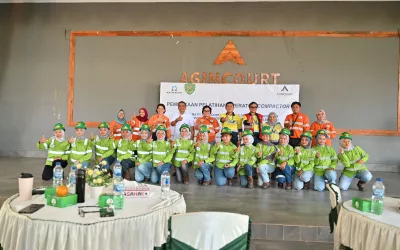
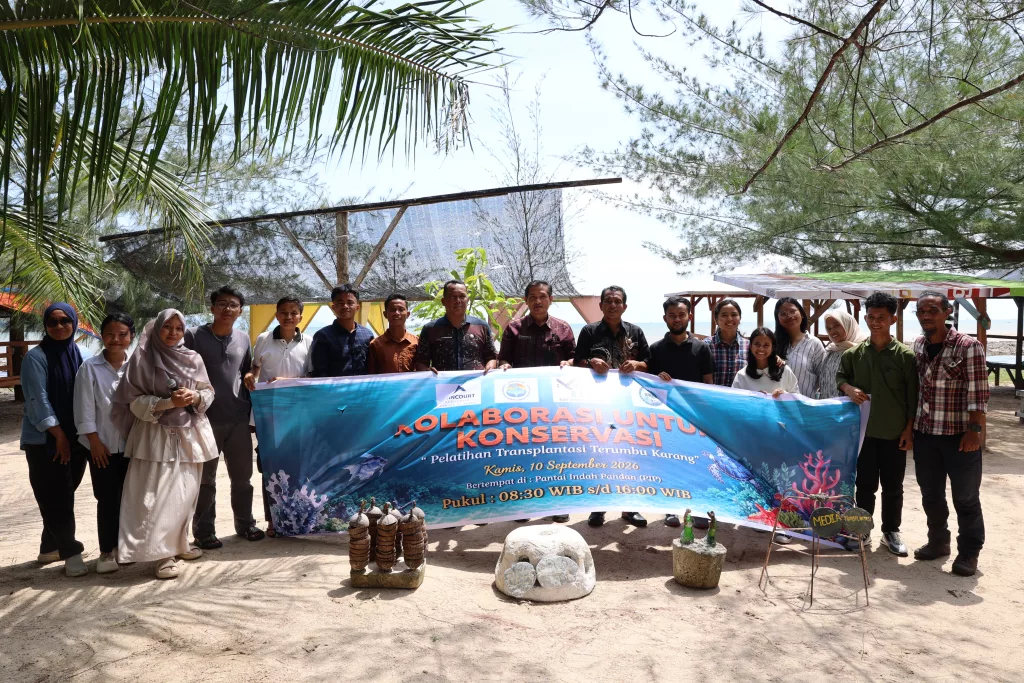
This commitment was brought to life through Coral Reef Transplantation Training held at Pantai Indah Pandan, Central Tapanuli Regency, on 10th September 2026. The activity was a collaboration between Agincourt Resources, Yayasan Masyarakat Penjaga Pantai Barat, Bank Sampah Yamantab, and Kelompok Konservasi Laut Nusantara (KKLN).
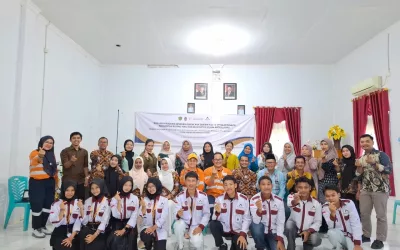
The activity was attended by KKLN Chairperson Antonius Zebua and Head of the Conservation Area Regional Technical Implementation Unit (UPTD) at the North Sumatra Provincial Marine and Fisheries Service, Eliezeri Irfan Hulu. Representing Agincourt Resources, Biodiversity Management Supervisor Muhamad Kurniawan attended alongside the Biodiversity Management team.
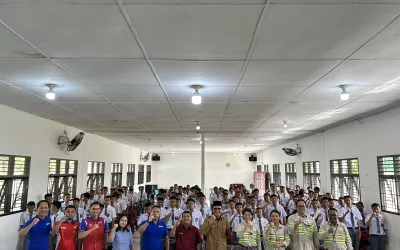
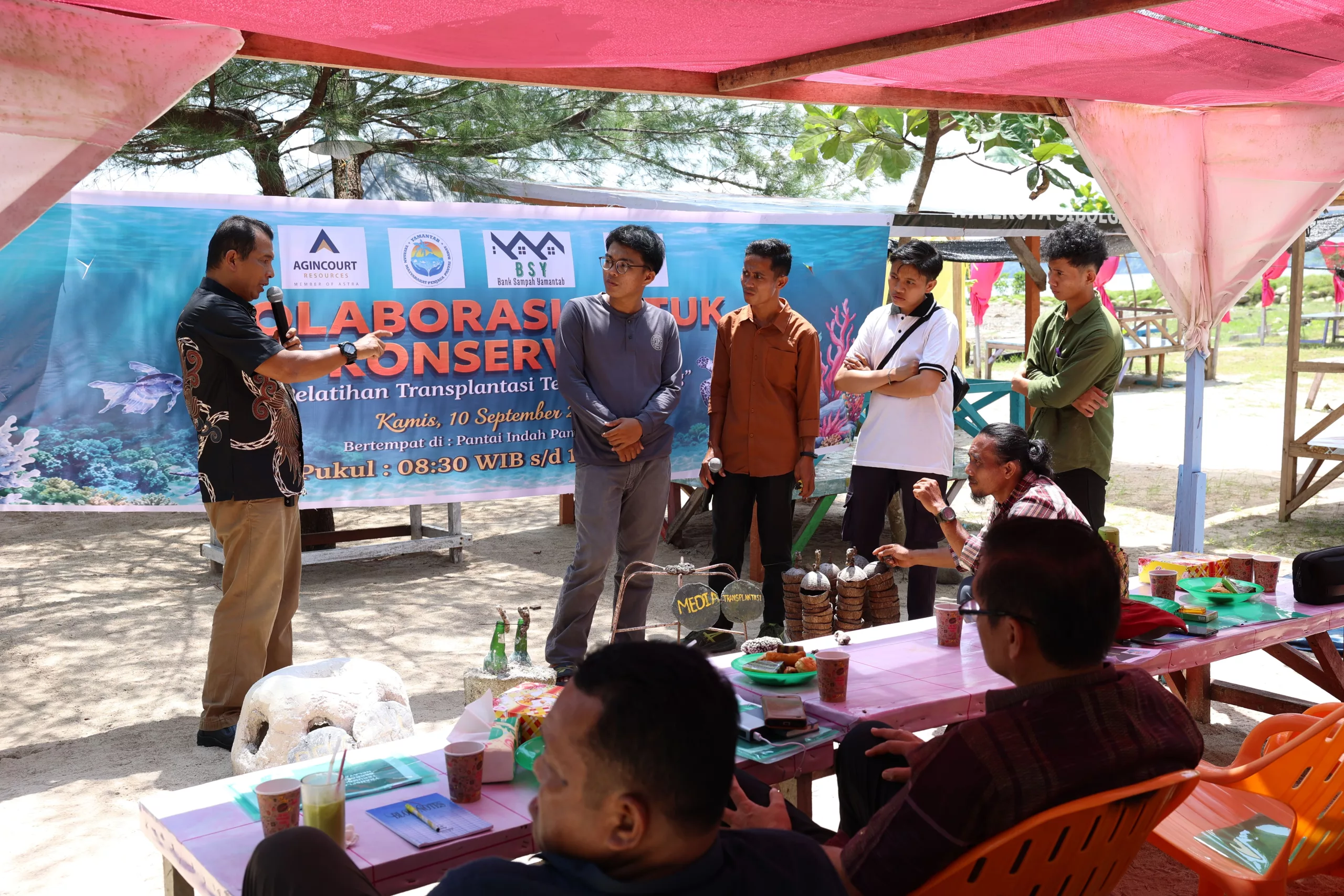
The training comprised a series of activities, including registration, an opening session, presentation of materials, and a coral reef transplantation workshop. Participants also took part in practical sessions as part of their learning about efforts to restore and conserve coral reef ecosystems.
Coral reef transplantation is one of the approaches used to rehabilitate ecosystems by relocating or propagating coral fragments so that they can grow again in areas requiring restoration. Through this training, participants were introduced to the approach in a practical manner, enabling efforts to protect marine ecosystems to be carried out with the appropriate knowledge and skills.
For Agincourt Resources, collaboration in conservation is part of its commitment to fostering environmental awareness beyond the boundaries of its operational area. By working together with communities and stakeholders, knowledge and experience can be shared to support the sustainability of coastal ecosystems.