Environmental Stewardship
Understanding the Role of Snakes in Ecosystems

Understanding the Role of Snakes in Ecosystems

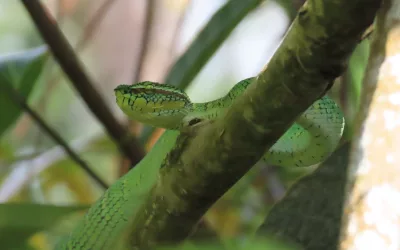
Lying still behind bushes, hiding among leaf litter, or moving slowly through the trees. This is how snakes live in the wild. Although they are often considered frightening when they appear near people, snakes generally prefer to avoid humans rather than confront...

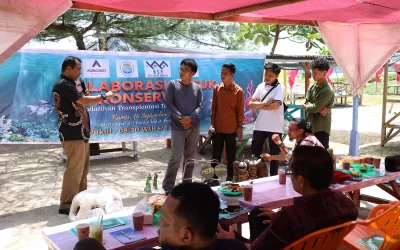
From Reefs, Hope Grows, Together Protecting the Sea

From Reefs, Hope Grows, Together Protecting the Sea

Protecting the sea is not only about caring for what can be seen on the surface, but also about safeguarding the life that thrives beneath it. Coral reefs are an important part of marine ecosystems, providing habitats for diverse marine life while helping to maintain...

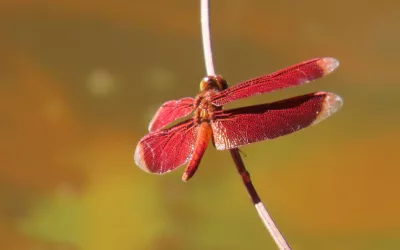
Understanding Dragonflies as Bioindicators of Environmental Quality

Understanding Dragonflies as Bioindicators of Environmental Quality

Dragonflies are more than just insects found around water bodies. Their presence can serve as a natural indicator of ecosystem health, particularly the quality of freshwater environments. Dragonflies belong to the order Odonata, which comprises true dragonflies...

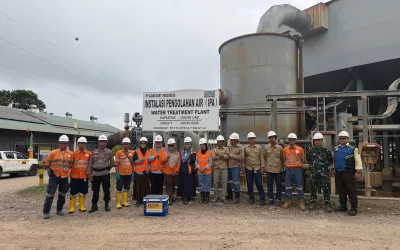
Safeguarding Water Quality through Measured and Transparent Processes

Safeguarding Water Quality through Measured and Transparent Processes

Safeguarding water quality is part of an ongoing effort to ensure that operational activities remain aligned with environmental stewardship. For this reason, every stage of process water management at the Martabe Gold Mine is carried out in a measured manner,...

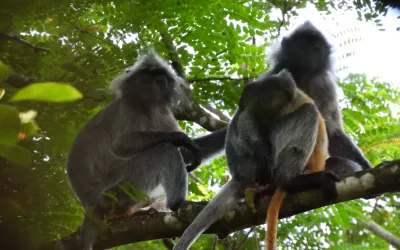
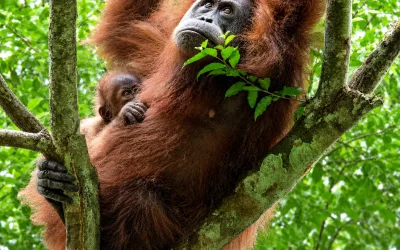
Four Ways Primate Mothers Raise Their Young in the Batang Toru Forest

Four Ways Primate Mothers Raise Their Young in the Batang Toru Forest

Deep within the lush Batang Toru Forest, each primate species has its own unique way of ensuring the survival of future generations. For them, the forest is not only a place to find food, but also a learning environment where young primates develop essential skills,...