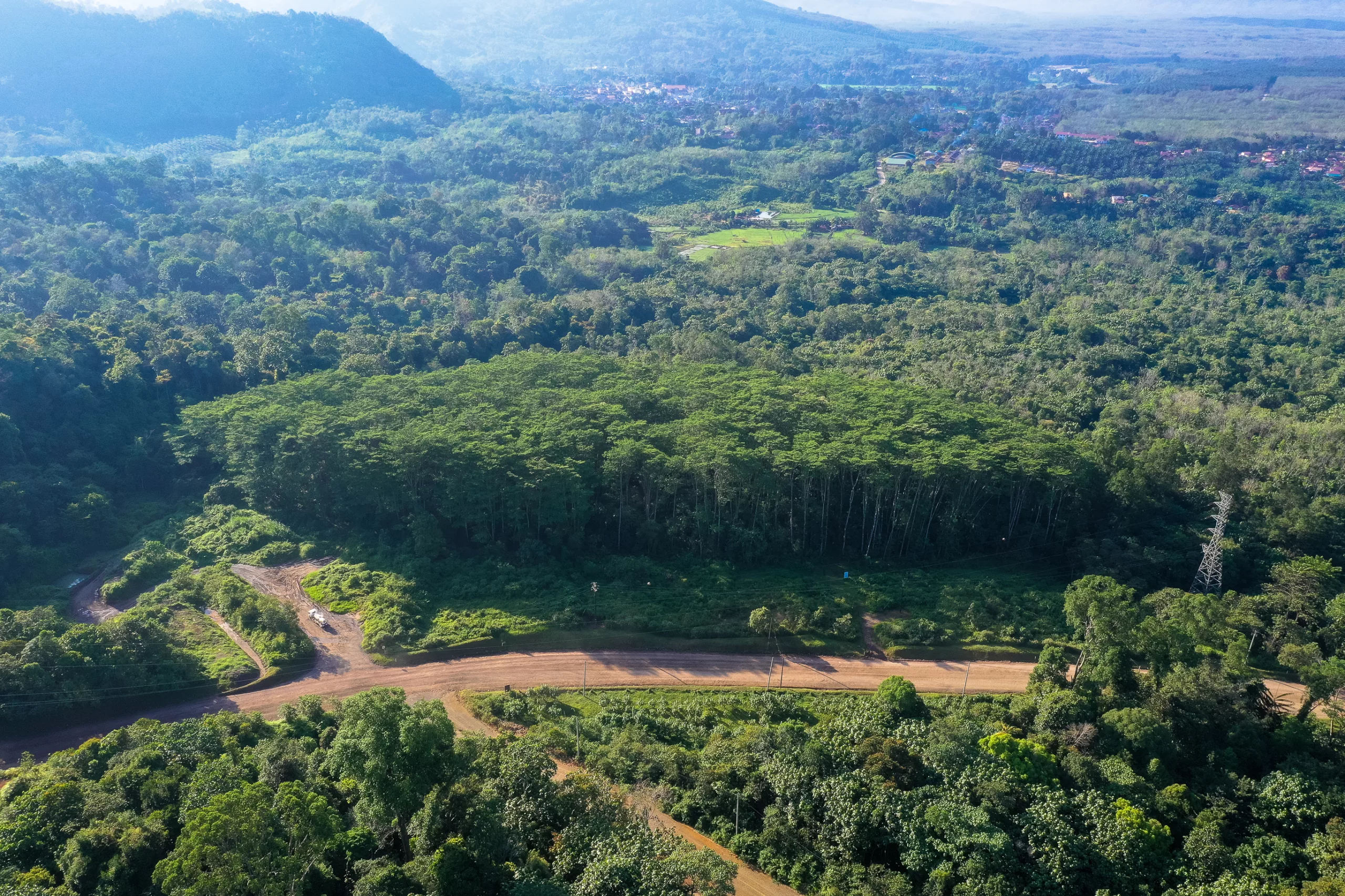
How does the team identify wildlife living around the work area? Biodiversity monitoring is not simply about recording animals that are seen. It involves a range of scientific methods to identify wildlife presence, activity and condition, while minimising disturbance to their habitats.
Transects and Direct Observation
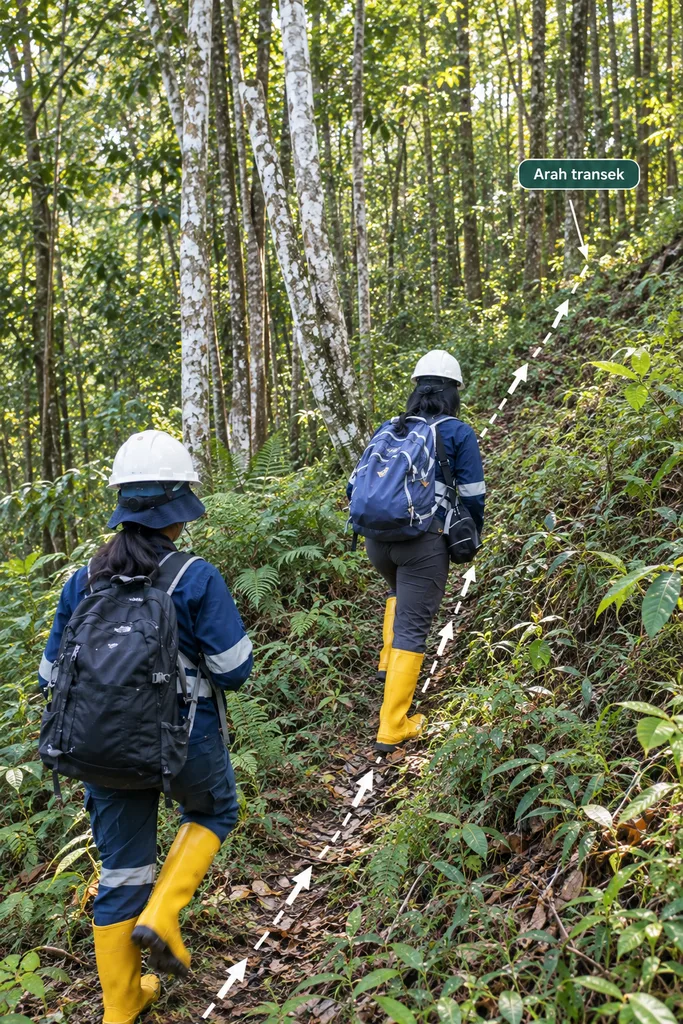
Using the Visual Encounter Survey (VES) method, the team follows predetermined routes to record wildlife and signs of their presence, such as footprints, droppings, nests, scratch marks and sounds. This data helps provide an understanding of wildlife presence, density and distribution within an area.
Night-time Observation of Reptiles and Amphibians
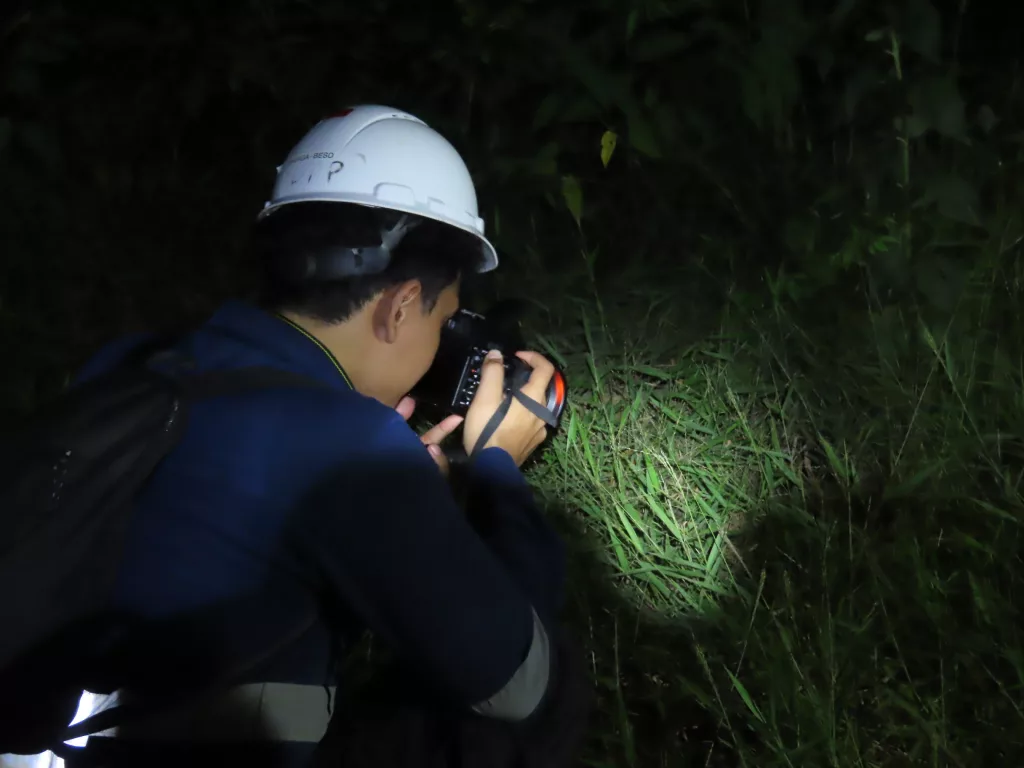
Through night herping, the team observes reptiles and amphibians that are active after sunset. Observations are carried out in locations with potential habitats, such as riverbanks, ponds and shrub areas. This method helps reveal wildlife activity that is less visible during the day.
Camera Traps
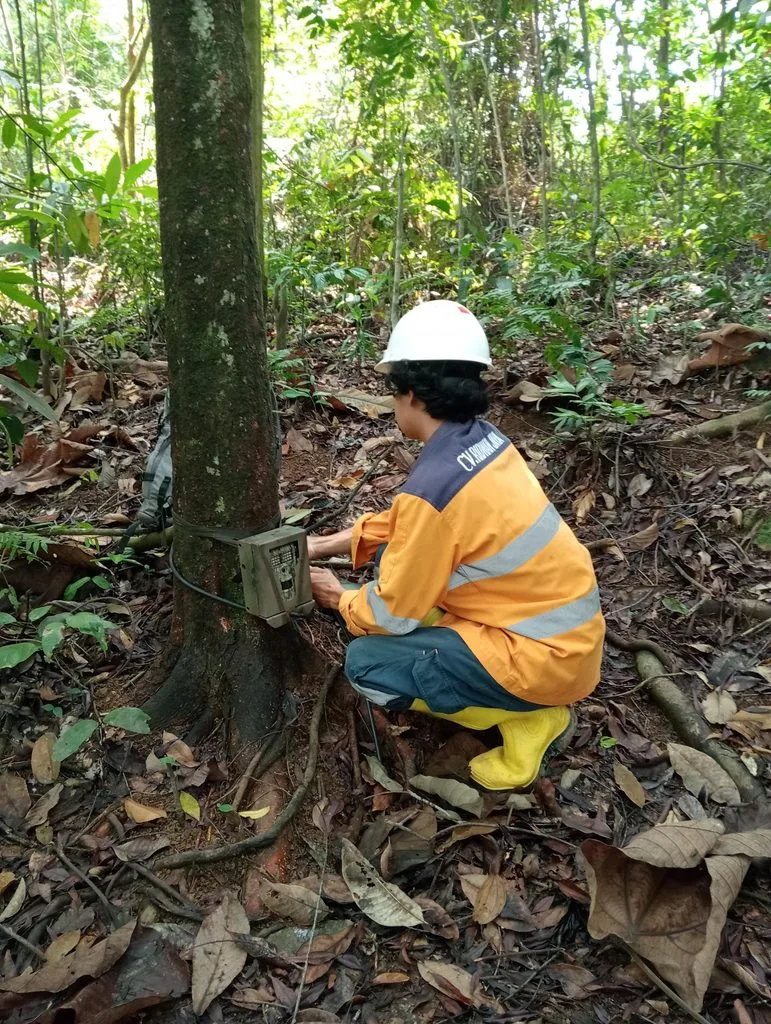
Shy or rarely seen wildlife is monitored using camera traps. Motion-sensor devices are installed at strategic locations and can automatically record wildlife activity during both the day and night. The footage provides information on species, appearance times and wildlife behaviour.
Bioacoustics
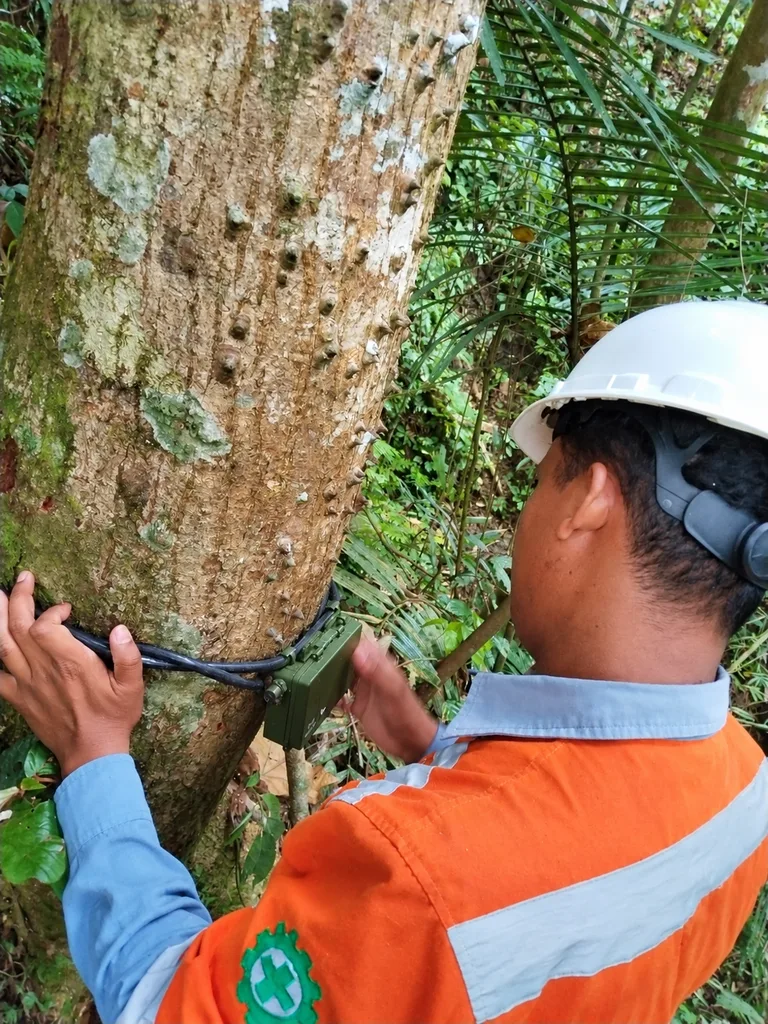
When wildlife is difficult to see, sound can provide an important clue. Through bioacoustic monitoring, automatic sound recorders, or Autonomous Recording Units (ARUs), are used to record wildlife sounds at specific times. The recordings are then analysed to help identify wildlife presence and activity, particularly birds and species that are active and vocal at night.
Bird Observation Using Point Count
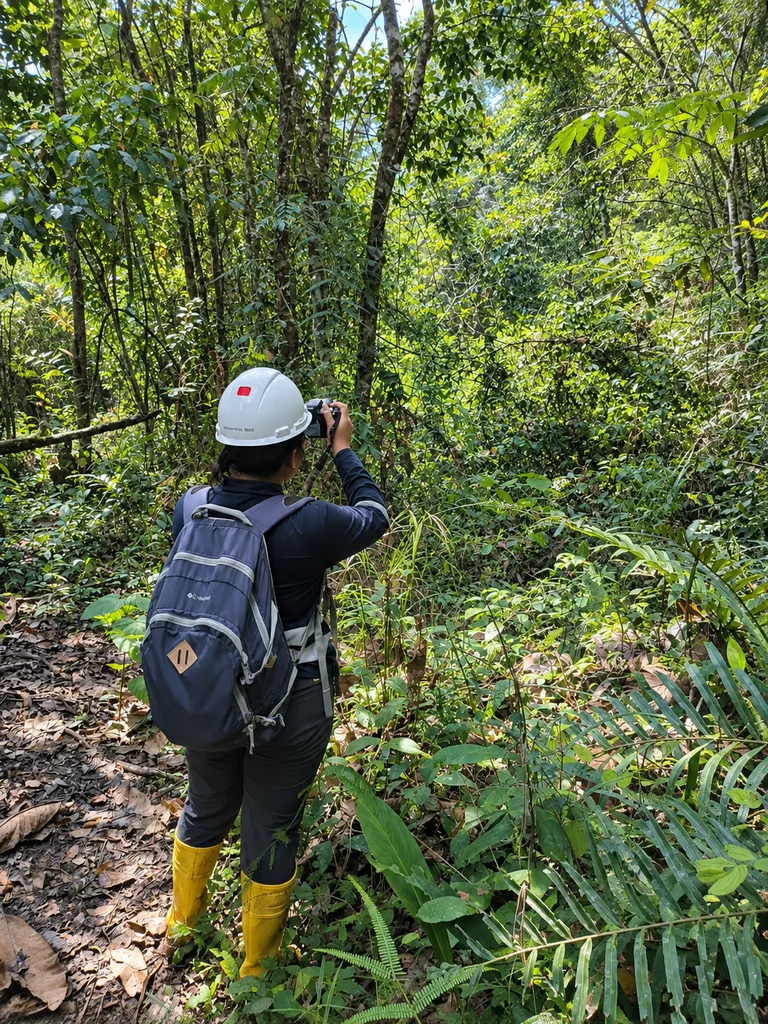
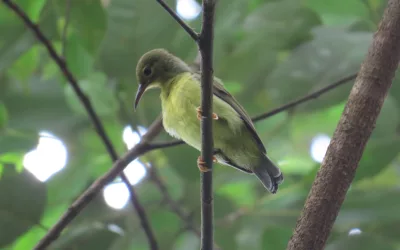
In the point count method, observers remain at a fixed location for a set period while recording birds that are seen or heard. Observations are conducted quietly to minimise disturbance to the birds’ natural behaviour and ensure more accurate data collection.
Faecal Sampling
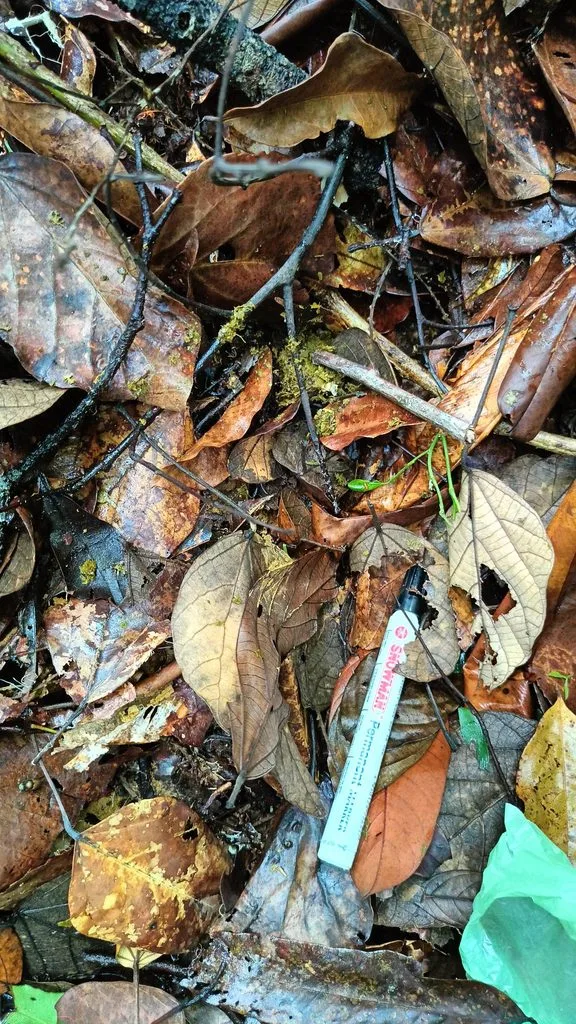
Primate faecal samples can provide valuable information without the need to capture or handle the animals. Laboratory analysis can be used to study the microbiome, as well as genetic material or DNA (Deoxyribonucleic Acid). This data helps researchers understand the microbiome and genetic diversity of primate populations.
Flora Phenology Monitoring
Wildlife is closely connected to plants, which are an important part of their habitat and food sources. Therefore, the team also monitors flora phenology, including flowering, fruiting and leaf-fall periods. This data helps provide an understanding of the relationship between food availability and wildlife activity.
Different Methods, One Purpose
Each method provides different information. Transects help identify signs of wildlife presence, night herping reveals reptile and amphibian activity at night, camera traps record elusive wildlife, bioacoustics detects wildlife through sound, and point counts help monitor birds from fixed observation points. Meanwhile, faecal samples provide information about primates, while phenology monitoring helps reveal the relationship between plants and wildlife.
By combining these methods, the team can develop a more comprehensive picture of biodiversity around the work area. Every footprint, sound, recording and change in vegetation becomes an important part of the data needed to understand and help protect the ecosystem.