Efforts to reduce waste at school are beginning to deliver tangible benefits for both the environment and school communities in Batang Toru and Muara Batang Toru Districts, South Tapanuli Regency, North Sumatra. Through the Waste-Friendly School programme, schools supported by Agincourt Resources are not only keeping their surroundings clean but also turning waste into fertiliser, natural cleaning solutions and other products with economic value.
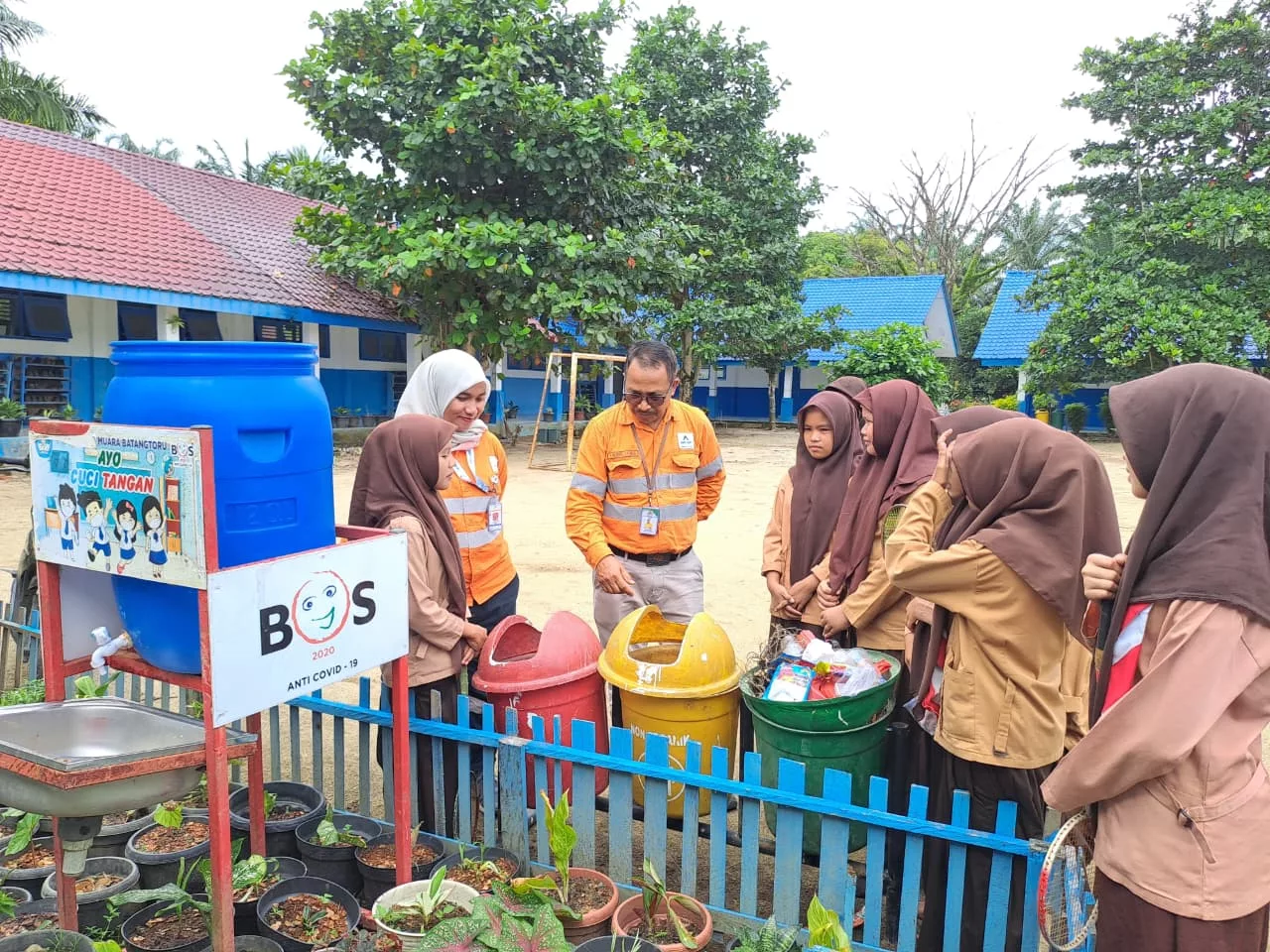
Throughout October 2026, Agincourt Resources monitored six supported schools: SD Negeri No. 100712 Hapesong Lama, SDS No. 100910 Islam Terpadu Faza Azkia, SMP Negeri 1 Muara Batang Toru, SMP Negeri 2 Muara Batang Toru, SMP Negeri 1 Batang Toru and SMP Negeri 2 Batang Toru. The monitoring aimed to help schools apply knowledge gained through training, establish good waste management habits and prepare to act as facilitators for other schools participating in the Adiwiyata programme.
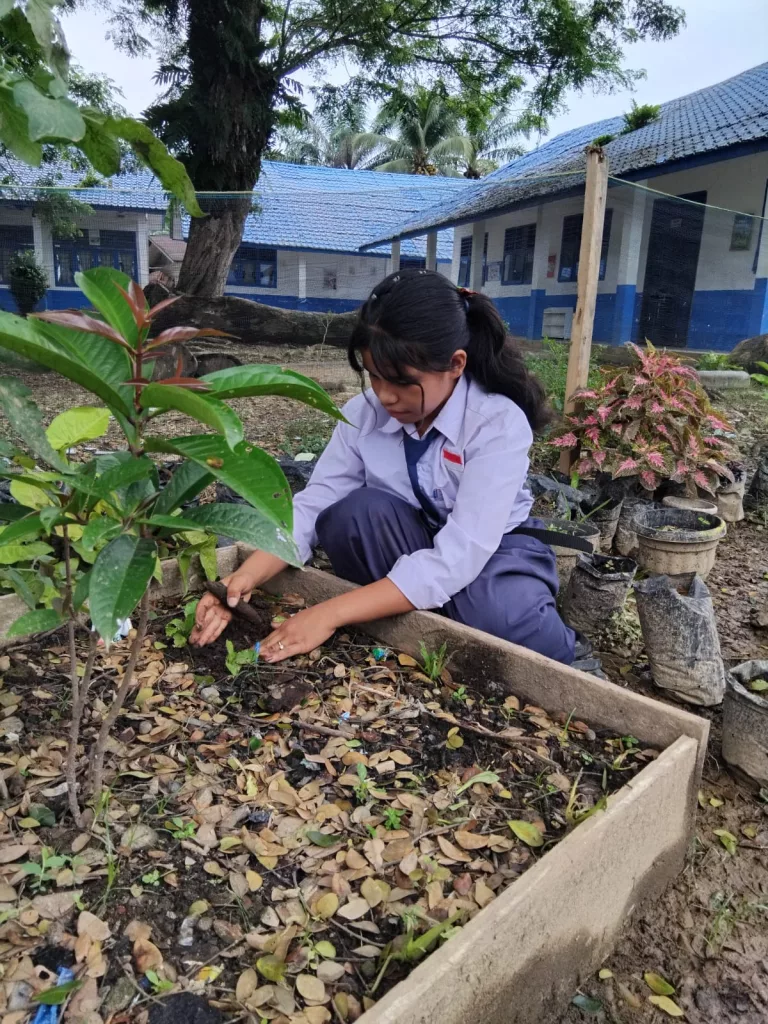
The Adiwiyata programme promotes environmentally conscious schools with a strong culture of environmental responsibility. As part of this initiative, Agincourt Resources supports 15 schools as they progress towards Adiwiyata recognition at regency, provincial, national and independent levels. Monitoring helps assess the implementation of the programme while preparing schools for potential field verification by the assessment team.
One example of this progress can be seen at SDS Islam Terpadu Faza Azkia in Muara Batang Toru. The school has begun implementing a healthy canteen initiative by reducing the use of plastic bags and plastic food packaging. Students and other members of the school community are encouraged to bring reusable containers as a practical way to reduce waste at its source.
Hasda Nami Harahap, the Adiwiyata programme coordinator at SDS Islam Terpadu Faza Azkia, explained that these habits form part of a broader effort to promote healthy living and environmental responsibility.
“Through our healthy canteen initiative, we are committed to reducing the use of plastic bags and plastic-packaged snacks. We encourage members of the school community to bring and use reusable containers, choose healthier snacks and reduce waste at its source. For us, a healthy canteen is more than just a place to buy food; it is a place to instil good habits for the sake of a healthy generation and a more sustainable planet,” she said.
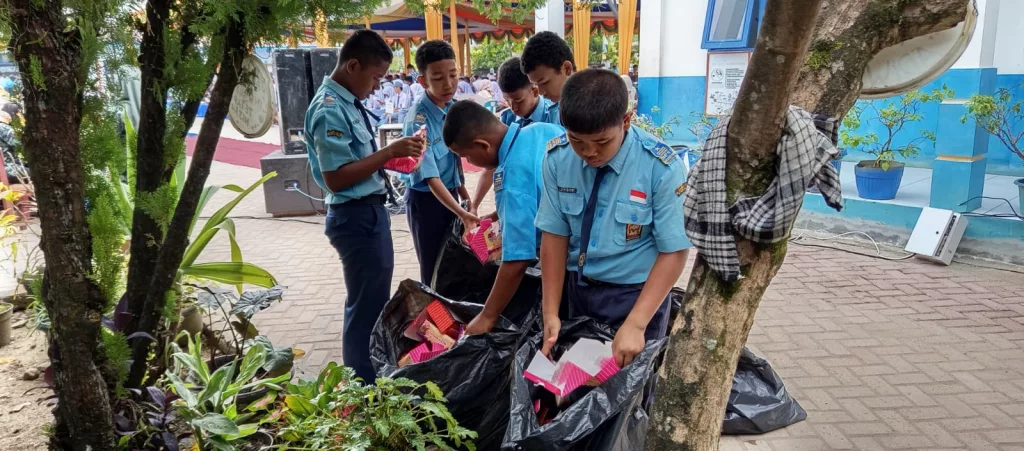
Other good practices can be found at SMP Negeri 1 Batang Toru and SMP Negeri 2 Batang Toru. Both schools have begun making waste sorting a routine part of school activities, including after events and the provision of Free Nutritious Meals (Makan Bergizi Gratis, or MBG). Non-organic waste, such as plastic and cardboard, is separated and sold for recycling, giving these materials economic value.
Meanwhile, SMP Negeri 1 Muara Batang Toru has developed a system for processing organic waste into eco-enzyme and fertiliser. The fertiliser is used to grow vegetables within the school grounds. The resulting harvest can then be sold, generating additional income while supporting school activities.
These initiatives demonstrate that waste management can deliver benefits beyond maintaining a clean environment. When properly sorted and processed, waste can become a resource that supports school activities, generates income and strengthens the school community’s independence in implementing the Adiwiyata programme.
Through ongoing guidance and monitoring, Agincourt Resources is encouraging the Waste-Friendly School culture to become more than a temporary initiative and instead develop into an everyday habit. From canteens that reduce plastic bag use to turning waste into fertiliser and marketable products, these simple actions at school contribute to a shared effort to nurture an environmentally conscious generation and build a more sustainable future.