biodiversity conservation
Understanding the Role of Snakes in Ecosystems

Understanding the Role of Snakes in Ecosystems

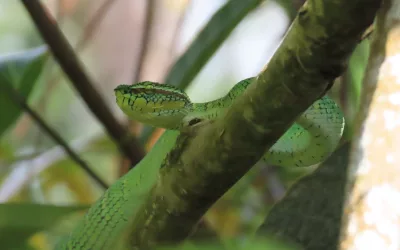
Lying still behind bushes, hiding among leaf litter, or moving slowly through the trees. This is how snakes live in the wild. Although they are often considered frightening when they appear near people, snakes generally prefer to avoid humans rather than confront...

Reading Wildlife Signs Behind Operational Activities

Reading Wildlife Signs Behind Operational Activities

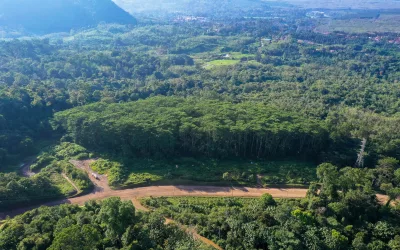
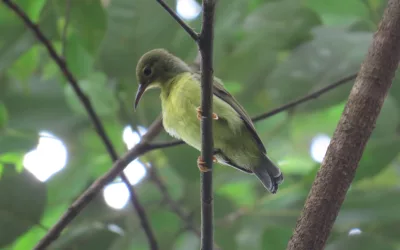
How does the team identify wildlife living around the work area? Biodiversity monitoring is not simply about recording animals that are seen. It involves a range of scientific methods to identify wildlife presence, activity and condition, while minimising disturbance...

Understanding Dragonflies as Bioindicators of Environmental Quality

Understanding Dragonflies as Bioindicators of Environmental Quality

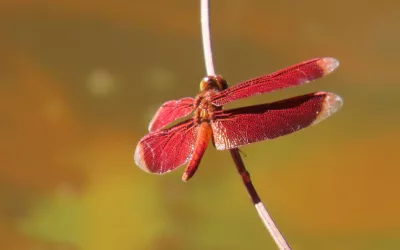
Dragonflies are more than just insects found around water bodies. Their presence can serve as a natural indicator of ecosystem health, particularly the quality of freshwater environments. Dragonflies belong to the order Odonata, which comprises true dragonflies...

Four Ways Primate Mothers Raise Their Young in the Batang Toru Forest

Four Ways Primate Mothers Raise Their Young in the Batang Toru Forest

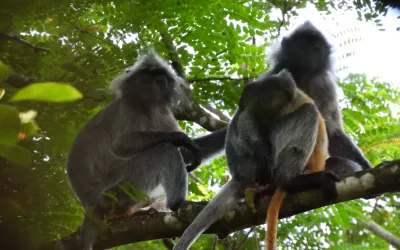
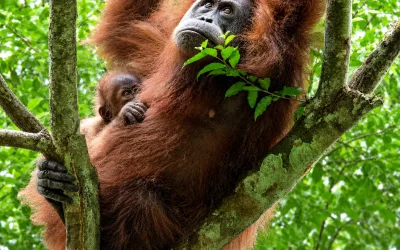
Deep within the lush Batang Toru Forest, each primate species has its own unique way of ensuring the survival of future generations. For them, the forest is not only a place to find food, but also a learning environment where young primates develop essential skills,...

Blue Carbon, Nature’s Climate Solution from Coastal Ecosystems

Blue Carbon, Nature’s Climate Solution from Coastal Ecosystems

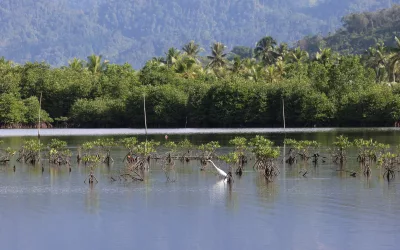
As global attention to climate change continues to grow, tropical forests are often described as the lungs of the Earth because of their ability to absorb carbon dioxide (CO₂). However, another ecosystem possesses an exceptional capacity to capture and store carbon:...