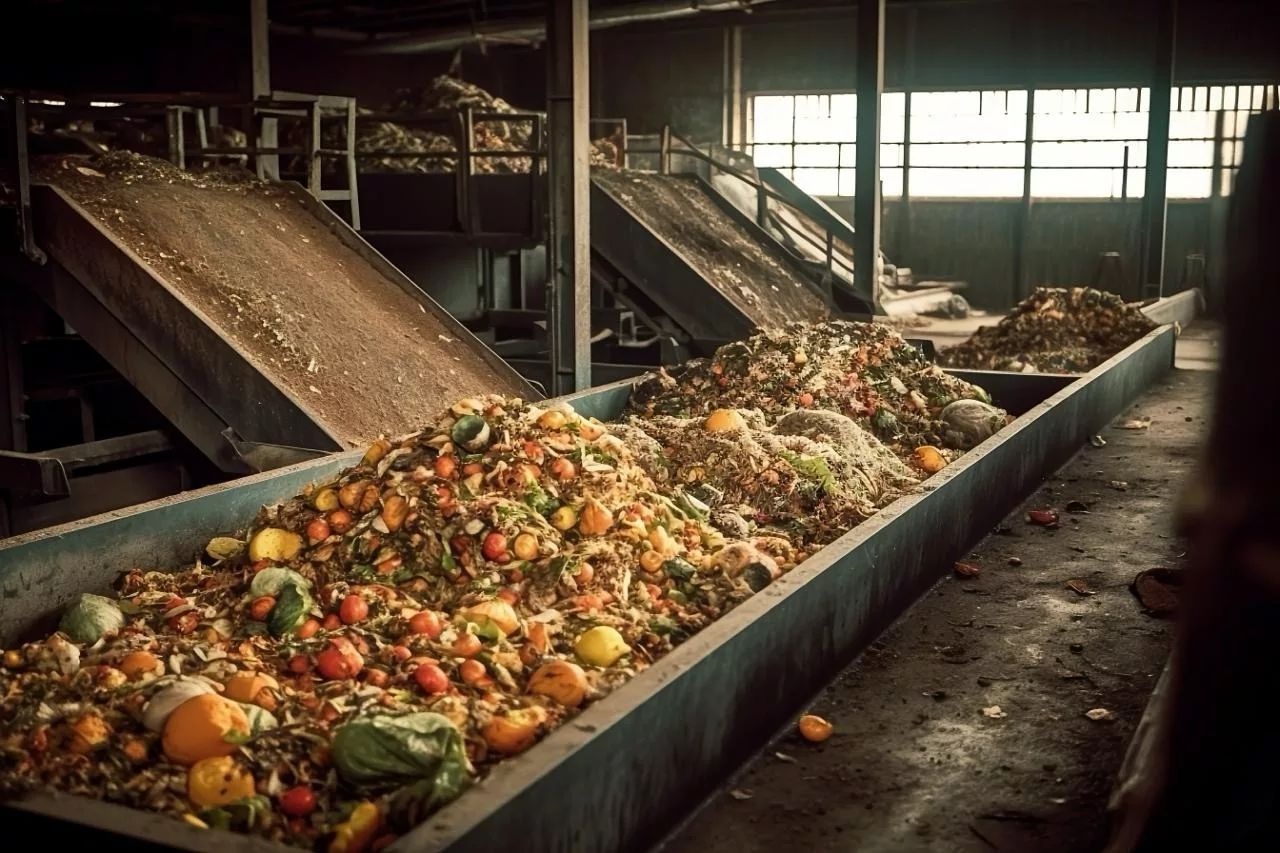
The management of organic waste is one of the operational challenges faced by companies, including Agincourt Resources. Daily activities at the Mess Hall, which serves as an employee dining facility, generate food waste particularly vegetable and fruit scraps that decompose quickly and may cause unpleasant odours and environmental pollution if not managed properly.
In response to this challenge, Agincourt Resources has adopted the Orca Digester, a modern and sustainable technological innovation for organic waste processing.
The Orca Digester is a system specifically designed to process organic waste, especially vegetable and fruit scraps, into liquid that can naturally decompose. Through this process, organic waste that would otherwise accumulate and decompose rapidly can be treated directly at its source, namely the Mess Hall. As a result, the volume of waste sent to landfill sites can be significantly reduced, while also minimising the potential generation of greenhouse gas emissions commonly produced during organic waste decomposition.
The operation of the Orca Digester at the Mess Hall is simple, safe, and hygienic. Vegetable and fruit scraps from kitchen activities can be fed directly into the system without requiring complex sorting procedures. Issues related to unpleasant odours and limited storage capacity for organic waste can therefore be effectively minimised.
The liquid output produced by the Orca Digester is environmentally safe and has the potential to be further utilised, including as:
- Liquid fertiliser.
- Feedstock for biogas, when supported by additional processing systems.
The implementation of the Orca Digester is aligned with Agincourt Resources’ commitment to supporting the principles of Environmental, Social, and Governance (ESG), particularly in responsible waste management. This technology also encourages the adoption of the zero-waste concept within the Mess Hall, ensuring that food waste is no longer viewed merely as waste, but as a resource that can be reused.
From an economic perspective, the use of the Orca Digester provides added value to the company. The reduction in organic waste volume directly contributes to lower costs for waste transportation and external waste management services. At the same time, the utilisation of processed outputs for fertilising gardens and green areas around the mine site supports environmental rehabilitation efforts. This process also helps raise employee awareness of the importance of managing waste at its source, including within the Mess Hall.
The implementation of the Orca Digester at the Mess Hall of Agincourt Resources represents a tangible step towards building a sustainable workplace culture. In addition to fulfilling the company’s environmental responsibilities, the system reflects a strong commitment to innovation and smart operational practices. Through the adoption of this technology, Agincourt Resources not only reduces the environmental impact of its daily activities but also sets an example for the mining industry in implementing modern, effective, and sustainable solutions for managing vegetable and fruit waste.