Have you ever noticed a male bird with brighter plumage while the female appears more understated? Similar differences can also be found in dragonflies and butterflies. Although they belong to the same species, males and females can have distinct appearances. This phenomenon is known as sexual dimorphism.
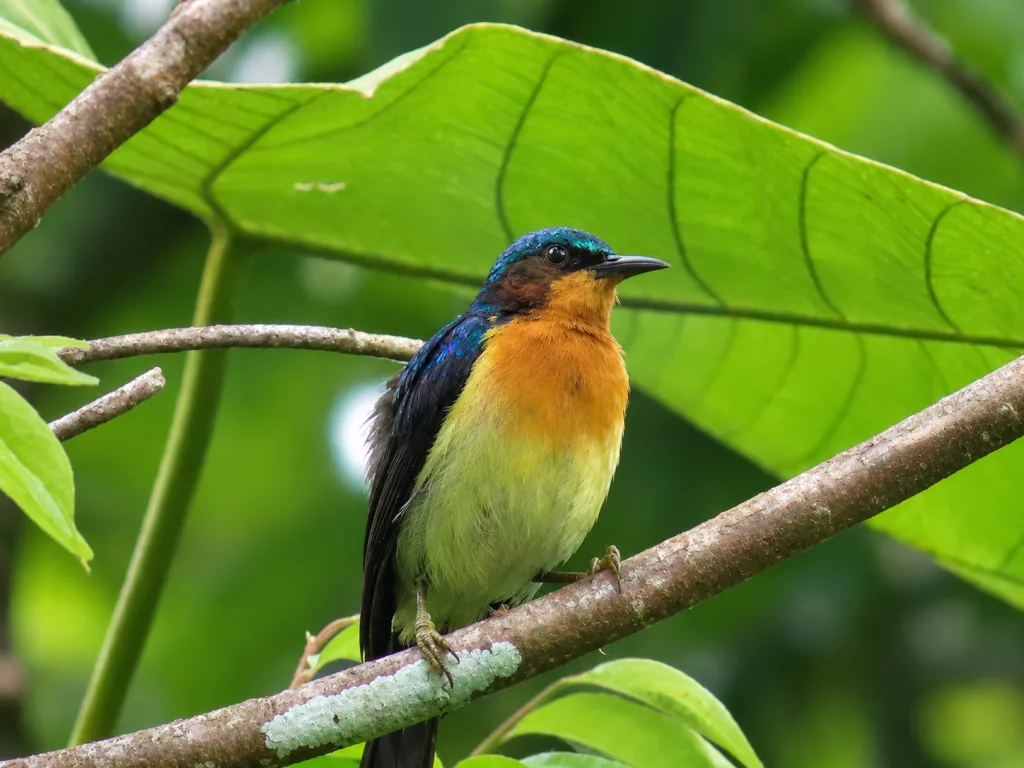
The term dimorphism comes from the Greek word dimorphos, meaning “two forms”. In the animal kingdom, sexual dimorphism refers to differences in characteristics between males and females of the same species. These differences can be seen in colour, body size, wing shape, body ornaments and even behaviour.
These differences in appearance are not simply a matter of beauty. In some animals, certain characteristics are associated with finding mates, competing with others and surviving in their surroundings.
From Competition to Mate Choice
One factor that contributes to the development of sexual dimorphism is sexual selection, a process in which certain characteristics increase an animal’s chances of successfully finding a mate.
Sexual selection can occur through competition between individuals of the same sex or through mate choice. In some animal species, males may compete with other males to attract a mate or defend a territory. Males that are stronger, larger or possess particular physical characteristics may have an advantage in such competition.
In other species, females may choose mates based on certain characteristics, such as bright body colours, tail shape or vocalisations. If these characteristics continue to be favoured from one generation to the next, the differences between males and females can become increasingly pronounced.
Beyond sexual selection, differences between males and females may also be related to their respective roles and needs. In some bird species, for example, females incubate eggs and protect their young. A more subdued body colour that blends with the surrounding environment can help females remain camouflaged and less visible to predators while incubating their eggs.
This fascinating phenomenon can also be observed in the Batang Toru Ecosystem. At least three groups of fauna found here display sexual dimorphism: birds, dragonflies and butterflies.
Birds: Colour as an Attraction
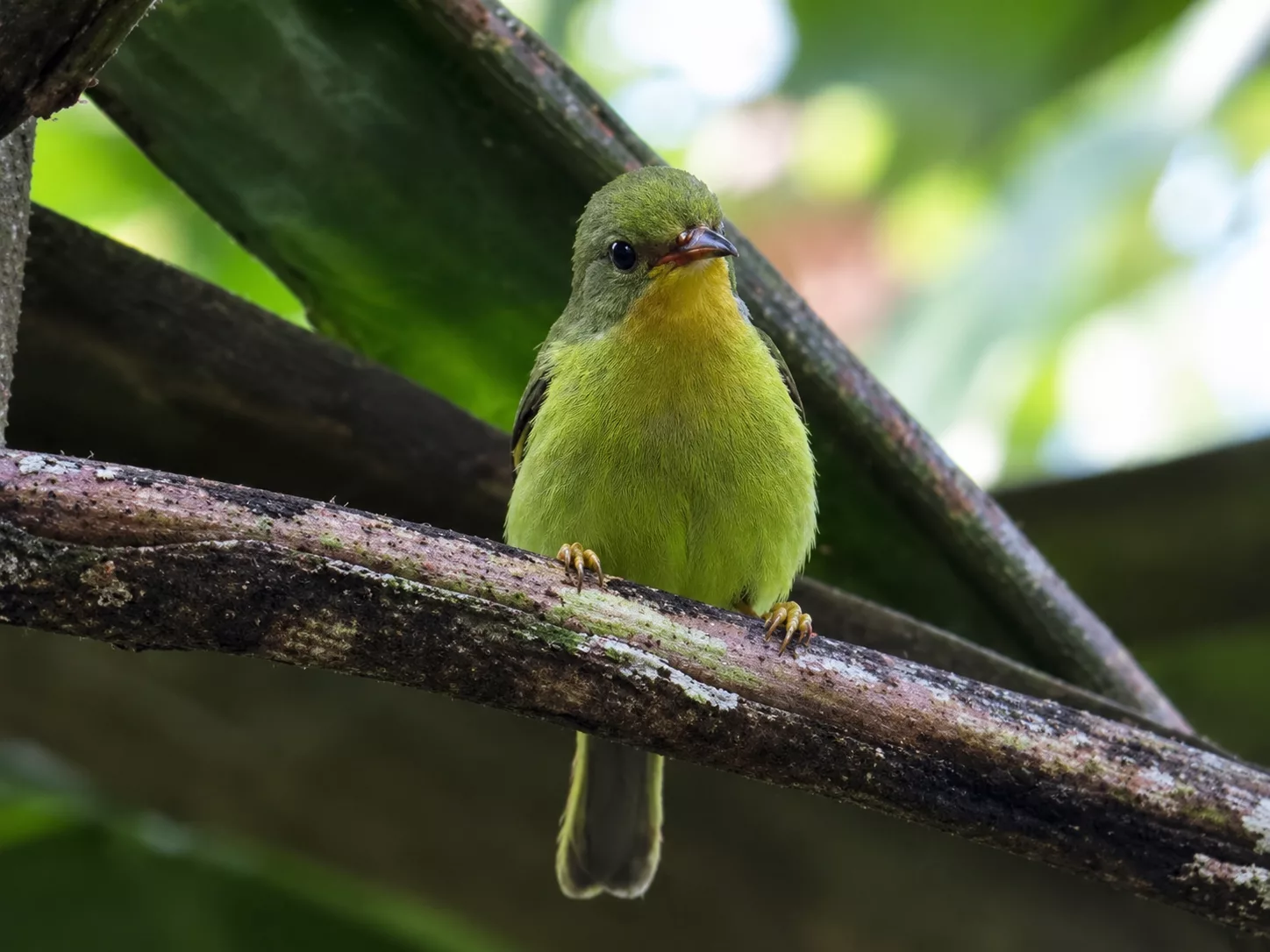
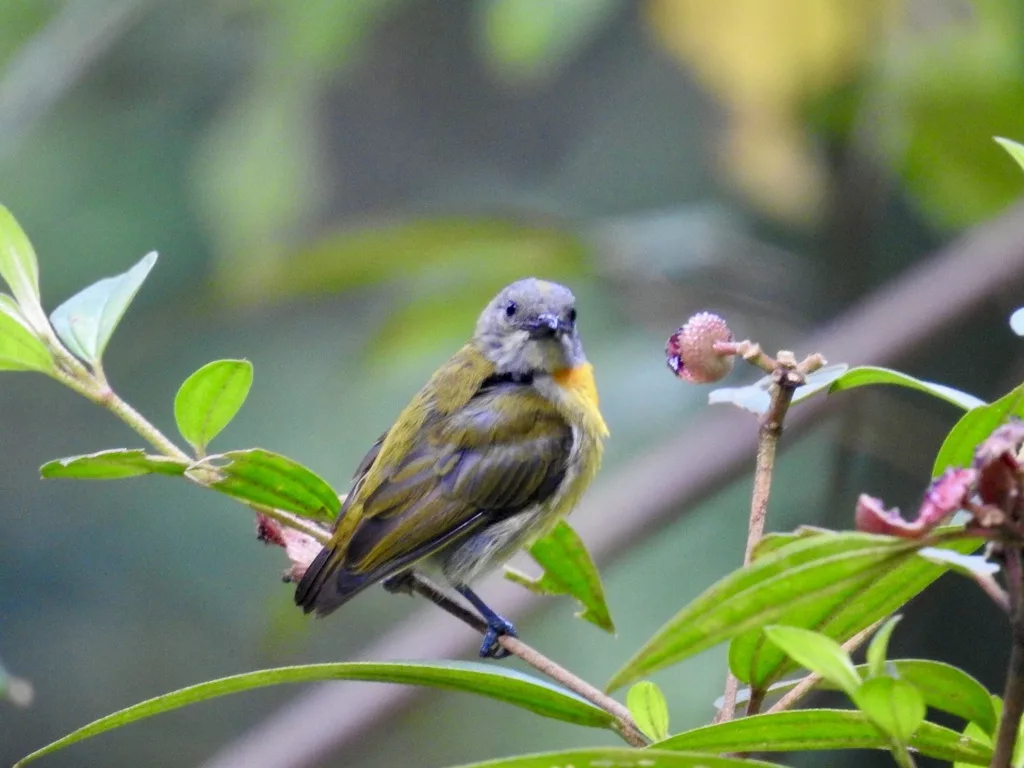
In birds, sexual dimorphism is most easily recognised through differences in colour. Males generally have brighter and more striking plumage than females. These characteristics are thought to be associated with attracting mates and demonstrating an advantage in competition with other males.
By contrast, females of several species have more subdued and less conspicuous colours. Such appearances can help camouflage their bodies within the surrounding environment, particularly while incubating eggs.
Several birds in the Batang Toru Ecosystem that display sexual dimorphism include the Orange-bellied Flowerpecker (Dicaeum trigonostigma), Crimson-breasted Flowerpecker (Prionochilus percussus), Brown-throated Sunbird (Anthreptes malacensis) and Ruby-cheeked Sunbird (Chalcoparia singalensis). The differences in colour among these birds offer one of nature’s ways of showing that beauty does not always appear in the same form.
Dragonflies: Striking Red, Protective Yellow
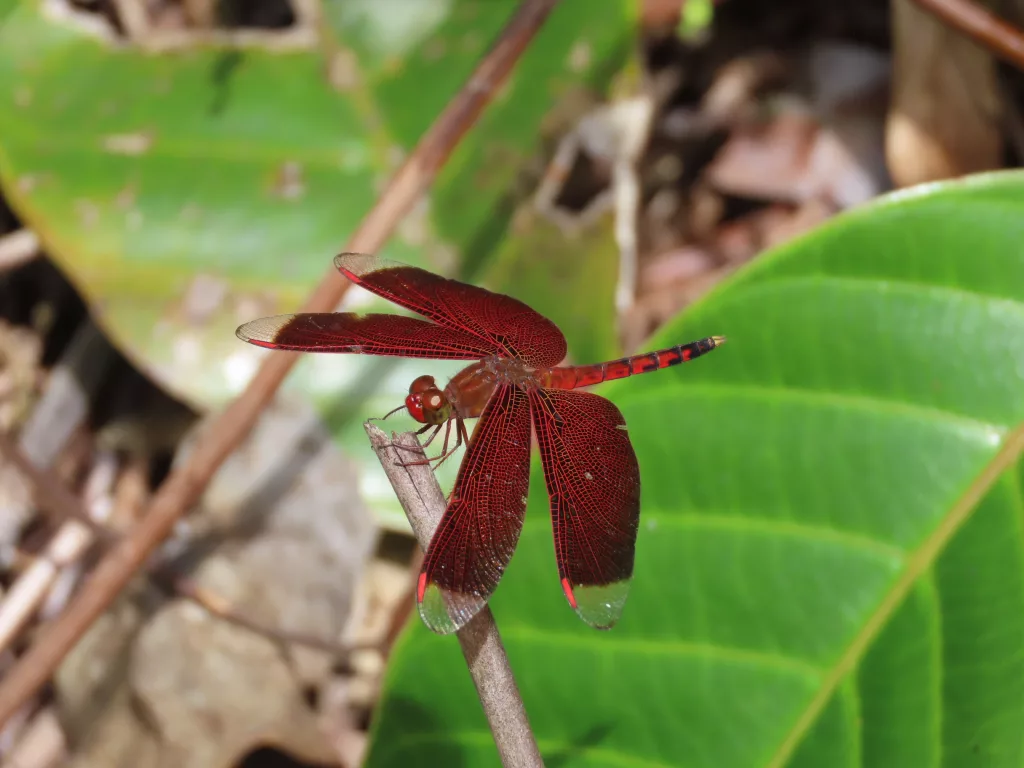
Sexual dimorphism in dragonflies can also be observed through differences in body colour. One example is the Termite Dragonfly (Neurothemis terminata).
Adult males have a striking dark red colour, while females tend to be yellowish-brown. Their contrasting colours can make them appear, at first glance, as though they belong to different species, even though they are actually the male and female of the same species.
In males, the striking colouration is thought to play a role in attracting females, while also helping them display or defend their territories. Meanwhile, the female’s softer colouring may help reduce attention from predators while she is in her surroundings.
These differences in colour reveal how a single species can have two remarkably different appearances, with each serving its own role in the animals’ lives.
Butterflies: Different Wings, Equal Beauty
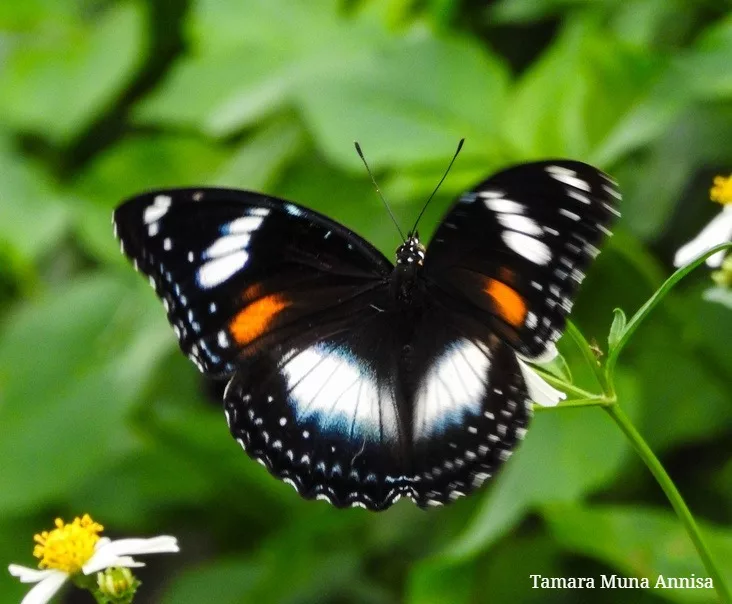
Butterflies are another group of fauna that clearly display sexual dimorphism, particularly through differences in wing colour and patterns.
One example is Hypolimnas bolina. Males have dark brownish-black wings with white patches that can reflect a bluish-purple sheen. Females, meanwhile, are generally brown with white or orange bands and have a larger body size.
These differences show how each sex can possess distinct characteristics. In males, the striking sheen and wing patterns are thought to be associated with attracting the attention of females.
Two Forms, One Life
Sexual dimorphism reveals one of the ways nature creates diversity within a single species. Striking colours, larger bodies or different wing patterns are not merely ornaments; they can be connected to how animals find mates, compete, protect themselves and survive.
Amid the rich biodiversity of the Batang Toru Ecosystem, these differences remind us that every living creature has its own way of navigating life.
One species can have two forms. Different in colour and shape, yet still living as part of the same ecosystem. This is where nature reveals its beauty not only through what we can see, but also through the unseen roles behind every difference.