Have you ever noticed a male bird with brighter plumage while the female appears more understated? Similar differences can also be found in dragonflies and butterflies. Although they belong to the same species, males and females can have distinct appearances. This...
Understanding the Role of Snakes in Ecosystems
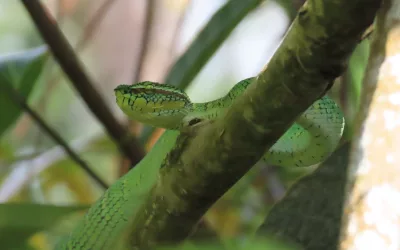
Lying still behind bushes, hiding among leaf litter, or moving slowly through the trees. This is how snakes live in the wild. Although they are often considered frightening when they appear near people, snakes generally prefer to avoid humans rather than confront...
Reading Wildlife Signs Behind Operational Activities
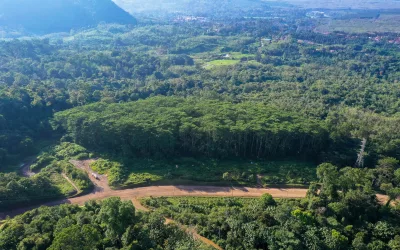
How does the team identify wildlife living around the work area? Biodiversity monitoring is not simply about recording animals that are seen. It involves a range of scientific methods to identify wildlife presence, activity and condition, while minimising disturbance...
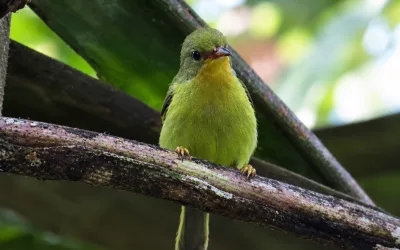
Bird Monitoring Supports Biodiversity Conservation Efforts in Conservation Areas
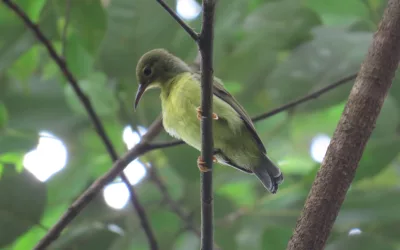
The presence of birds can serve as an important indicator of ecosystem health. In Agincourt Resources’ conservation areas, the Biodiversity Team of the Biodiversity and Environmental Strategic Development (BESD) Department regularly conducts monitoring activities to...
Understanding Dragonflies as Bioindicators of Environmental Quality
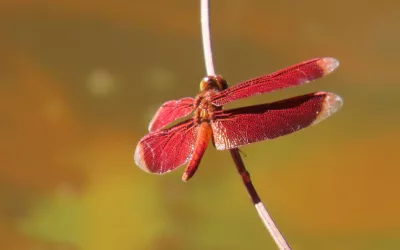
Dragonflies are more than just insects found around water bodies. Their presence can serve as a natural indicator of ecosystem health, particularly the quality of freshwater environments. Dragonflies belong to the order Odonata, which comprises true dragonflies...
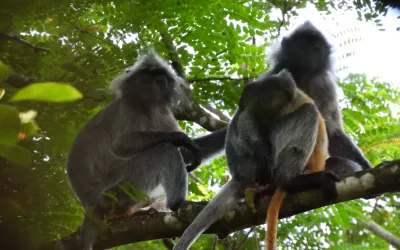
Protecting the Canopy, Safeguarding the Silvery Lutung: Getting to Know the Silvery Lutung, a Protected Tree-Dwelling Primate
Among the lush forest canopy, the silvery lutung (Trachypithecus cristatus) spends most of its life in the trees. This medium-sized primate can be found in coastal, mangrove, and riverine forests across Sumatra, Borneo, and Java, as well as parts of the southwestern...
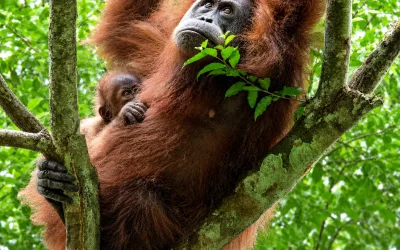
Four Ways Primate Mothers Raise Their Young in the Batang Toru Forest
Deep within the lush Batang Toru Forest, each primate species has its own unique way of ensuring the survival of future generations. For them, the forest is not only a place to find food, but also a learning environment where young primates develop essential skills,...
Understanding Nature, Strengthening Biodiversity Protection
As part of its commitment to biodiversity protection and sustainable environmental management, Agincourt Resources has implemented Bioacoustic Monitoring as a scientific approach to monitor biodiversity conditions surrounding the operational area and conservation...
Arboreal Bridges: Sustaining Ecological Connectivity at the Martabe Gold Mine
In the forest, the canopy is more than just a collection of branches. For primates, it is a vital pathway—where they move, forage, and interact without descending to the ground. Yet when landscapes change, this connectivity is often disrupted. At the Martabe Gold...