Have we ever truly taken the time to observe the forest?
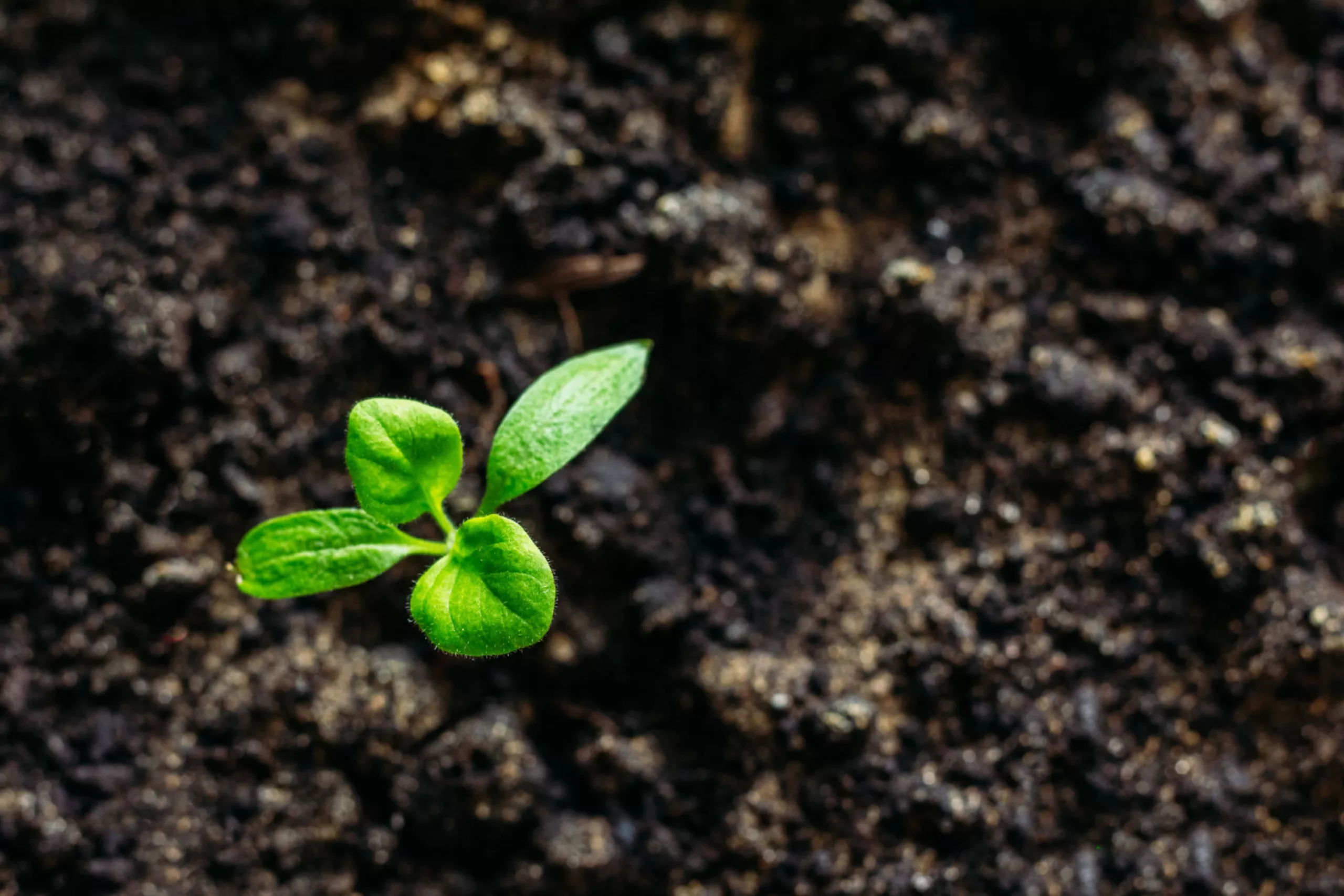
At one moment, tender green shoots begin to emerge. Soon after, bursts of yellow blossoms color the canopy, eventually giving way to ripened fruits. These shifts are not merely routine cyclesthey are nature’s way of communicating.
Signals of seasons.
Signals of life.
And for many species, including the orangutan, they are essential to survival.
Behind these changes lies a science that helps us interpret them: phenology.
Phenology examines how plants and wildlife respond to environmental variations ranging from sunlight and temperature to humidity. From this, we gain a fundamental insight: ecosystems operate through highly precise interconnections.
From Knowledge to Action
For Agincourt Resources, phenology is more than theory it is a foundation for decision-making.
In post-mining rehabilitation, phenological data guides the optimal timing for seed collection and plant propagation. This ensures that land restoration is not carried out arbitrarily but aligned with the forest’s natural rhythms.
More importantly, phenology plays a critical role in understanding the wildlife within these ecosystems including the Tapanuli orangutan, a species highly dependent on natural food availability.
As an arboreal and primarily frugivorous species, orangutans spend most of their lives in trees, relying on fruits, young leaves, and other plant parts. When trees fail to fruit, their food sources are directly impacted.
This is where phenology becomes essential: enabling us to identify when and where food resources are available.
Collaboration for Conservation
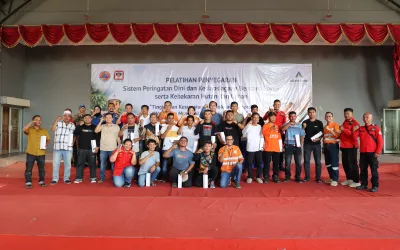
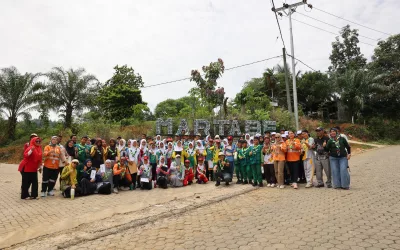
To strengthen these efforts, Agincourt Resources collaborates with the Faculty of Forestry at the University of North Sumatra (USU) to train field teams in phenological observation and application.
The training integrates classroom learning with field practice covering theoretical foundations, observation techniques, data analysis, and occupational safety. Beyond training, the team has established permanent monitoring plots in areas that serve as orangutan habitats.
Selected tree species, such as Ficus and Dipterocarpus, are critical food sources for orangutans. Each tree is carefully tagged and monitored monthly tracking the development of young leaves, flowers, and fruit.
Observations are conducted systematically and quantitatively. The resulting data represents more than numbers it provides a real-time narrative of forest dynamics.
Maintaining Balance, Beyond Monitoring
Through this data, the team can map patterns of natural food availability for orangutans throughout the year. This forms a critical basis for biodiversity management ensuring that habitats continue to sustain wildlife populations.
This effort is reinforced through:
- Routine monthly monitoring by trained teams
- Expansion of observation plots in strategic areas
- Strengthened collaboration with academic institutions
All directed toward a single objective: sustaining ecological balance.
Learning from Nature, Acting with Responsibility
Phenology teaches a simple yet profound lesson: nature is constantly communicating—if we choose to listen.
For Agincourt Resources, interpreting these signals is part of a broader commitment: ensuring that operational activities coexist with the preservation of surrounding ecosystems. Because ultimately, sustainability is not only about today but about ensuring that nature continues to signal life for generations to come.