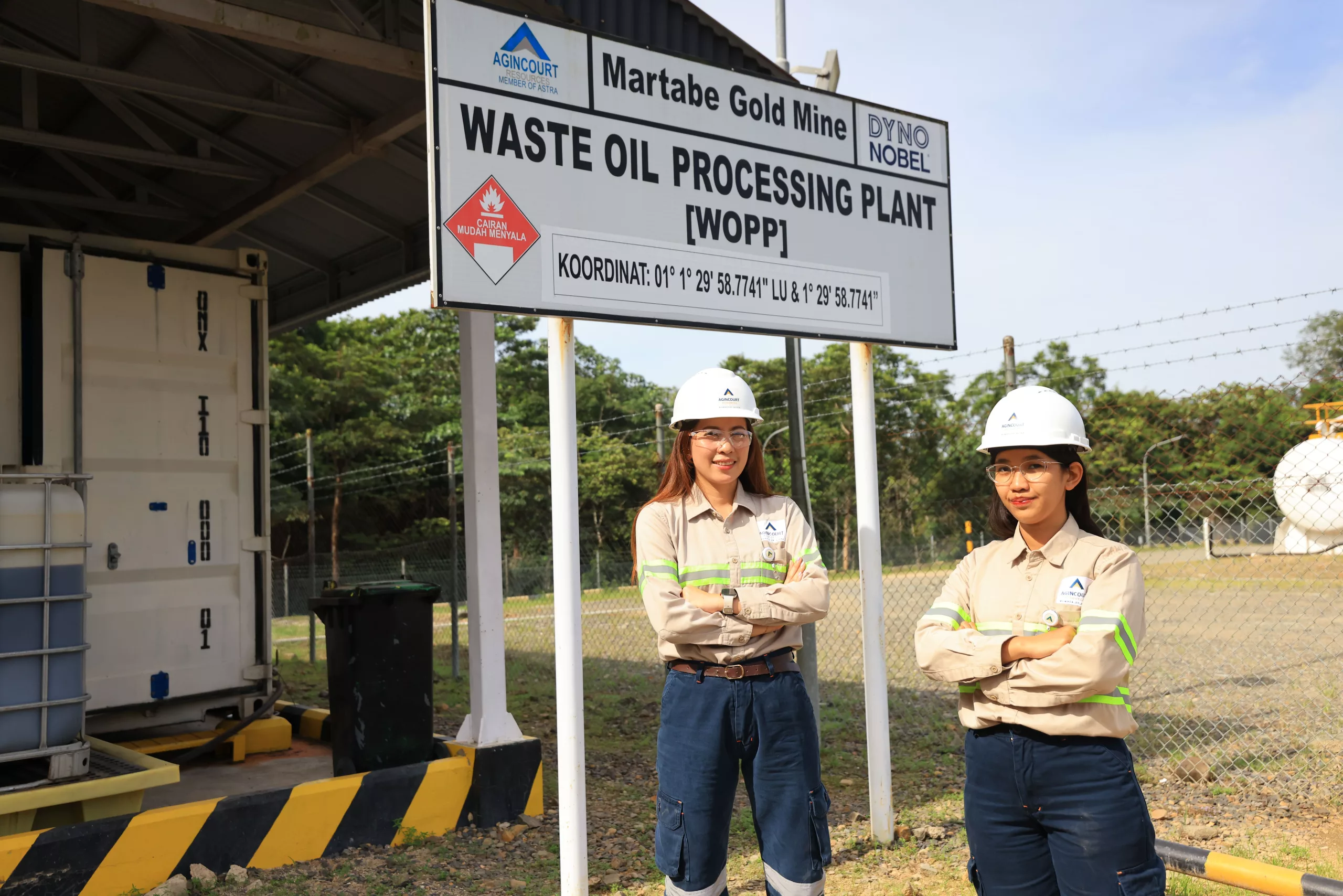
In the mining industry, waste management plays an important role in supporting responsible and sustainable operations. One type of waste requiring special handling is used oil waste generated from the operation of heavy equipment, vehicles, generators, and various other mechanical equipment. If not properly managed, this waste has the potential to cause contamination to soil, water, and the surrounding environment.
As part of its commitment to sustainable mining practices, Agincourt Resources has implemented a used oil waste management strategy through the Waste Oil Processing Plant (WOPP) programme. The programme utilises used oil as a substitute material in blasting operations, allowing waste that previously required specialised disposal to be reused within operational processes that still hold technical value.
In its implementation, the WOPP programme uses a material mixture containing approximately 80 per cent used oil as a substitute supporting material for blasting activities. This approach forms part of the Company’s application of the principles of reduce, reuse, recovery, waste minimisation, and circular economy in operational waste management. Through this utilisation process, the volume of used oil waste requiring storage or external disposal can be significantly reduced.
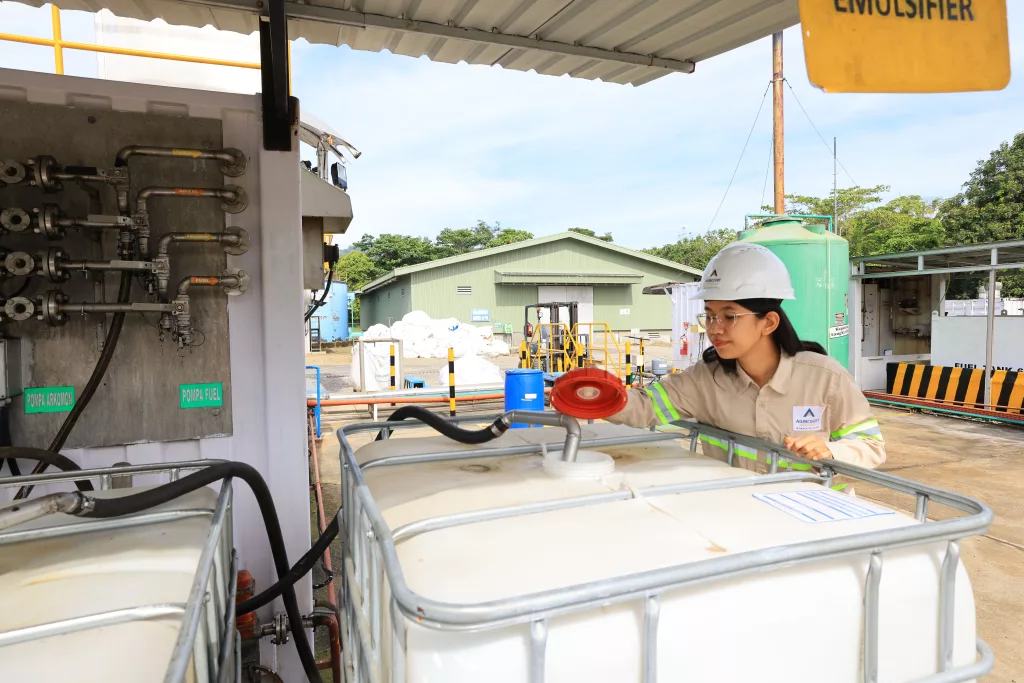
The management of used oil waste begins with proper segregation and standardised storage procedures, including the use of specially labelled containers, secondary containment systems, and protected storage areas designed to minimise spill risks and rain exposure. In addition, before being utilised in the WOPP programme, the used oil also undergoes quality control processes to ensure compliance with technical specifications and operational safety requirements.
Beyond improving waste management efficiency, the programme also helps reduce the need for transporting waste to external parties, thereby contributing to the reduction of indirect emissions associated with waste transportation activities. From an operational perspective, the implementation of WOPP also supports resource efficiency and the sustainable reduction of waste management costs.
As the programme involves flammable materials and blasting activities, the implementation of WOPP is supported by strict risk control measures, including the application of waste handling SOPs, regular inspections of storage facilities, worker training on hazardous material handling, the use of appropriate PPE, and emergency response preparedness. These measures are implemented to ensure that safety remains the highest priority throughout all stages of waste management and utilisation.
Through the implementation of the Waste Oil Processing Plant, Agincourt Resources continues to strengthen its commitment to innovative, responsible, and sustainable waste management practices. This approach forms an important part of supporting mining practices aligned with Environmental, Social, and Governance (ESG) principles while reinforcing the implementation of circular economy practices within the Company’s operational environment.