Every year on 5 June, the world marks World Environment Day (WED). This year, the United Nations Environment Programme (UNEP) has adopted the theme #NowForClimate, a call for tangible action in response to the increasingly urgent challenge of climate change. Hosted in Azerbaijan, this year’s observance forms part of the global effort to address the Triple Planetary Crisis: climate change, biodiversity loss, and pollution. This spirit is also aligned with Circular Letter No. 09 of 2026 issued by Indonesia’s Ministry of Environment.
As a gold mining company committed to responsible environmental management, the Martabe Gold Mine supports this call through sustainable waste management practices. In this context, the Zero Waste principle has become increasingly relevant—not merely as a slogan, but as a practical and measurable operational approach to reducing environmental impacts and supporting long-term sustainability.
What Is Zero Waste?
Zero Waste does not mean producing no waste at all. Rather, it is an approach that seeks to minimise waste generation at its source, maximise the reuse and recycling of materials, and ensure that any remaining waste is managed safely and responsibly.
At the Martabe Gold Mine, this principle is implemented through a waste management hierarchy consisting of Reduce, Reuse, Recycle, Recovery, and Dispose. This approach helps minimise environmental impacts while supporting operational efficiency.
The Four Pillars of Zero Waste at the Martabe Gold Mine
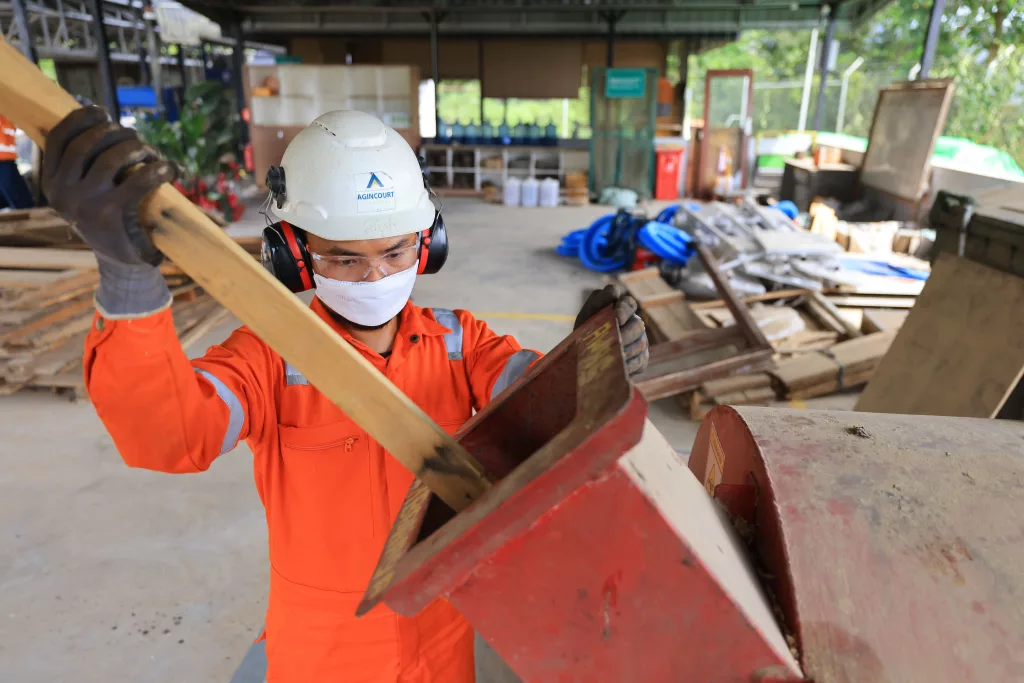
First, reducing waste at its source. This is achieved through the more efficient use of materials, packaging, and resources, thereby minimising the amount of waste generated.
Second, reusing materials that still have value. Before being classified as waste, materials are assessed to determine whether they can continue to be used effectively.
Third, recycling valuable materials.
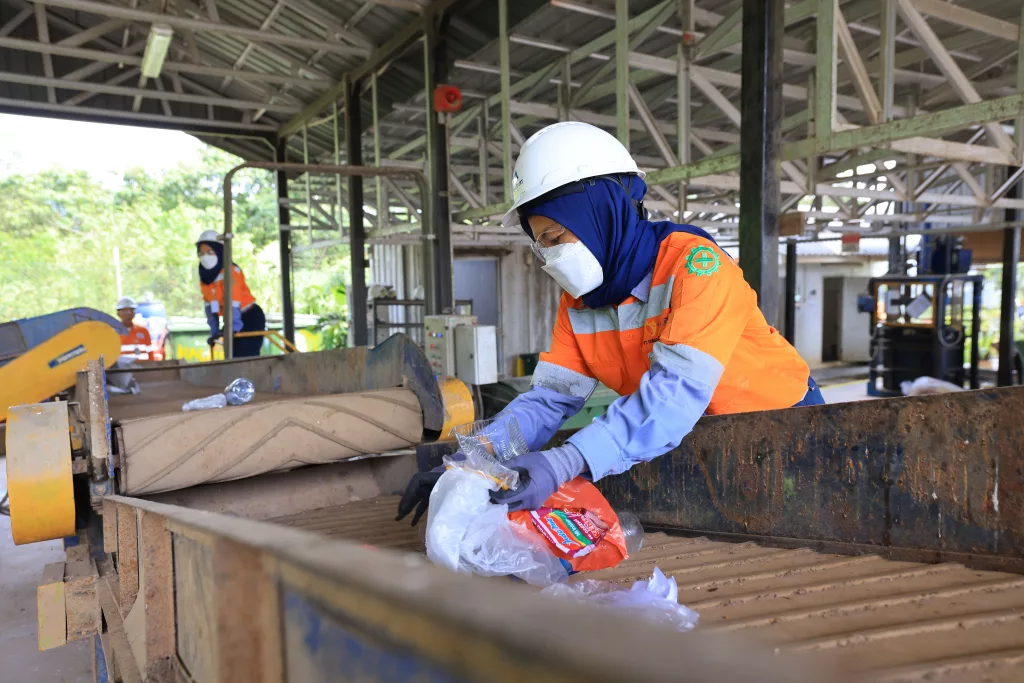
Materials such as metals, paper, and plastics are channelled to licensed waste management partners so that they can be reintroduced into the industrial cycle.
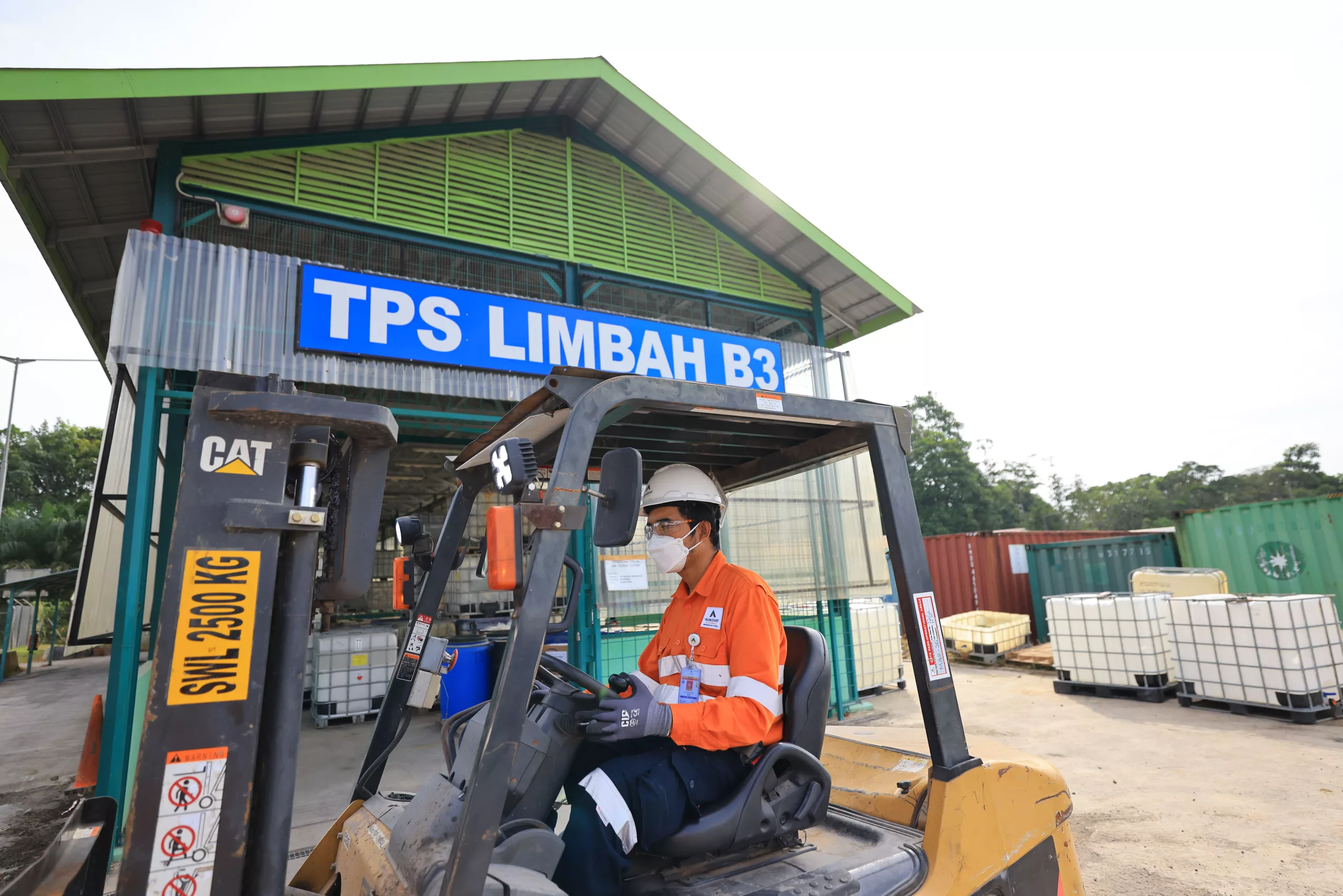
Fourth, managing hazardous waste responsibly. Hazardous and toxic waste is handled in accordance with applicable regulations, from storage and transportation through to treatment by authorised and licensed parties.
Managing Hazardous and Non-Hazardous Waste
Waste management is an essential part of the Martabe Gold Mine’s environmental commitment. For hazardous waste, including used oil, batteries, accumulators, lamps, and process chemicals, every stage of management is carried out in accordance with established standards and regulations to prevent adverse impacts on the environment and human health.
Meanwhile, the management of non-hazardous waste begins with segregation at the source. Separating organic, recyclable, and residual waste helps improve recycling effectiveness, reduce contamination risks, and support more efficient waste management practices.
What Can We Do?
The successful implementation of Zero Waste requires the participation of all Martabe Gold Mine employees. Some simple actions that can make a difference include:
- Segregating waste according to its category at the point of generation.
- Completing hazardous waste manifest documents accurately and comprehensively.
- Promptly reporting any potential spills, leaks, or non-compliance in waste management practices.
- Reducing the use of single-use items and adopting environmentally responsible habits in daily activities.
One Planet, One Commitment
World Environment Day 2026 serves as an important opportunity to strengthen our commitment to protecting the environment. Through the consistent application of Zero Waste principles, even small actions can contribute to meaningful and lasting environmental benefits.
Together, let us protect our planet. The time to act for the climate is now. #NowForClimate