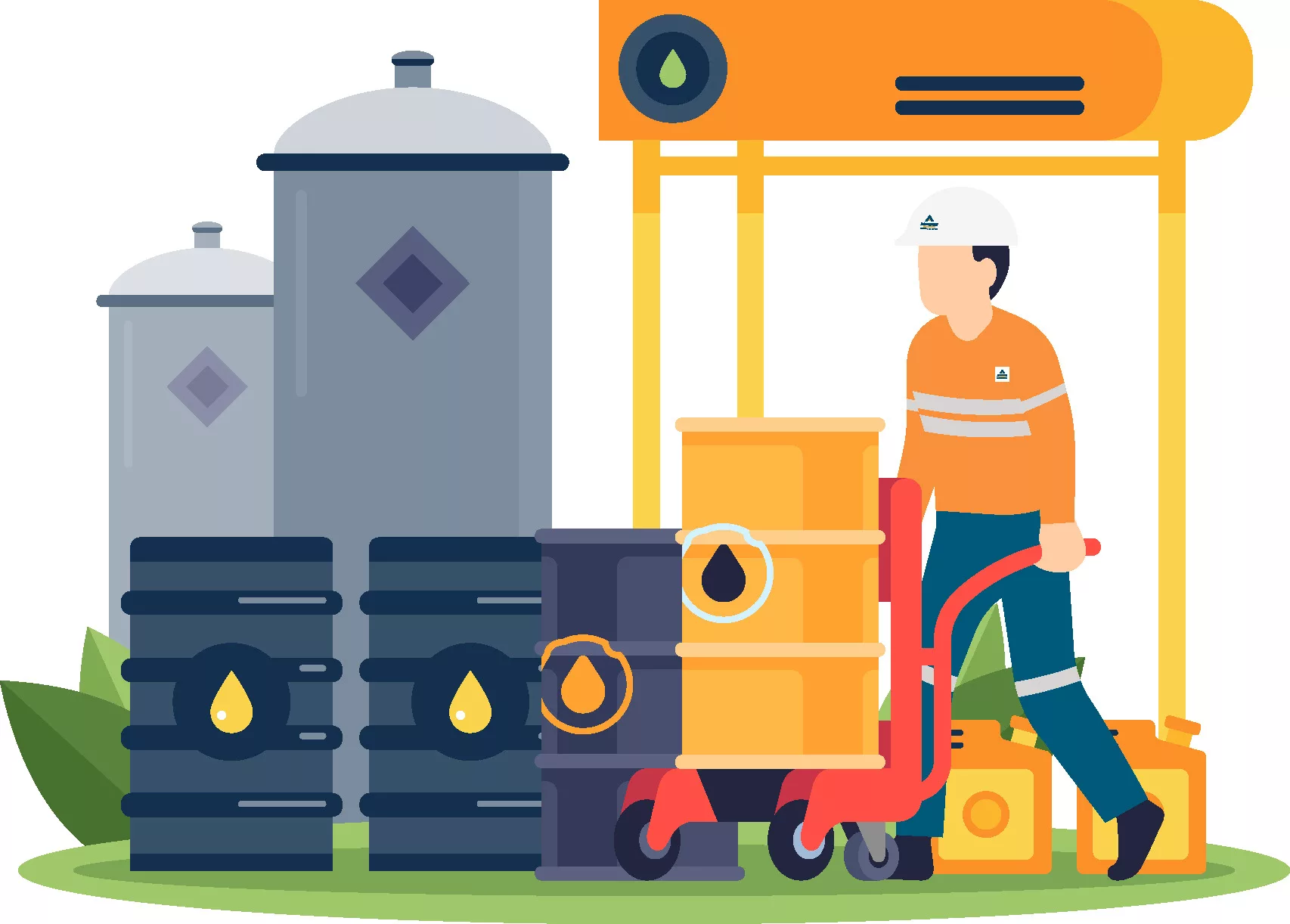
In modern mining operations, hydrocarbons play a vital role in supporting daily operational activities. Various types of hydrocarbons, including diesel fuel for heavy equipment, lubricating oils, grease, and hydraulic fluids, can be likened to the “lifeblood” that keeps operational systems running smoothly. Without these materials, mining activities would be difficult to carry out effectively and efficiently.
Despite their essential role, hydrocarbons also present significant potential risks if not properly managed. Fuel spills, oil leaks, or improper waste handling can lead to environmental pollution and pose hazards to worker safety. For this reason, hydrocarbon management is a key element in the implementation of responsible mining practices.
Use of Hydrocarbons in Operational Activities
At Agincourt Resources, hydrocarbons are used across various operational areas, ranging from heavy equipment refuelling stations and maintenance workshops to facilities for storing fuel, lubricants, and other supporting chemical materials. Each stage of use carries the potential risk of spills, leaks, or contamination.
If these risks are not effectively managed, their impacts may be directly felt by the surrounding environment, affecting soil, surface water, and groundwater. This is why hydrocarbon management is not merely a matter of regulatory compliance, but also a reflection of the Company’s commitment to environmental protection and long-term operational sustainability.
Prevention as a Core Principle
Effective hydrocarbon management is fundamentally based on the principle of prevention. Fuel and lubricant storage is carried out in specially designed facilities that meet safety standards. These facilities are typically equipped with secondary containment systems—additional structures designed to contain liquids in the event of a leak, preventing environmental contamination.
In operational areas, refuelling activities are conducted in a controlled manner, supported by clear procedures and adequate supervision. In addition, routine inspections of tanks, pipelines, hoses, and distribution equipment are essential to detect potential leaks at an early stage, before they develop into environmental incidents.
Preparedness in Incident Response
In addition to preventive measures, preparedness for incident response is an important aspect of hydrocarbon management. Areas with potential hydrocarbon exposure are ideally equipped with emergency response equipment, such as spill kits or other spill response tools.
Workers assigned to these areas are provided with training on the safe and proper handling of hydrocarbon spills. A prompt and coordinated response can limit the affected area, reduce further environmental risks, and protect worker safety. Every spill incident, regardless of scale, is recorded and evaluated as a learning opportunity to improve future management systems.
Management of Hydrocarbon-Contaminated Waste
Another critical aspect is the management of waste contaminated with hydrocarbons. Materials such as soil, cleaning cloths, absorbent sand, or contaminated equipment components must not be treated as general waste. Such waste is classified as Hazardous and Toxic Waste, meaning waste that, due to its characteristics and concentration, can pose risks to the environment and human health.
The management of Hazardous and Toxic Waste includes proper segregation, secure temporary storage, clear labelling, and transportation and treatment by licensed parties in accordance with applicable laws and regulations. Discipline in managing this type of waste is a key indicator of a mature and effective environmental management system.
Commitment to Responsible Mining Practices
For Agincourt Resources, hydrocarbon management is an integral part of its commitment to Good Mining Practice and the implementation of an environmental management system. While detailed technical aspects of internal procedures are not publicly disclosed, principles of pollution control, environmental risk prevention, and waste management are consistently applied throughout operational activities.
In the context of mining operations located near areas of high ecological value, a precautionary approach to hydrocarbon management becomes increasingly important to maintain a balance between operational activities and environmental protection.
Protecting the Environment for Future Generations
Ultimately, hydrocarbon management is not solely about regulatory compliance, but a reflection of corporate responsibility towards the environment and surrounding communities. Through careful planning, high operational discipline, and an environmentally conscious work culture, the risks associated with hydrocarbon use can be minimised. For Agincourt Resources, effective hydrocarbon management forms an essential foundation to ensure that today’s mining activities do not leave an environmental burden for future generations.