Amid the challenges of the global climate crisis and the limitations of fossil fuel resources, the transition to renewable energy has become a strategic imperative that cannot be delayed. Two technologies increasingly relevant in strengthening energy resilience are Floating Solar Panels (Floating Solar PV) and Microhydro Power Plants.
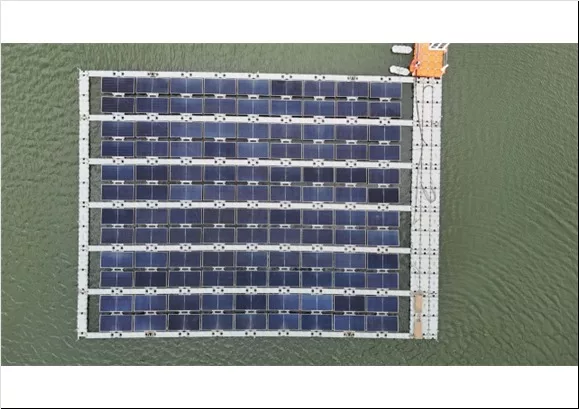
Floating Solar PV systems are installed on the surface of water bodies such as reservoirs or lakes. This technology offers higher efficiency, as the cooling effect of the water helps maintain optimal panel temperatures, thereby enhancing electricity generation. In addition, floating systems do not require land use, avoiding disruption to agricultural or conservation areas. They can also help reduce water evaporation, particularly during dry seasons. However, higher initial installation costs and specialised maintenance requirements in aquatic environments remain key considerations.
Meanwhile, microhydro technology harnesses the energy of flowing water to drive turbines and generate electricity on a small scale. Its primary advantage lies in its ability to operate consistently, provided water flow is maintained, making it a reliable energy source, particularly for remote areas. With a long operational lifespan, microhydro presents a sustainable solution for rural electrification. Nevertheless, it remains dependent on stable water discharge and is subject to potential sedimentation risks.
The combination of these two technologies demonstrates that renewable energy is not merely an alternative, but a vital pillar in achieving national energy resilience and advancing towards Net Zero Emissions. By harnessing sunlight and water responsibly, we not only generate electricity but also contribute to building a cleaner and more sustainable future.