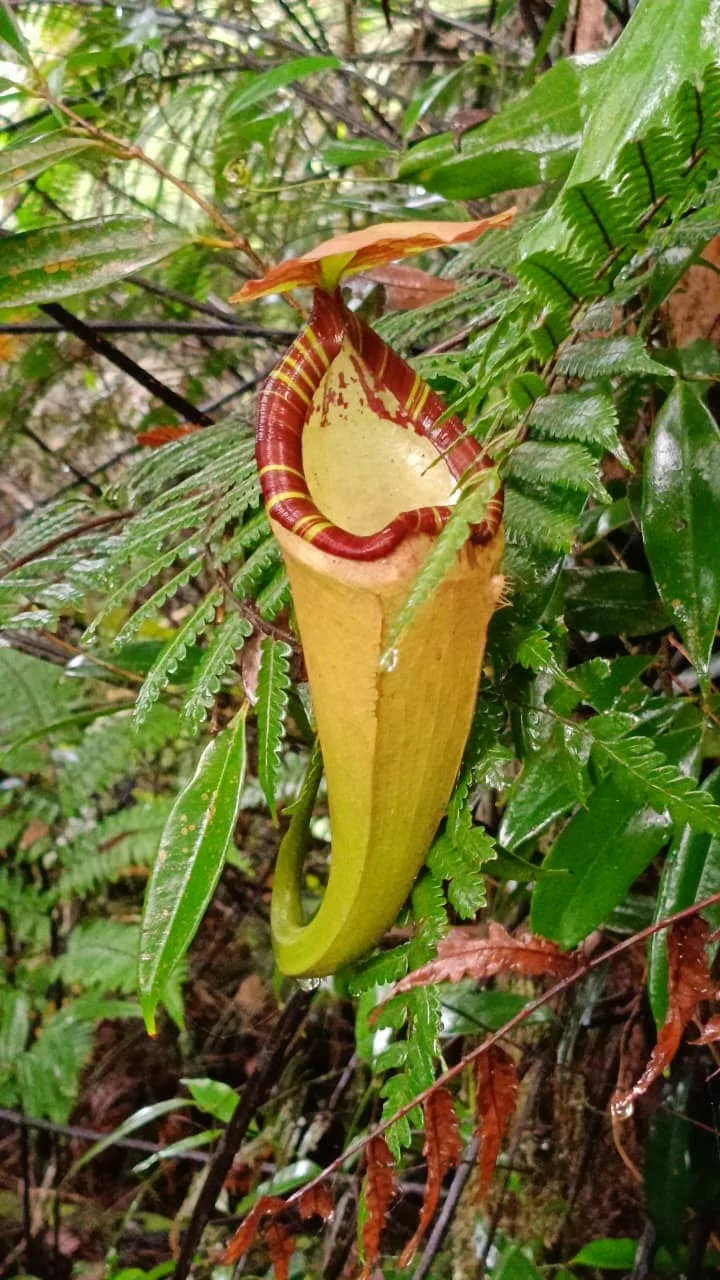
Behind its unique appearance, the Nepenthes plant, commonly known as the pitcher plant, plays an important role in maintaining the balance of tropical forest ecosystems. This carnivorous plant is recognised for its ability to trap insects using pitcher-shaped structures formed from modified leaves, making it one of the distinctive flora species found across the tropical regions of Southeast Asia, including Indonesia.
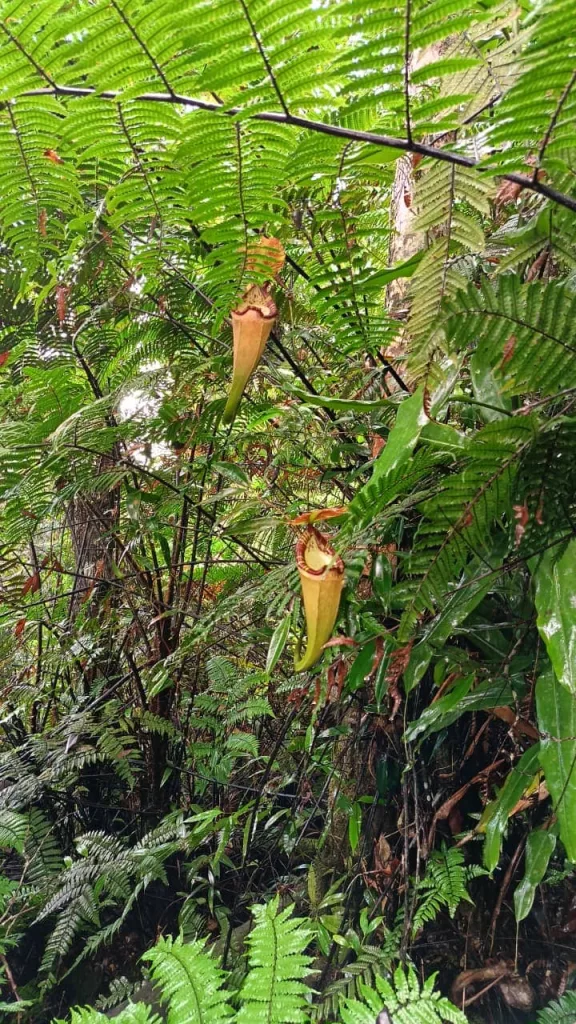
North Sumatra is considered an important habitat for various Nepenthes species. These plants can be found in lowland forests, peat swamps, and mountainous areas with high humidity levels. Several species identified in North Sumatra include Nepenthes gracilis, Nepenthes ampullaria, Nepenthes reinwardtiana, and Nepenthes sumatrana.
In addition to their distinctive appearance, pitcher plants also contribute to controlling insect populations and form an important part of tropical forest biodiversity. Their presence can even serve as an indicator of environmental conditions, as these plants are highly sensitive to habitat changes.
However, the existence of Nepenthes faces various threats, including habitat destruction, land clearing, forest fires, and illegal collection for ornamental plant trading. These challenges make conservation efforts increasingly important in preserving this unique flora.
As part of its commitment to biodiversity protection, Agincourt Resources continues to implement various environmental management initiatives around the operational area of the Martabe Gold Mine. These efforts include biodiversity monitoring, conservation area protection, as well as rehabilitation and revegetation programmes using native plant species.
Through regular flora monitoring activities, Agincourt Resources also documents the presence of various high-conservation-value plant species, including Nepenthes. In addition, the Company continues to support public awareness initiatives regarding the importance of preserving local flora through various environmental education programmes.
The existence of Nepenthes is not only part of North Sumatra’s rich biodiversity, but also a reminder that maintaining the balance of nature requires shared awareness and collaboration for a sustainable future.