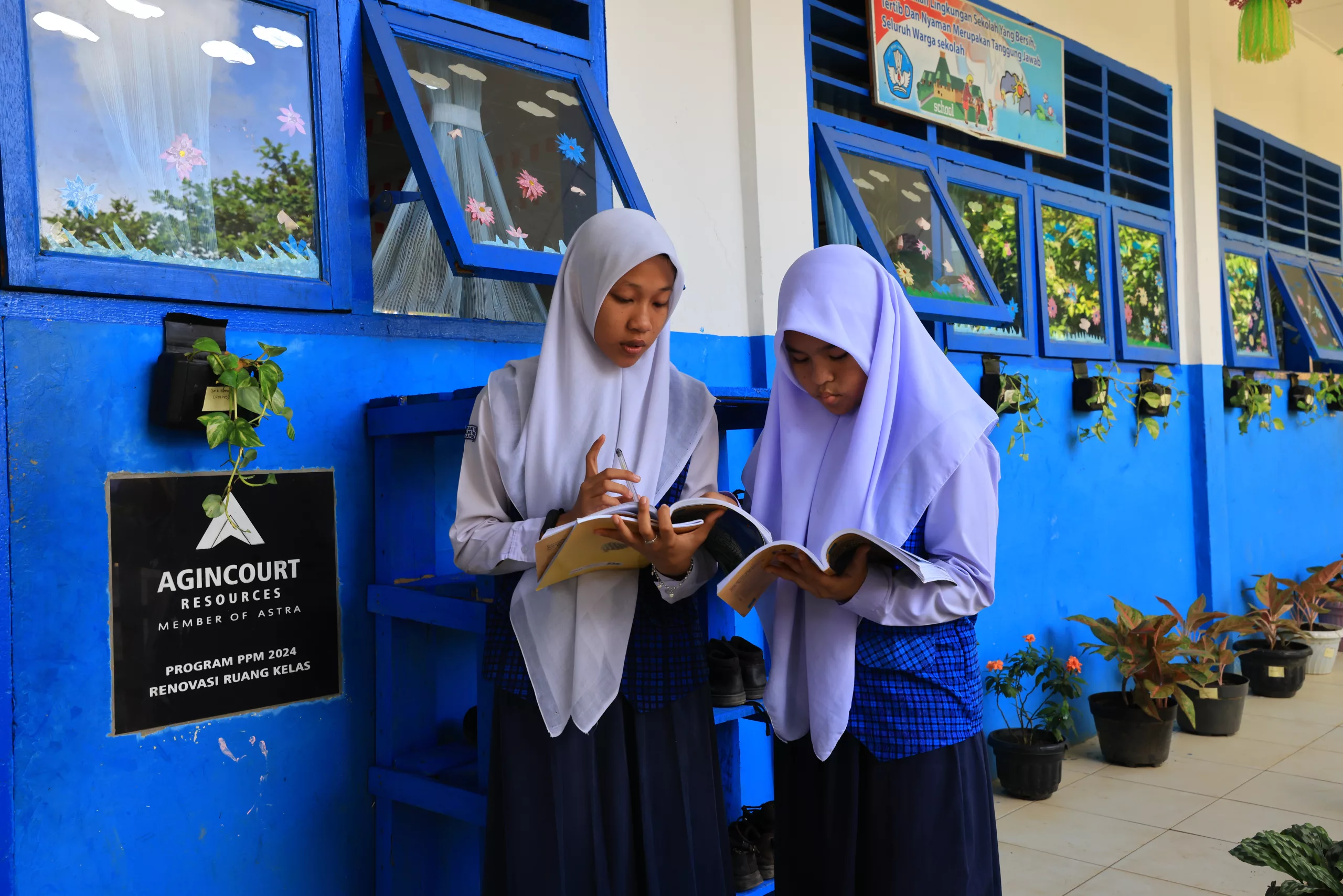
The mining industry plays a strategic role in supporting development through the supply of essential raw materials and its contribution to economic growth. However, behind this important role, mining activities also bring various challenges that must be managed responsibly, ranging from workplace safety and environmental protection to social relationships with communities surrounding operational areas. For this reason, the mining industry requires principles that ensure a balance between productivity and sustainability responsibility. These principles are known as Good Mining Practice (GMP), or the principles of responsible mining operations.
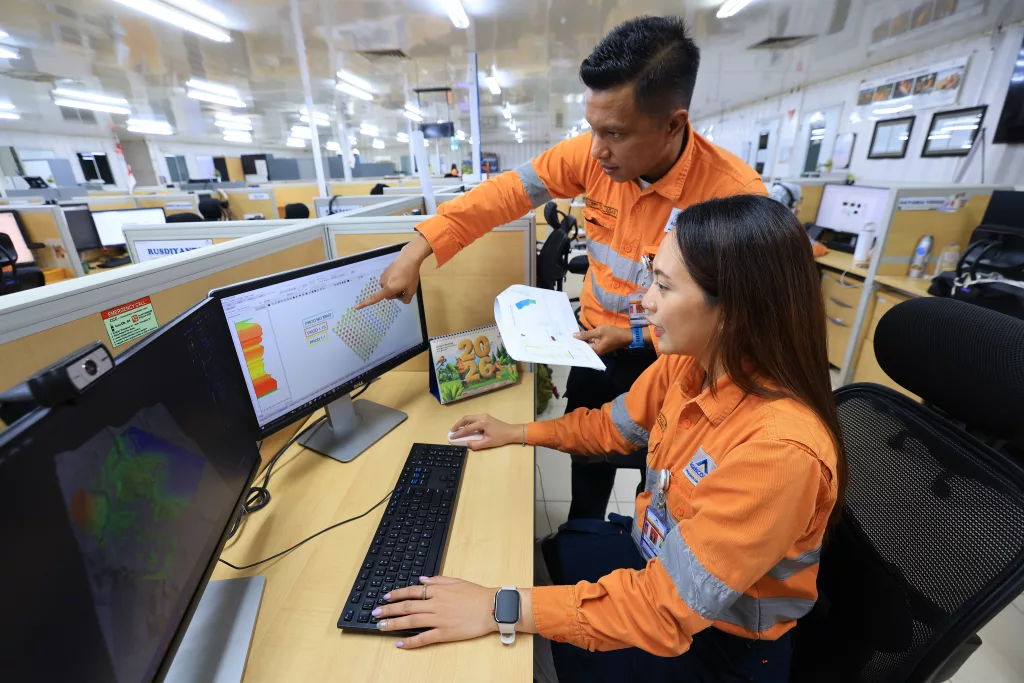
In Indonesia, the implementation of Good Mining Practice is not merely an operational standard, but a mandatory requirement regulated under Law Number 3 of 2020 and further strengthened through Ministerial Decree of the Ministry of Energy and Mineral Resources Number 1827 K/30/MEM/2018 as a technical guideline for conducting responsible mining activities.
In practice, Good Mining Practice begins at the mine planning stage. Companies cannot focus solely on extracting high-grade ore or cherry picking, but must ensure that mining plans are developed comprehensively, covering exploration, operations, and mine closure while referring to valid data and applicable technical standards.
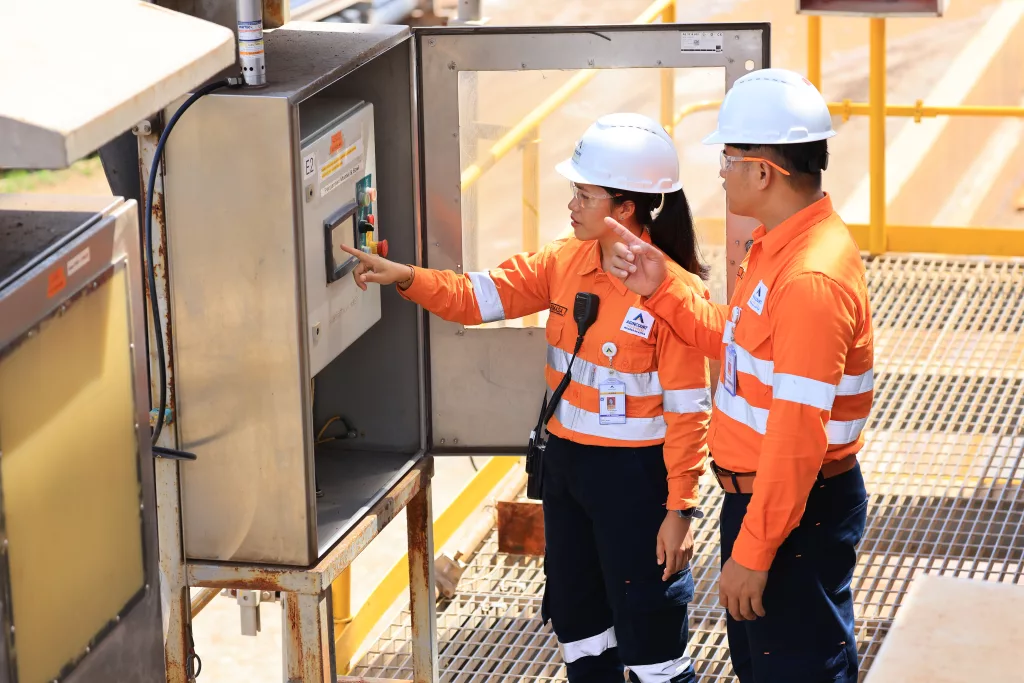
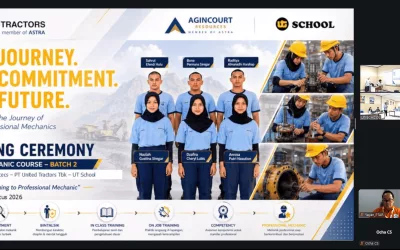
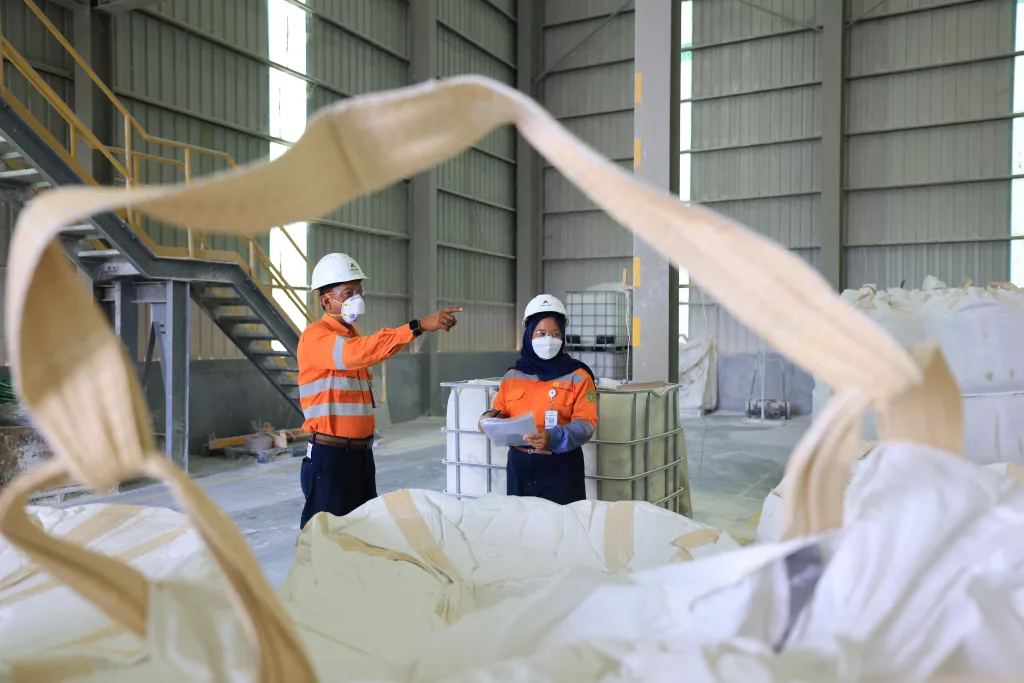
Safety remains one of the highest priorities in the implementation of GMP. All operational activities must be supported by the implementation of the Mining Safety Management System (SMKP), effective risk control measures, and ensuring that every worker possesses competencies aligned with their respective roles and responsibilities.
From an environmental perspective, GMP ensures that mined-out areas are not simply left unmanaged until the end of mine life. Top soil separated during the early stages of operations is carefully stored to preserve its quality, before being reused during reclamation and revegetation processes so that land can be progressively restored. The management of acid mine drainage and tailings is also carried out through systems and technologies specifically designed to minimise potential impacts on the surrounding environment.
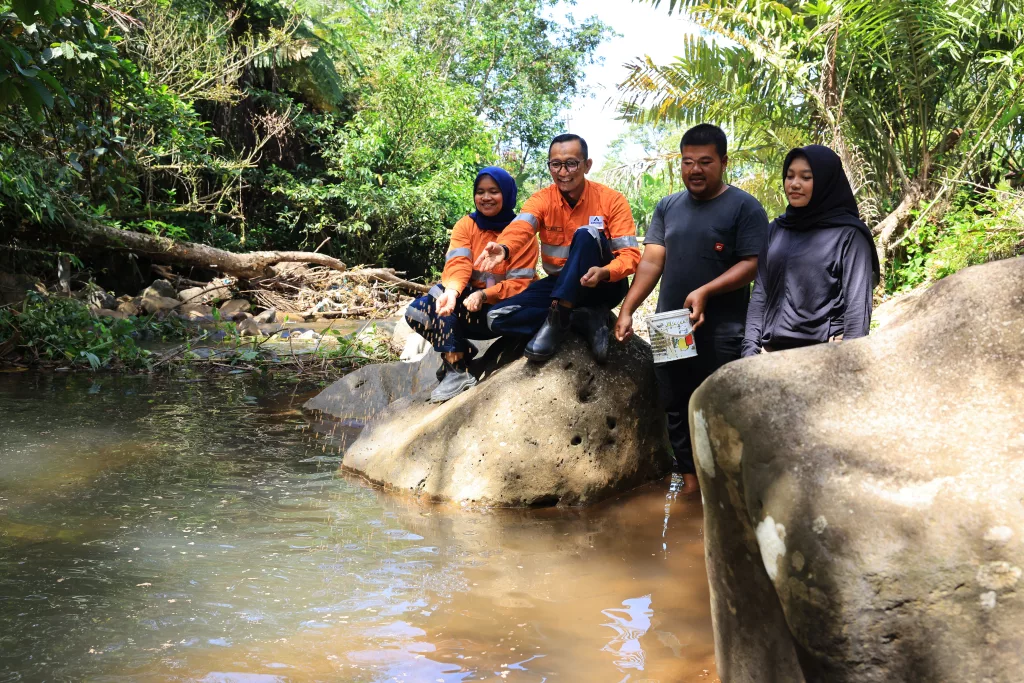
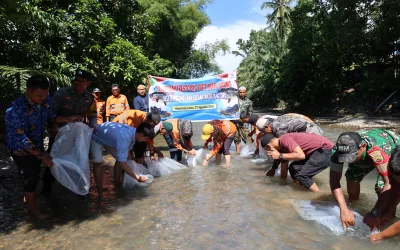
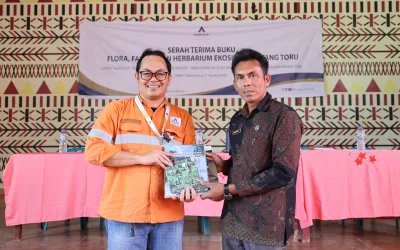
Beyond technical and environmental aspects, Good Mining Practice also places communities as an essential part of sustainable operations. Through Community Development and Empowerment Programmes mining companies must ensure their presence creates sustainable economic benefits, ranging from prioritising local employment opportunities, empowering local SMEs and vendors, to developing infrastructure that meets community needs. This approach forms an important part of maintaining the social licence to operate, or public trust towards company operations.
Although the implementation of GMP faces various challenges, including investment in environmentally friendly technology, complex geographical conditions, and pressure to meet production targets, these principles remain a critical foundation in ensuring mining operations are carried out responsibly and sustainably.
Through the consistent implementation of Good Mining Practice, the mining industry continues to demonstrate that responsible operations do not simply generate economic value, but also leave behind well-managed environments, stronger and more independent communities, and sustainable benefits for future generations.