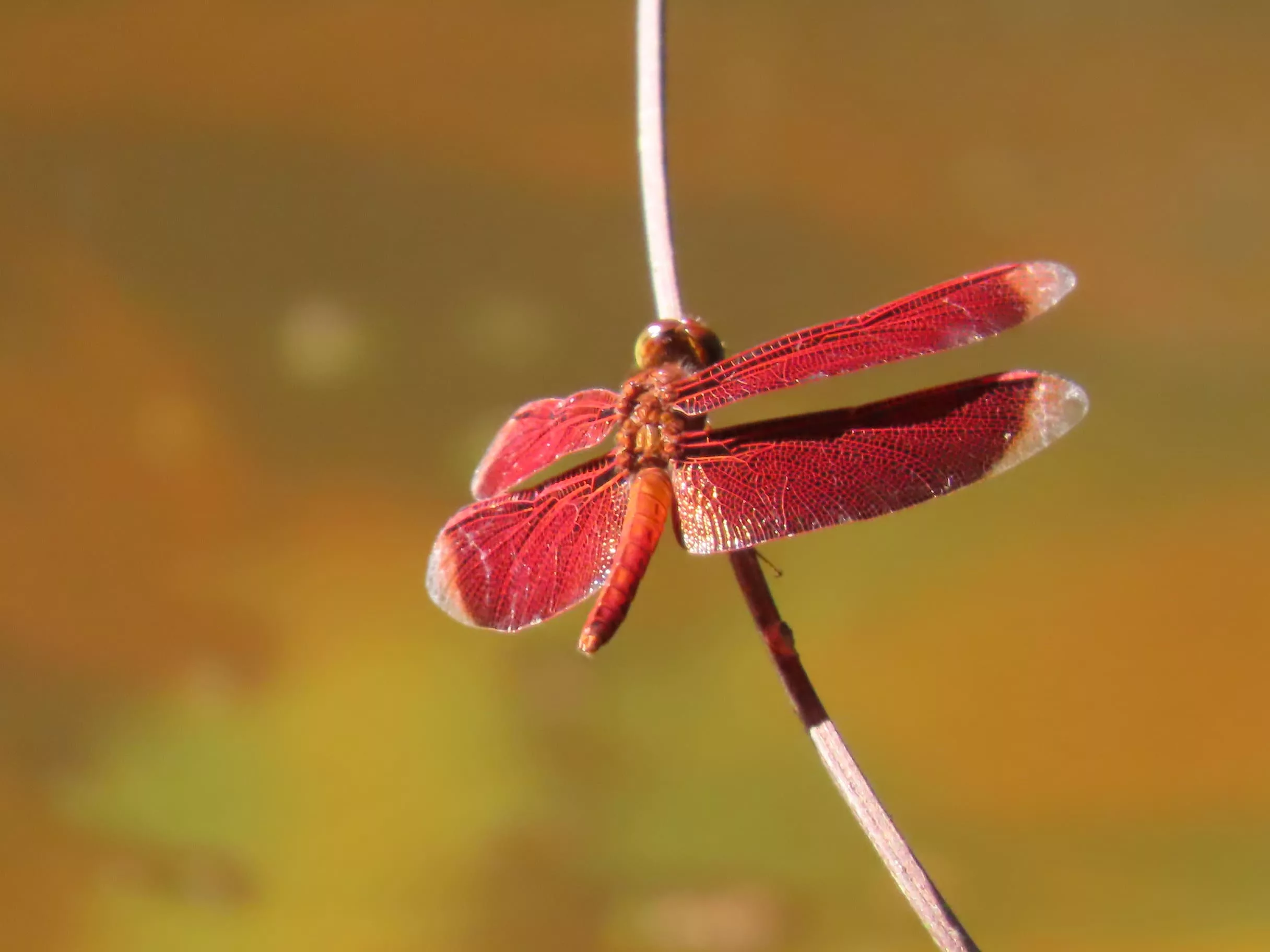
Dragonflies are more than just insects found around water bodies. Their presence can serve as a natural indicator of ecosystem health, particularly the quality of freshwater environments.
Dragonflies belong to the order Odonata, which comprises true dragonflies (Anisoptera) and damselflies (Zygoptera). They inhabit a wide range of environments, including forests, gardens, rice fields, rivers and lakes.
Spending More Time in Water
Most of a dragonfly’s life cycle is spent as an aquatic larva or nymph, lasting from several months to several years. During this stage, dragonfly larvae prey on mosquito larvae, aquatic worms and other small organisms.
Because they require well-oxygenated and relatively clean water, dragonfly larvae are sensitive to changes in water quality. Pollution can reduce their populations, while improving water conditions can allow dragonflies to return.
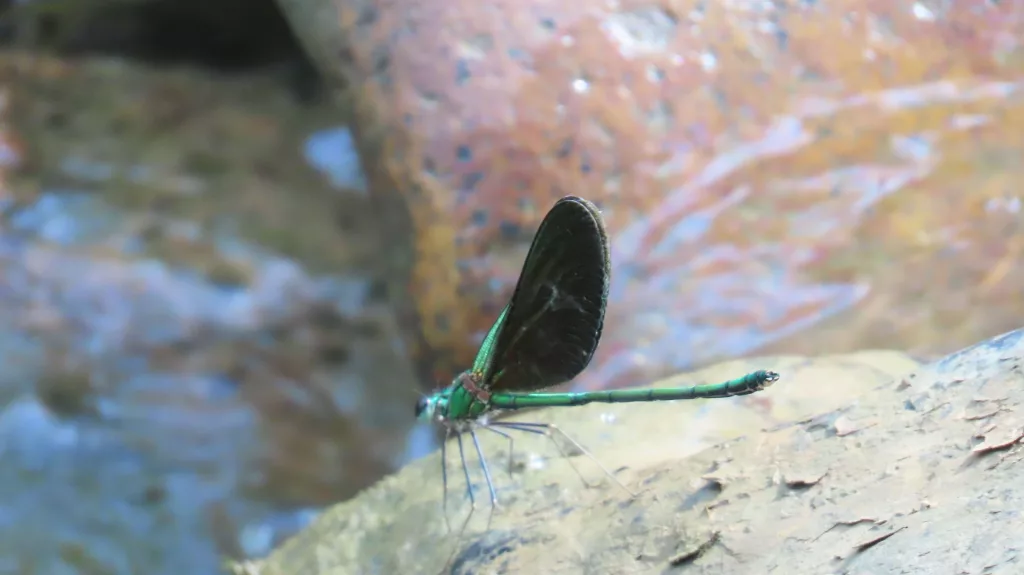
A Natural Bioindicator
Their dependence on both aquatic and terrestrial habitats makes dragonflies bioindicators—organisms that can help reveal environmental conditions. Changes in the abundance and diversity of dragonfly species can signal changes in habitat quality.
The greater the diversity of dragonflies found in an area, the stronger the indication that the aquatic ecosystem is capable of supporting a wide range of organisms.
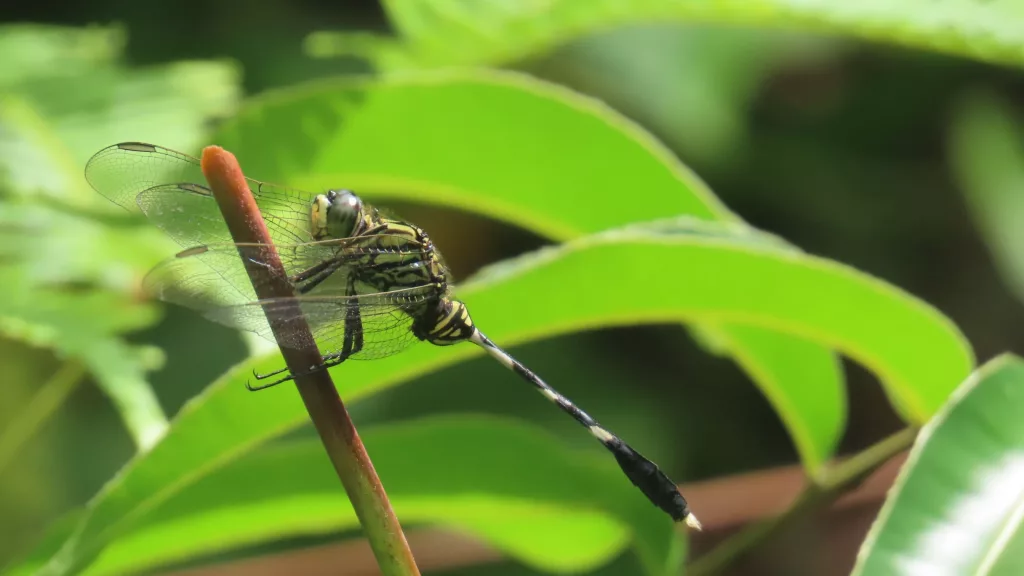
Part of the Food Chain
Dragonflies also contribute to maintaining ecosystem balance. Their larvae help control aquatic organisms, including mosquito larvae, while adult dragonflies prey on a variety of insects. At the same time, dragonflies serve as a food source for fish, birds, frogs, reptiles and bats.
As a result, a decline in dragonfly populations can affect the balance of the food chain.
Protecting Habitats, Sustaining Ecosystems
Land-use change, water pollution, excessive pesticide use, and shifts in rainfall patterns and temperature can threaten dragonfly populations. Maintaining water quality, protecting wetlands, preserving vegetation along riverbanks and restoring habitats are important measures for supporting their survival.
In river rehabilitation and the reclamation of former mining areas, dragonfly abundance and diversity can serve as one of the indicators of ecosystem recovery.
Ultimately, dragonflies remind us that environmental health can be reflected in the smallest creatures within an ecosystem. Protecting dragonfly habitats therefore also means safeguarding water quality, ecosystem balance and the many forms of life that depend on them.