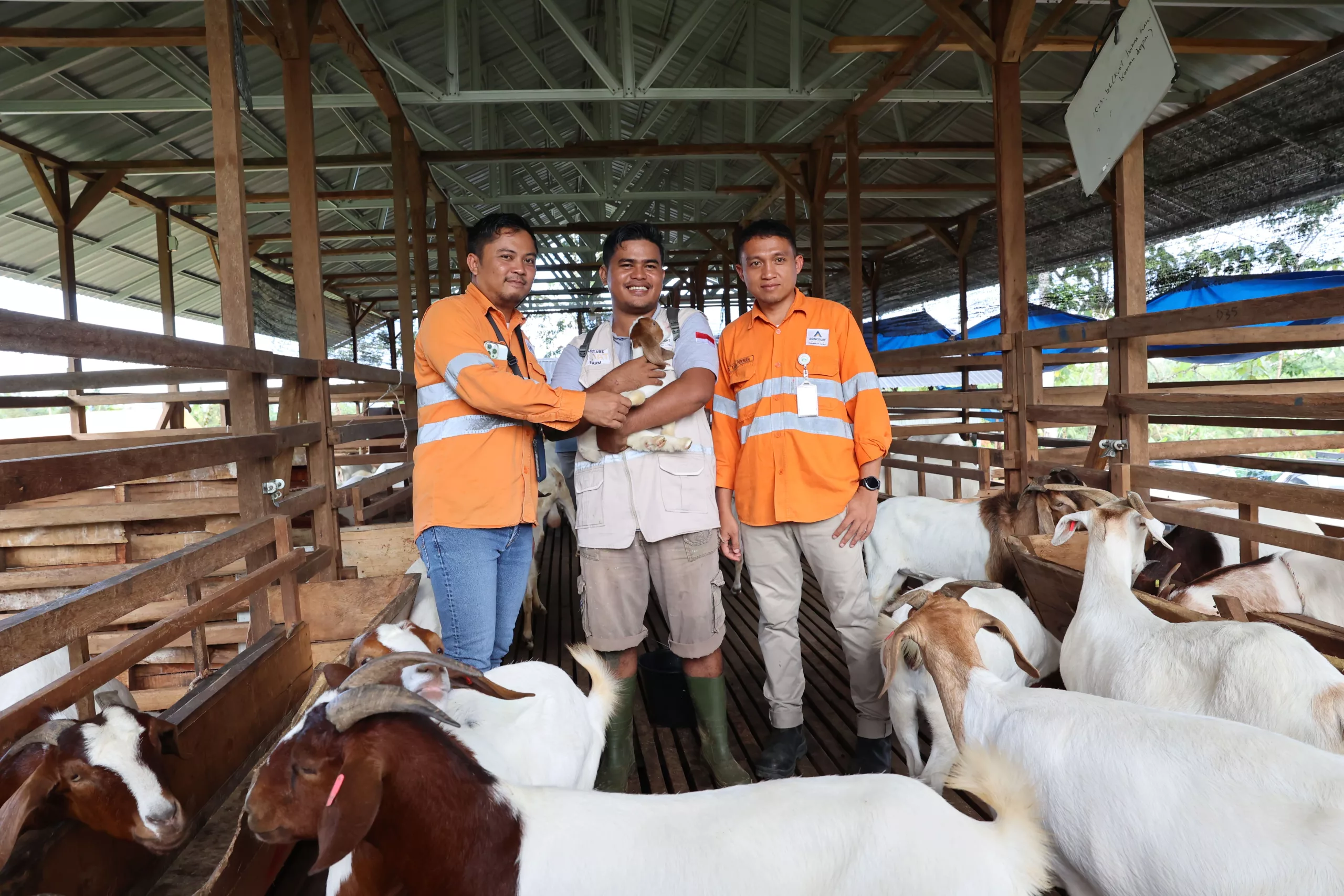
Community empowerment is not solely focused on enhancing skills, but also on creating sustainable economic opportunities. Through the Martabe Social Enterprise programme, Agincourt Resources continues to promote the development of local potential by introducing various initiatives designed to provide long-term benefits for surrounding communities. Two of these initiatives are Martabe Goat Farm and Martabe Chicken Farm, which operate in the livestock sector.
These programmes have been developed as an effort to strengthen the local economy while creating alternative livelihoods based on regional potential. By harnessing opportunities available in South Tapanuli Regency, both programmes are expected to generate broader economic and social impacts for local communities.
Developing the Potential of Goat Farming in South Tapanuli
Goat farming in South Tapanuli Regency presents considerable potential for further development. Through the application of appropriate farming methods, capacity building for livestock farmers, and support from various stakeholders, the goat farming sector can become a highly promising source of economic growth.
Recognising this potential, Agincourt Resources established Martabe Goat Farm as an initiative to develop meat goat farming in the Batang Toru area. The programme serves as a solution to meet meat supply demands while also encouraging the growth of a livestock commodity with high economic value.
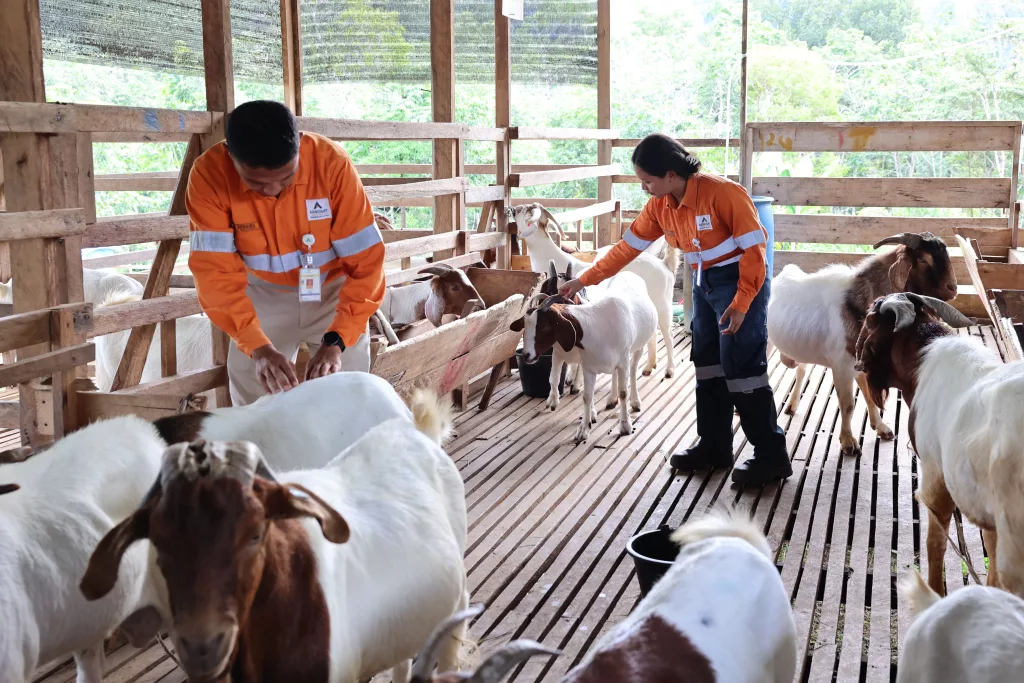
Martabe Goat Farm focuses on the development of Boerka goats, a crossbreed between Boer goats and local Kacang goats. This breed is recognised for its faster growth rate, strong adaptability to tropical environments, and greater meat production potential compared with local goat breeds. Boerka goats also have meat productivity approximately two to three times higher than local goats, making them a promising livestock commodity with significant development prospects.
As part of its implementation, Martabe Goat Farm utilises superior breeding stock sourced from the Small Ruminant Standard Instrument Testing Centre (LPSI RK) Sei Putih, Deli Serdang Regency, consisting of eight male goats and eighty female goats.
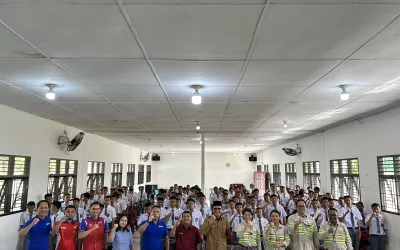
The programme also involves a partnership with SMKN 1 Batang Toru through mentoring and training for 14 students as part of efforts to strengthen capacity and introduce modern livestock farming practices. In addition, the operational management of Martabe Goat Farm is carried out by four local young people who are responsible for feed management, pen maintenance, breeding activities, and livestock health.
Through this programme, it is hoped that new economic opportunities will be created in South Tapanuli, providing alternative commodities with long-term prospects while supporting livelihoods based on local potential.
Responding to Opportunities in Local Egg Production
In addition to goat farming, Agincourt Resources has also established Martabe Chicken Farm as an initiative to strengthen the laying hen farming sector in South Tapanuli.
Martabe Chicken Farm is managed by three local young people in partnership with SMKN 1 Batang Toru. The programme also collaborates with maize farmers as livestock feed suppliers through a 20-hectare farming area. Although the programme was affected by flooding, development efforts have continued, including potential land rehabilitation for maize cultivation in Aek Sirara, Sumuran Village, covering approximately 10 hectares and involving 13 farmers.
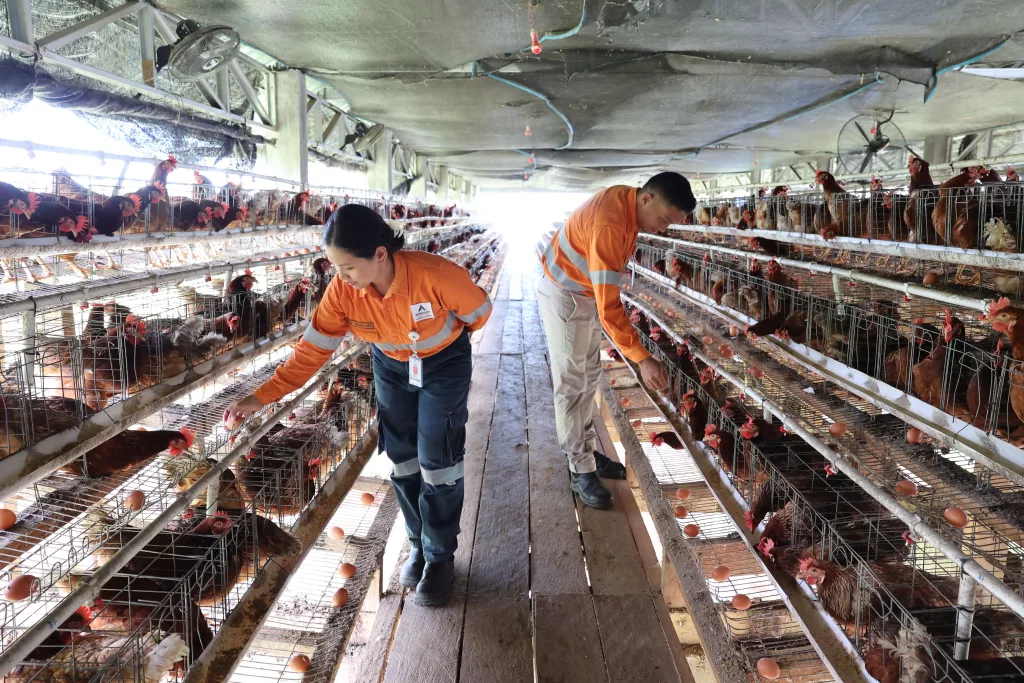
To date, Martabe Chicken Farm has produced around 1,100 eggs per day, representing an important first step towards supporting increased local egg production in South Tapanuli.
Martabe Goat Farm and Martabe Chicken Farm form part of Agincourt Resources’ commitment to promoting sustainable community empowerment. These programmes not only create new business opportunities but also provide space for younger generations to enhance their skills, broaden their knowledge, and build economic independence based on local resources.