The presence of birds can serve as an important indicator of ecosystem health. In Agincourt Resources’ conservation areas, the Biodiversity Team of the Biodiversity and Environmental Strategic Development (BESD) Department regularly conducts monitoring activities to document the diversity of bird species that use these areas for feeding, resting and breeding.
This monitoring not only enriches biodiversity data but also provides valuable insights into habitat conditions and how sustainable environmental management efforts can support the continued presence of wildlife.
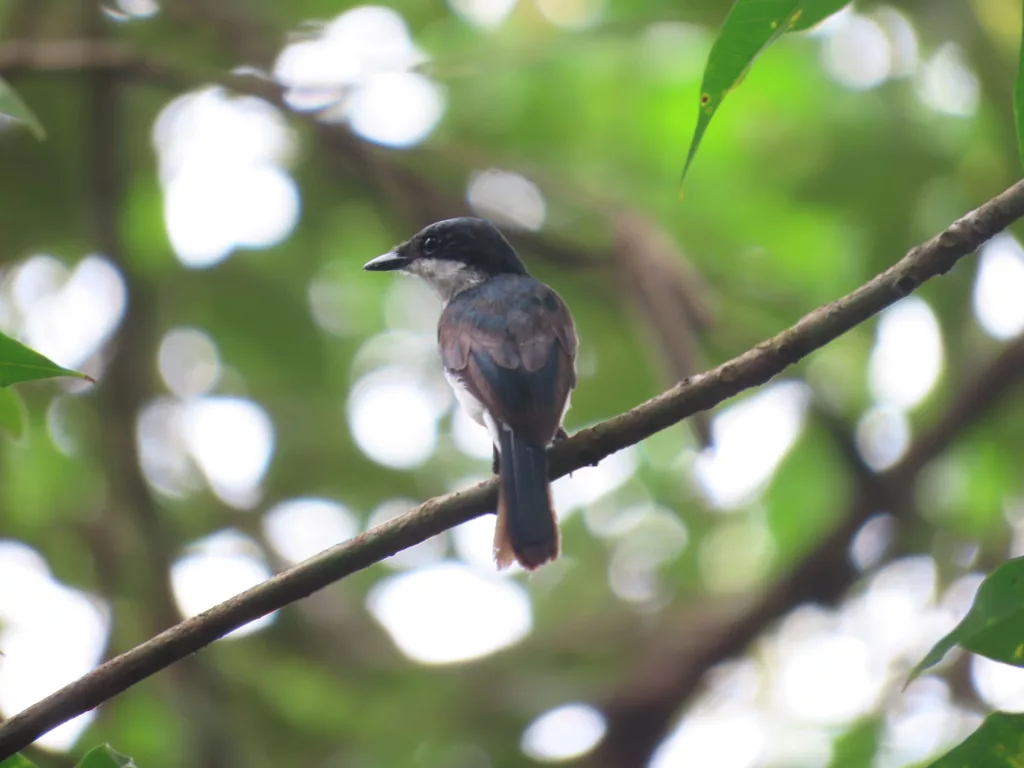
The birds observed display a variety of feeding habits, ranging from fruit-eating or frugivorous birds and insect-eating or insectivorous birds to nectar-feeding birds. Each group plays an important ecological role. Frugivorous birds help disperse seeds, supporting natural forest regeneration, while insectivorous birds contribute to controlling insect populations and maintaining ecosystem balance. Nectar-feeding birds also play an important role as pollinators of various flowering plants.
Documenting Behaviour in Natural Habitats
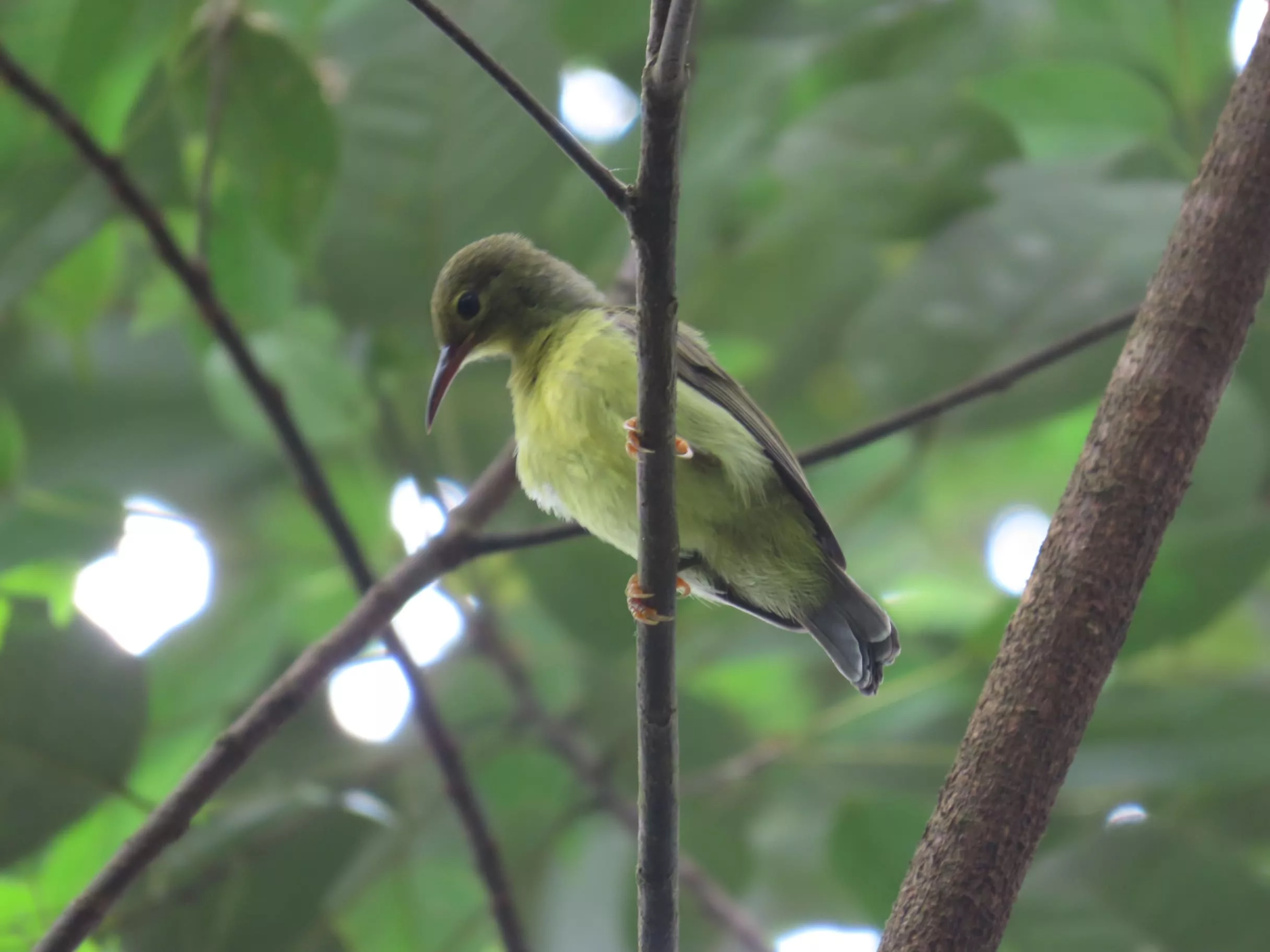
Visual documentation provides a closer look at the natural behaviour of birds, including while they are perching or foraging. Perching positions can reflect how birds observe their surroundings, whether to detect predators or locate food sources. Meanwhile, foraging activities provide valuable information about their feeding preferences and interactions with other components of the ecosystem, such as plants and insects.
The diversity of birds found in the conservation areas also reflects habitat conditions that continue to provide sufficient and varied resources. Well-maintained vegetation, water availability and minimal disturbance are among the key factors supporting the presence of various bird species. These conditions highlight the importance of conservation efforts that not only protect flora but also support the continued presence of fauna, including avifauna that are sensitive to environmental change.
Understanding More, Inspiring Greater Awareness
Bird monitoring also has educational value. As wildlife that are relatively easy to observe and visually appealing, birds can serve as an effective medium for introducing the richness of biodiversity while raising awareness of the importance of conservation. Photographs accompanied by informative narratives can help communities gain a closer understanding of biodiversity and the importance of maintaining the balance of nature.
Bird monitoring and documentation in conservation areas are more than simply record-keeping activities; they form part of ongoing efforts to understand ecosystem dynamics over time. Each piece of data and documentation collected provides valuable information about the relationship between habitats and faunal diversity, while reminding us of the importance of maintaining harmony between people and nature.