
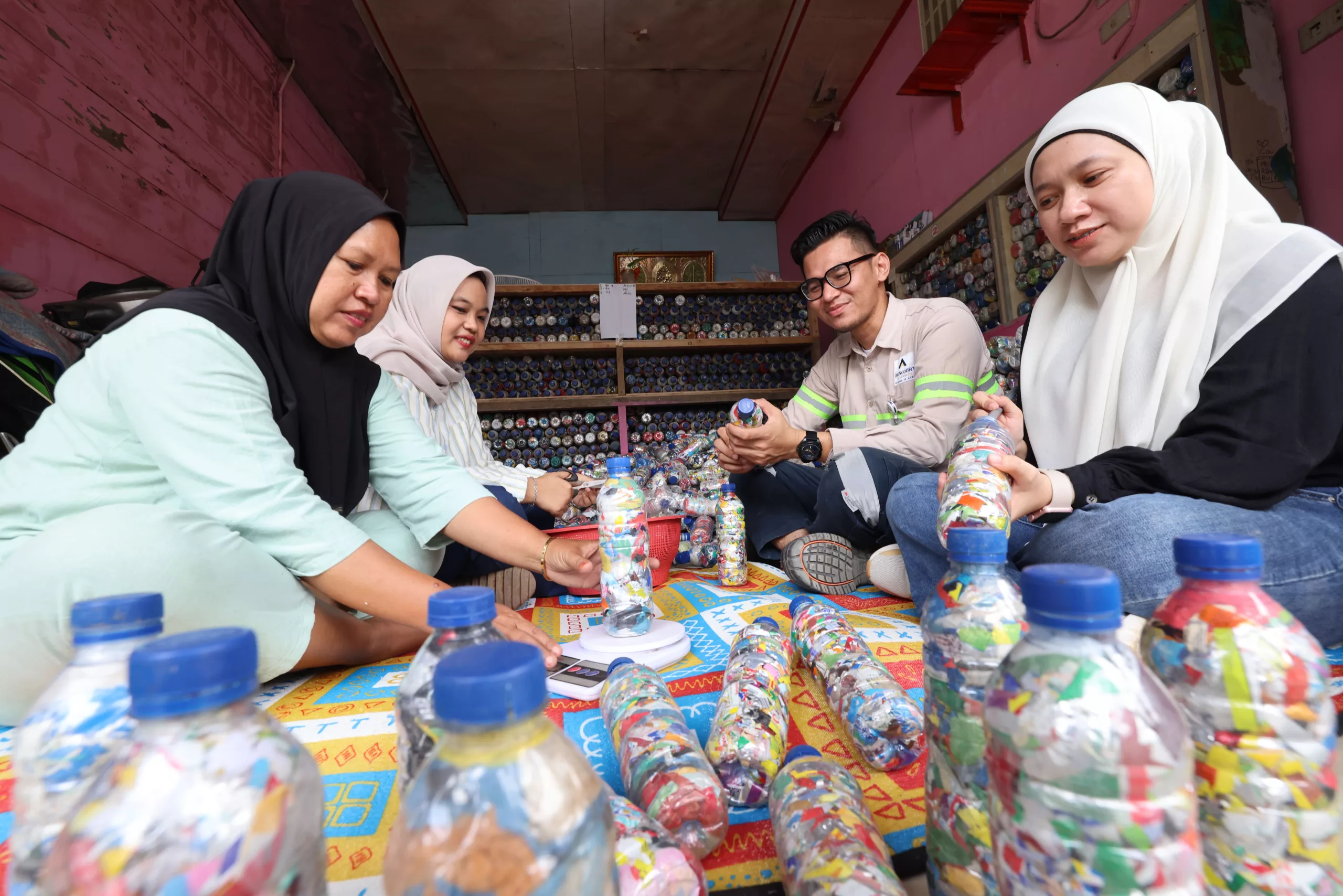
Climate change has become one of the most pressing global challenges, requiring collective action from all stakeholders to take meaningful and measurable action. One of the largest contributors to rising greenhouse gas emissions stems from production and consumption patterns that are still largely dominated by the linear economic model, where natural resources are extracted, processed into products, used, and ultimately discarded as waste. This approach not only accelerates natural resource depletion but also increases environmental pressure and contributes to the growing impact of climate change.
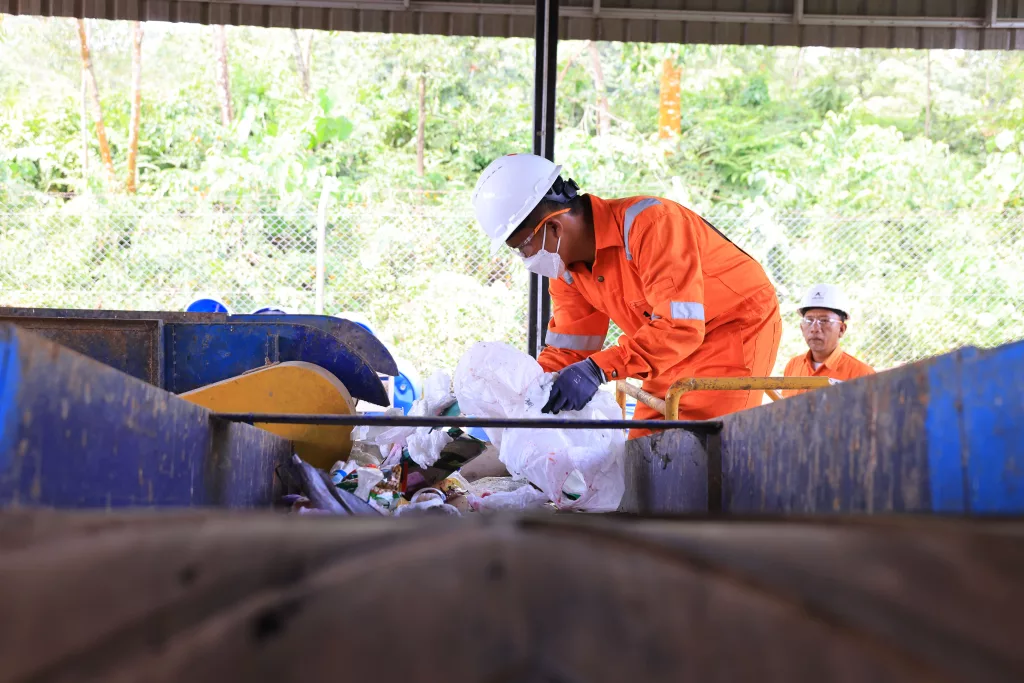
Amid these challenges, the concept of the circular economy has emerged as an approach that encourages a more responsible and sustainable way of managing resources. Unlike the conventional take-make-dispose economic model, a circular economy seeks to extend the lifecycle of products and materials, minimise waste generation, and reduce dependence on the extraction of new raw materials.
In simple terms, the circular economy is built upon three main principles: eliminating waste from the design stage, extending the use cycle of products and materials, and supporting the regeneration of natural systems. This approach enables industries to reuse materials that were previously considered waste, reducing resource consumption while lowering carbon emissions generated throughout production processes.
The implementation of a circular economy also plays an important role in addressing climate change. When materials are reused, the need for extracting new natural resources can be significantly reduced. At the same time, the volume of waste sent to landfill decreases, helping to minimise greenhouse gas emissions generated from production, transportation, and waste management activities.
Despite offering significant benefits, the transition towards a circular economy still faces several challenges, ranging from limited recycling infrastructure and society’s dependence on single-use products to the need for a fundamental shift in consumption behaviour. For this reason, the successful implementation of a circular economy requires collaboration from all parties, including governments through stronger regulations, industries through sustainable product innovation, and communities through everyday habits such as sorting waste, reusing materials, and reducing household waste generation.
In the spirit of World Environment Day 2026 under the theme Working for Climate, the circular economy reminds us that environmental action does not always begin with large-scale initiatives. Every effort to reduce waste, reuse materials, and manage resources responsibly represents a meaningful contribution towards protecting the planet.
Working for climate means understanding that the future of the environment depends on how we manage resources today. Through circular economy principles, every small action taken collectively can become an important step towards creating a more sustainable future for generations to come.